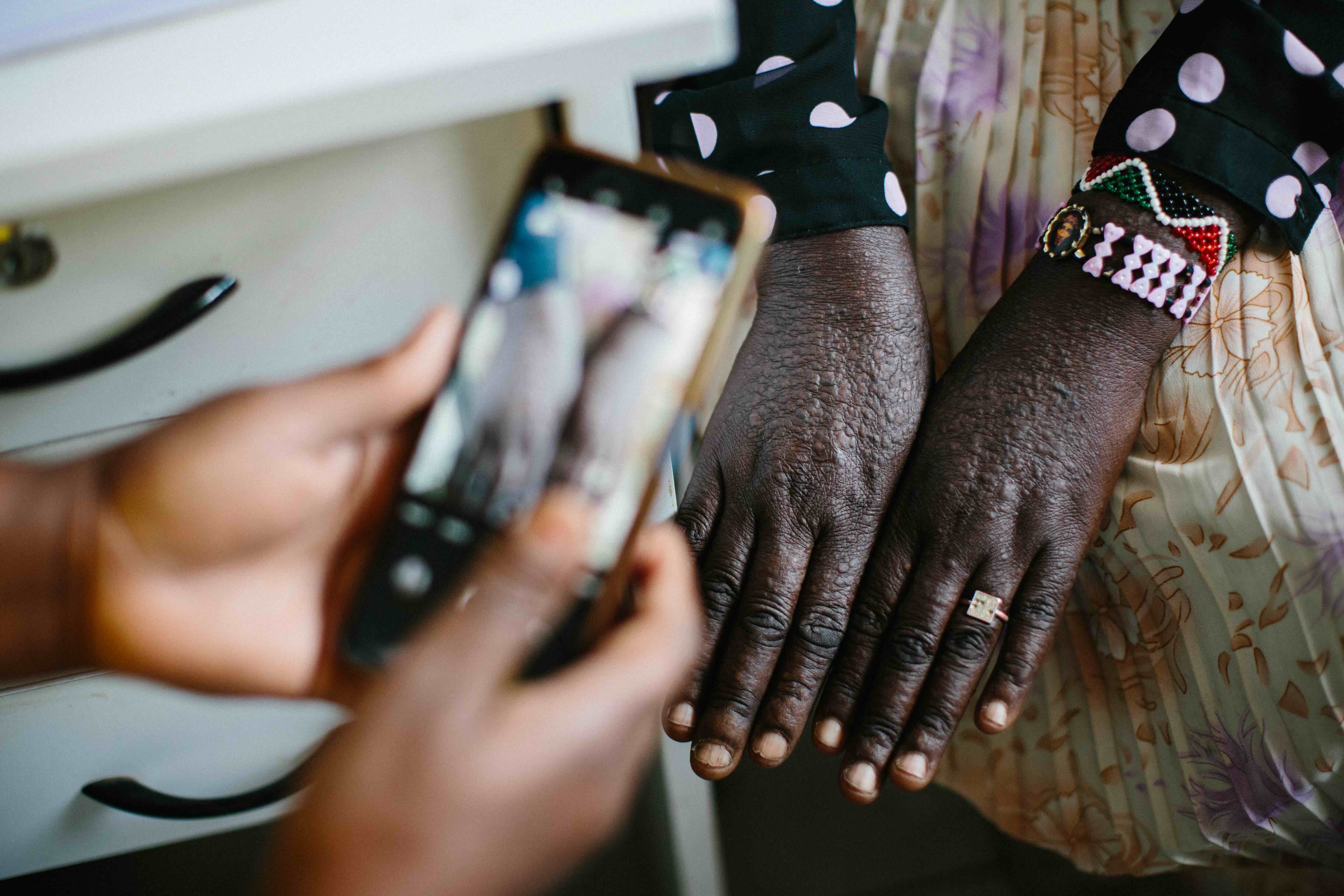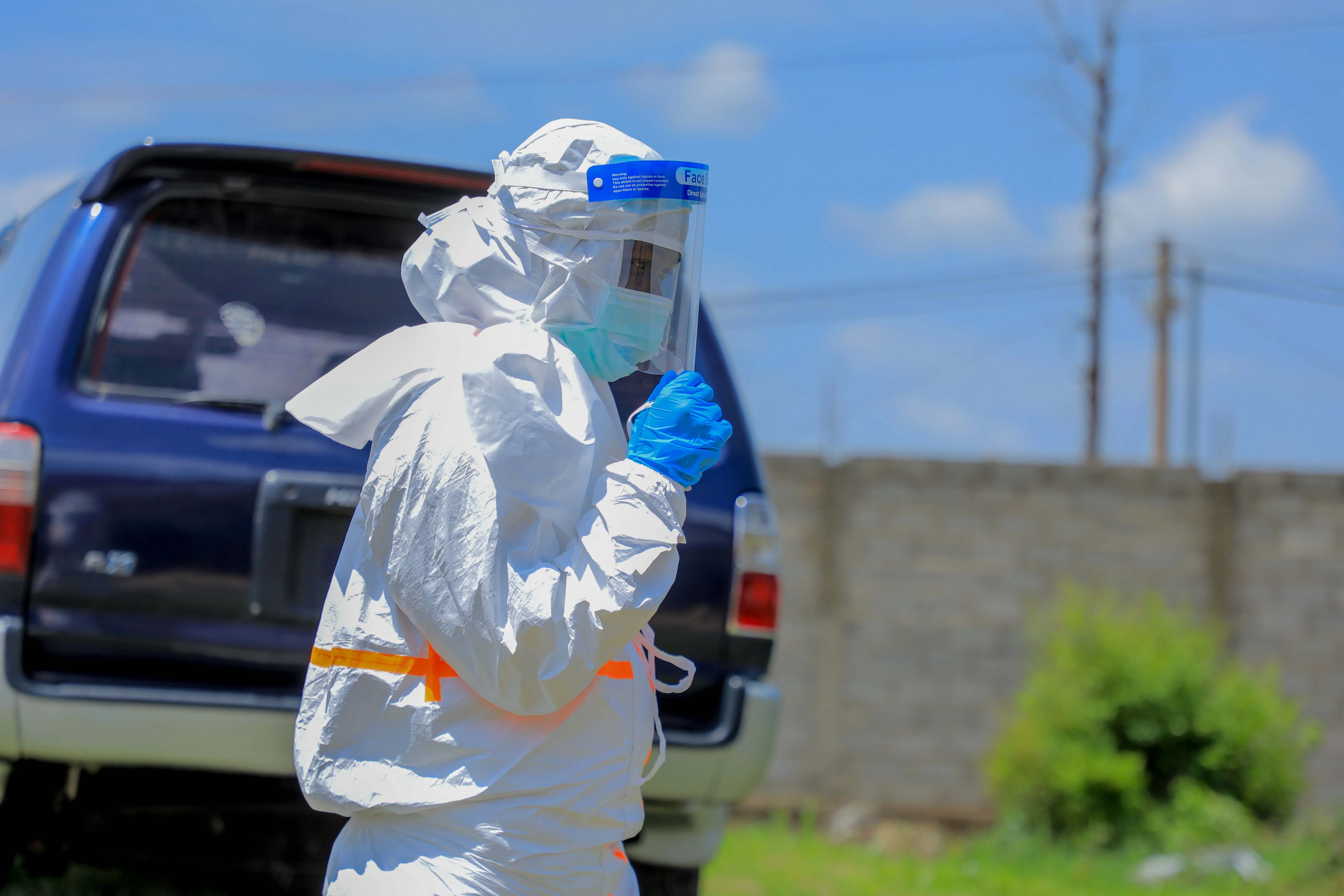
On May 15 a laboratory in Kinshasa, the Democratic Republic of Congo, reported an Ebola virus outbreak in conflict-affected Ituri Province. That same day the World Health Organization’s AI-enabled warning system flagged another urgent signal - the probability of disease spillover into neighboring Uganda stood at 80 percent.
Laboratory testing in Uganda then confirmed two further cases and one death, setting in motion a chain of heightened infection control. To stem the further spread of the virus, the Ugandan government postponed the country’s annual Martyr’s Day celebration for fear that travelers would accelerate the spread of the virus.
The signal had proved its strength.
Signal to Action
WHO’s emergency health response escalated. Within a day of detection, WHO had declared the Bundibugyo Ebola outbreak a public health emergency of international concern. The WHO hub in Nairobi rapidly secured transport corridors and dispatched diagnostics and staff to affected zones, issued warnings, status updates and coordinated medical teams. The emergency health system in Africa is primed for rapid response. It is currently dealing with more than 90 outbreaks across the continent. Dr. Marie Roseline Belizaire, WHO’s Emergency Director for Africa has likened the surge capacity needed during these health emergencies to a Formula 1 tyre change - the equivalent effort of 20 people working together to achieve a 2.5 second turnaround.
But epidemic responses, however speedy, are only as timely as the signals they receive. Minimizing the interval between symptom onset and laboratory confirmation is critical because earlier diagnosis enables faster containment, reducing preventable illness and death. Delays cost lives.
WHO’s AI-powered Preparedness Data Exchange (PDX) platform is revolutionizing signalling. It is an end to end intelligence system that fuses several live data streams and draws on hundreds of sources rather than relying solely on case reports from health authorities. These include: country data, satellite climate and environmental data, animal health data which is key to detecting zoonotic spillover as well as WHO’s early warning alert and response system (EWARS). It works by continuously synthesizing known risk factors for a wide range of infectious diseases. In the case of Ebola, this includes rates of bushmeat trading, deforestation indices, human encroachment on wildlife habitat, population mobility, and historical spillover patterns. To be clear, PDX cannot diagnose an outbreak. To verify and identify a virus strain, time-honored, gold-standard laboratory testing is still needed.
Risk Anticipation Saves Lives
PDX is incredibly efficient at sifting thousands of data points to flag warning signals earlier, giving health planners the tools to accurately anticipate risk. It reduces the time from signal to action. This means surveillance, testing and surge staffing can be primed and pointed in the right direction, reducing the duration of the ‘silent transmission’ period where a disease spreads before being detected.
WHO AFRO, through its regional emergency hubs, has the vision and the ambition to deploy PDX across all 47 member states on the continent, a One Health approach, into a single risk picture with named drivers. The data will inform readiness measures such as pre-positioning supplies, deploying rapid response teams or reinforcing laboratory capacity. Its main constraint to scale-up is capacity - financing, AI engineering skills and infrastructure in the form of Cloud data storage. To mobilize these resources, collaboration is vital, as WHO’s Dr Belizaire told us recently, “The scale of emergencies we have now, not one single institution can respond. We cannot do the job alone, we need a whole society approach.”
As part of a comprehensive emergency response, PDX will help save lives because reducing the time from signal to action can mean the difference between being able to contain a localized outbreak and having to manage the spread of a much more deadly epidemic.
The WHO Foundation’s Support for Health Emergencies
The WHO Foundation raises funding for WHO’s health emergencies response and preparedness through both individual and institutional donations. We convene the Health Emergencies Alliance of corporate and philanthropic organizations who provide funding and expertise for the WHO Health Emergencies Programme.
For more information about the Health Emergencies Alliance contact Silvia Rossini or Noemi Noveck at the WHO Foundation