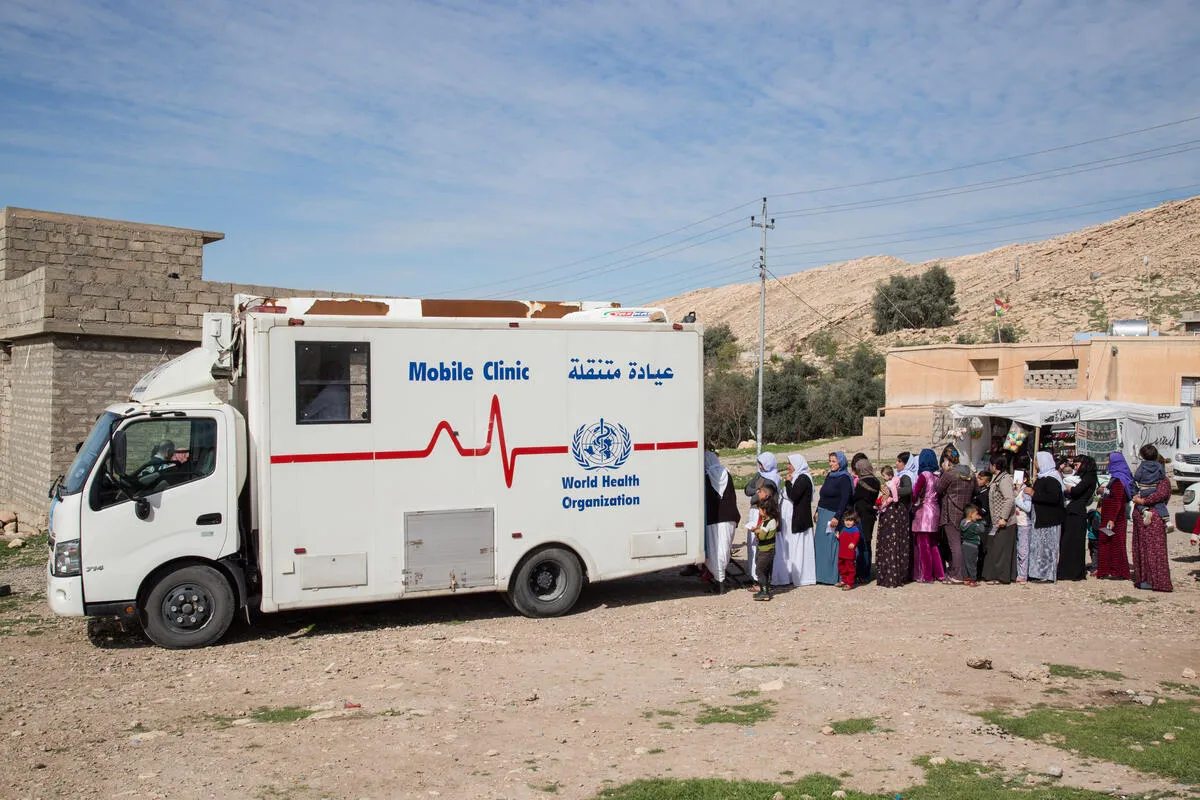
Mobile clinics in a crisis.
Because a community without a hospital still deserves a doctor.
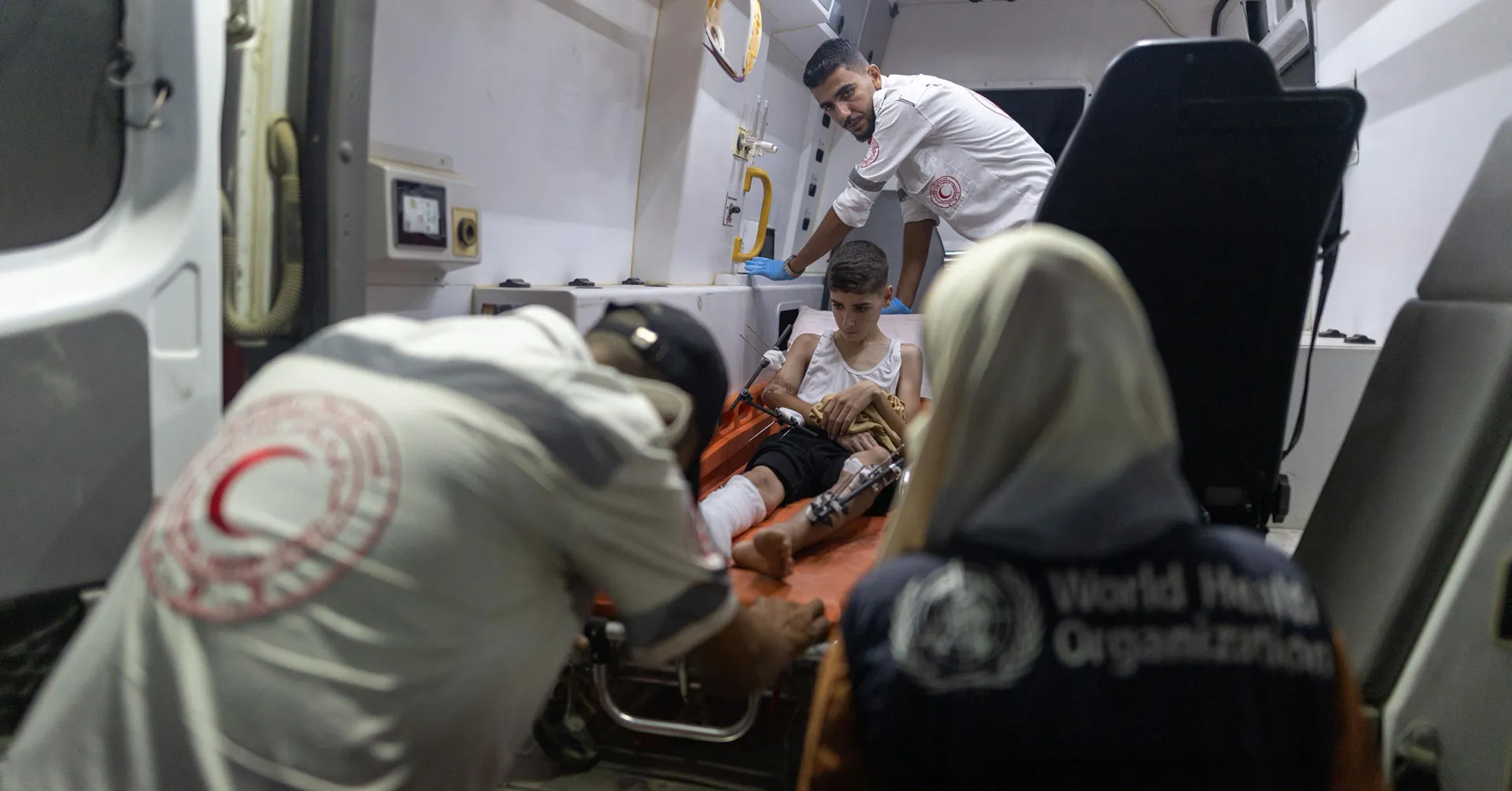
When a crisis hits, the clinic is often the first to close. In 2025, WHO deployed 1,423 mobile clinics and delivered 69.9 million primary health care consultations that reached communities that have nowhere else to go.
Give monthly. Keep care moving.
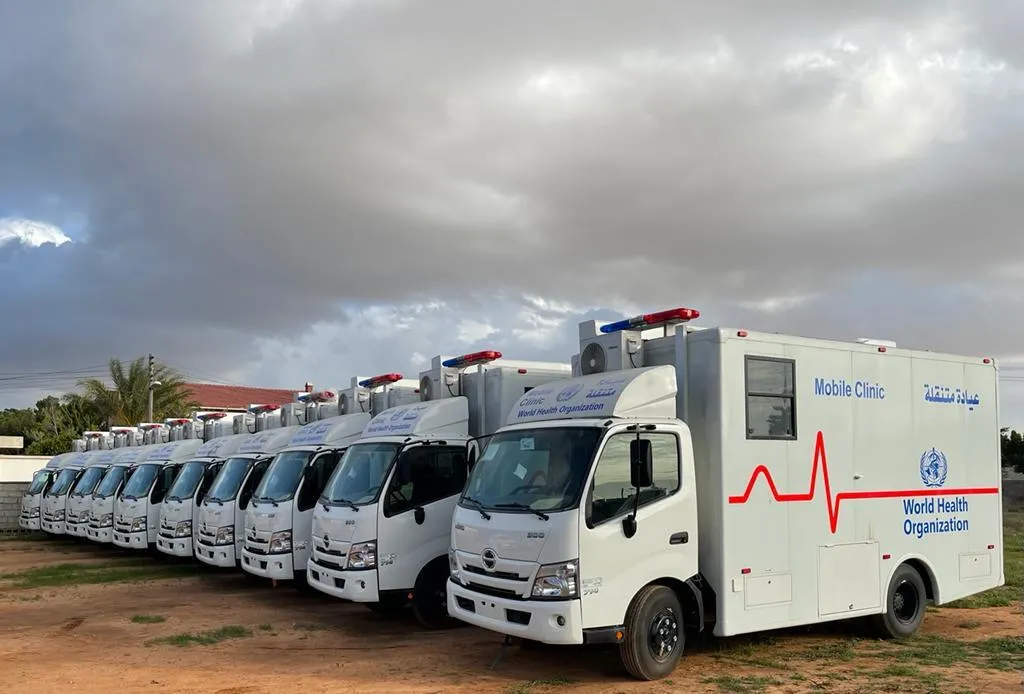
When the clinic closes, WHO puts one on wheels.
One vehicle. The equivalent of a small health centre for communities that have nowhere else to go. Here is what it carries:
Blood pressure monitors, stethoscopes and glucose meters for clinical assessment in the field.
Antibiotics, antiparasitics, pain management and emergency treatments from the WHO essential medicines list.
Dressings, sutures, antiseptics and surgical gloves for trauma care and injury management.
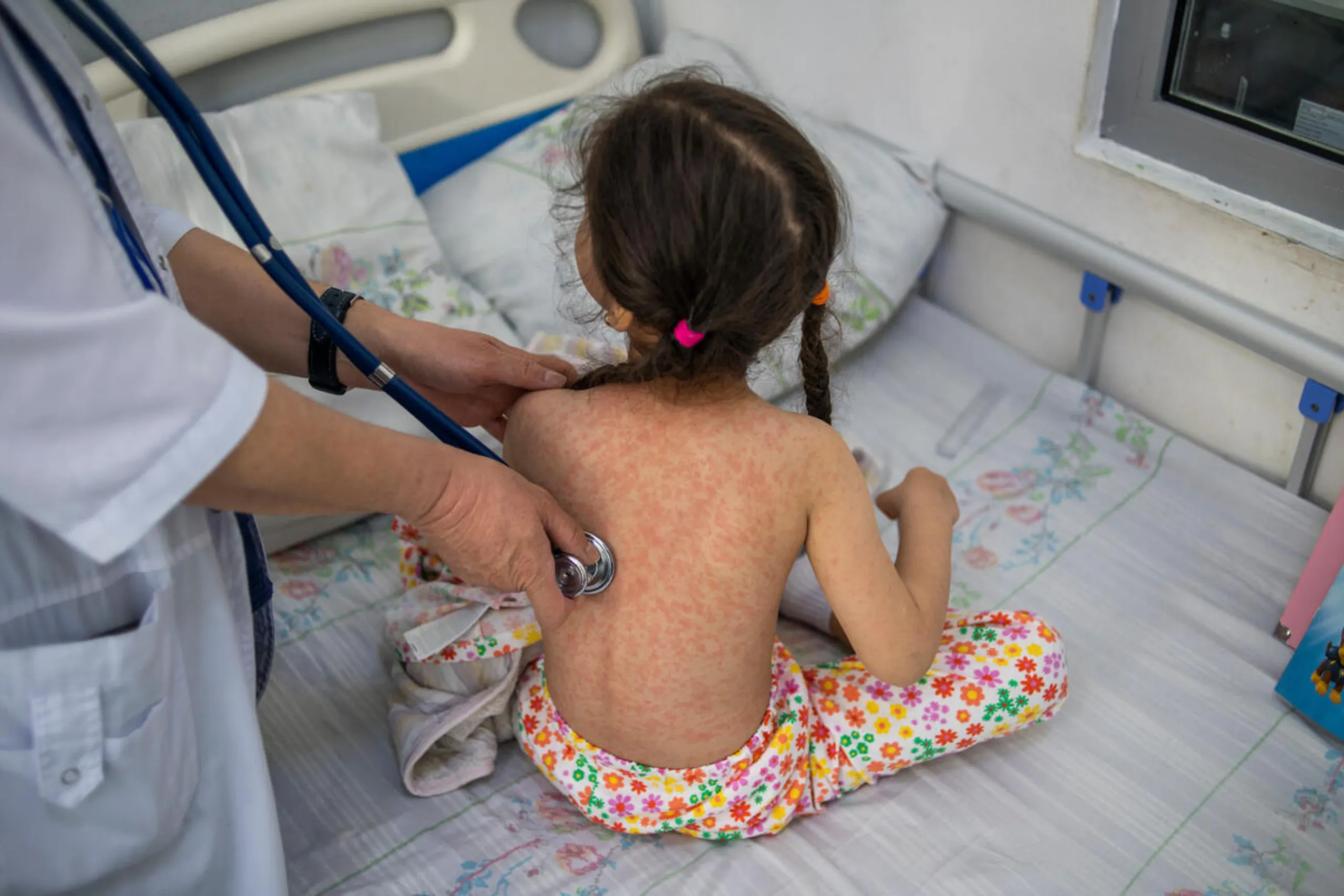
Cold chain equipment, vaccines, syringes and safe disposal boxes to maintain immunisation in displacement settings.
WHO's Response
Mobile clinics in emergencies are never the same twice but WHO’s presence is always consistent. These three emergencies show how the same capabilities adapt:
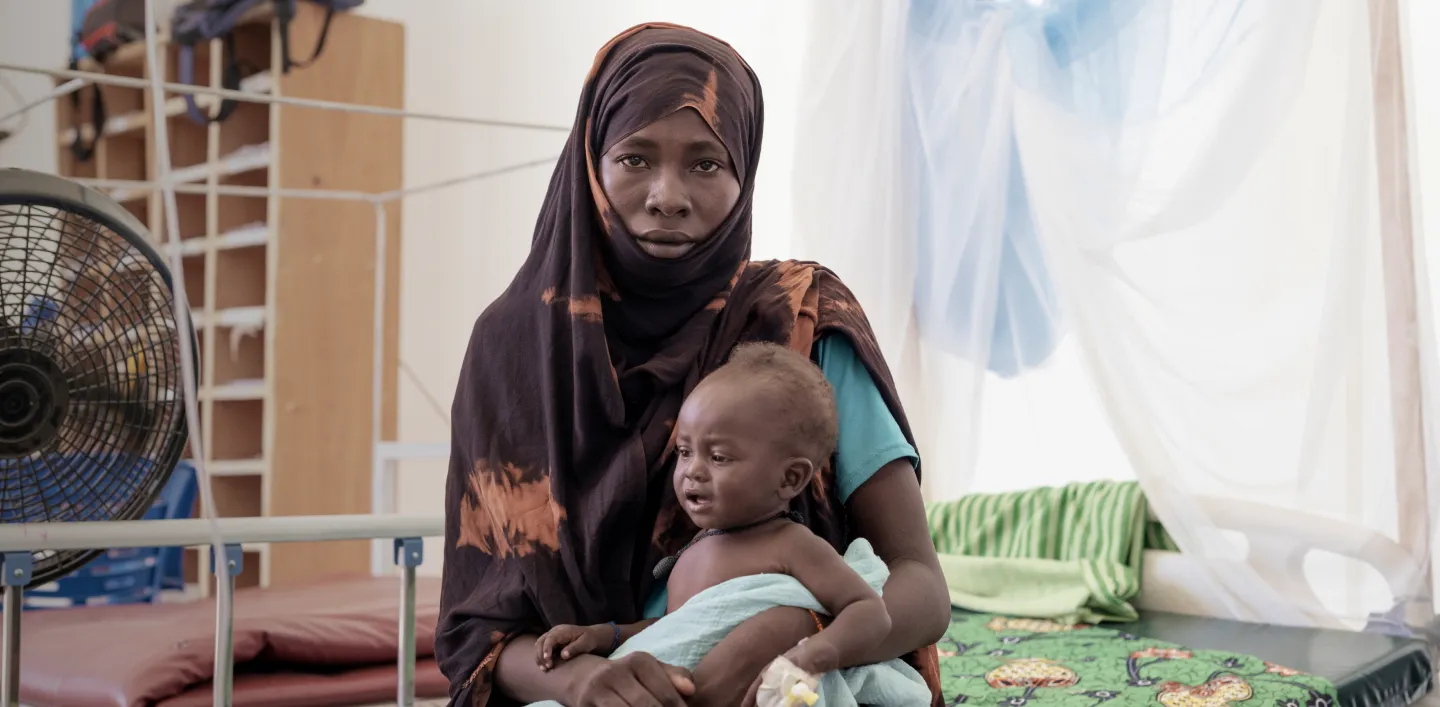
Since April 2023, WHO has delivered more than 3,378 metric tonnes of medicines, supported 20 mobile clinics and 87 rapid response teams, and reached over 1.8 million people. WHO has not left. In 2026, 33.7 million people still require assistance and 37% of health facilities remain non-functional
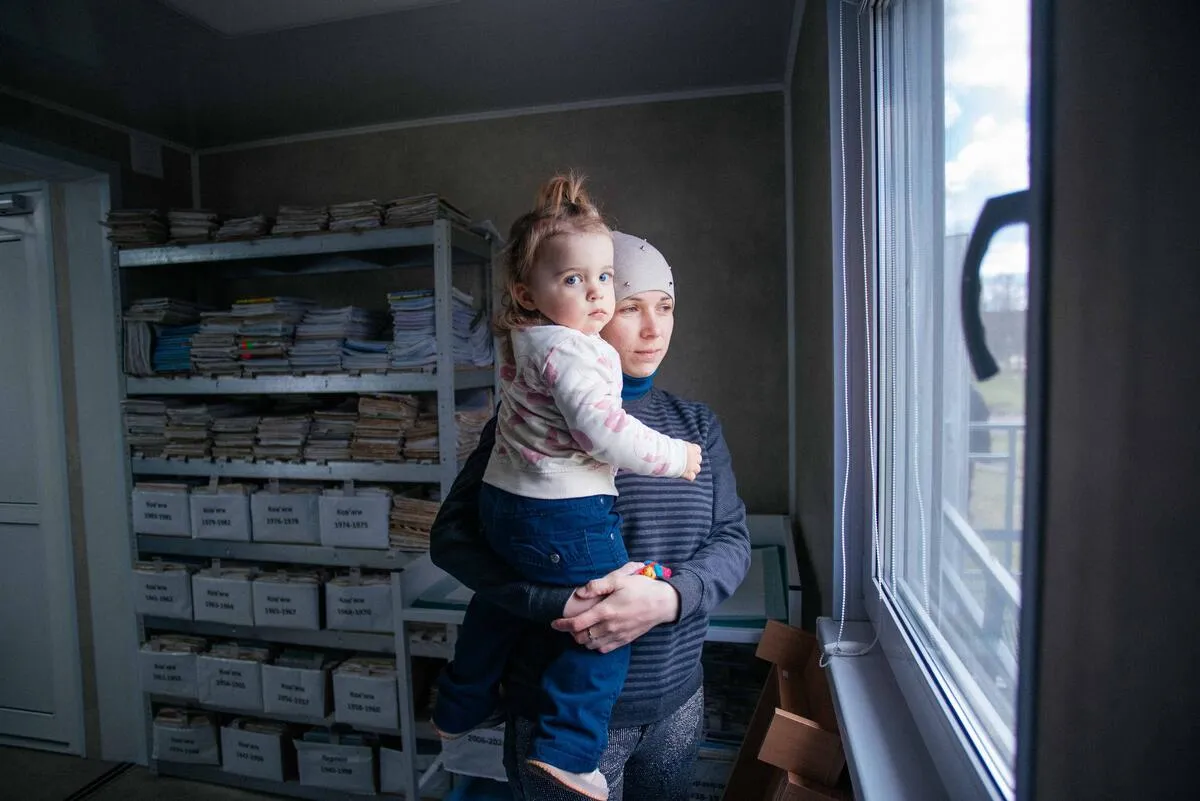
In 2025, WHO installed 19 new modular clinics in Ukraine’s most war-affected regions, bringing the total to 54 since the invasion began. They provide consultations, vaccinations and medicines in communities where fixed facilities no longer exist.
In Ma’arrat An Nu’man, where 90% of the city’s infrastructure remains damaged, the WHO-supported primary health centre reopened in May 2025. In its first week alone, it delivered over 1,800 consultations, managed 600 emergency cases and supported more than 300 women in the maternity unit.
In Ma'arrat An Nu'man, where 90% of the city's infrastructure remains damaged, the WHO-supported primary health centre reopened in May 2025. In its first week alone, the centre delivered over 1,800 consultations, managed 600 emergency cases and supported more than 300 women in the maternity unit. Source: WHO HEA 2026.
WHO’s Impact
Your generosity goes a long way, from mobile clinics in crisis zones to lifesaving vaccine drives in remote villages. Dive into the stories your support makes possible.
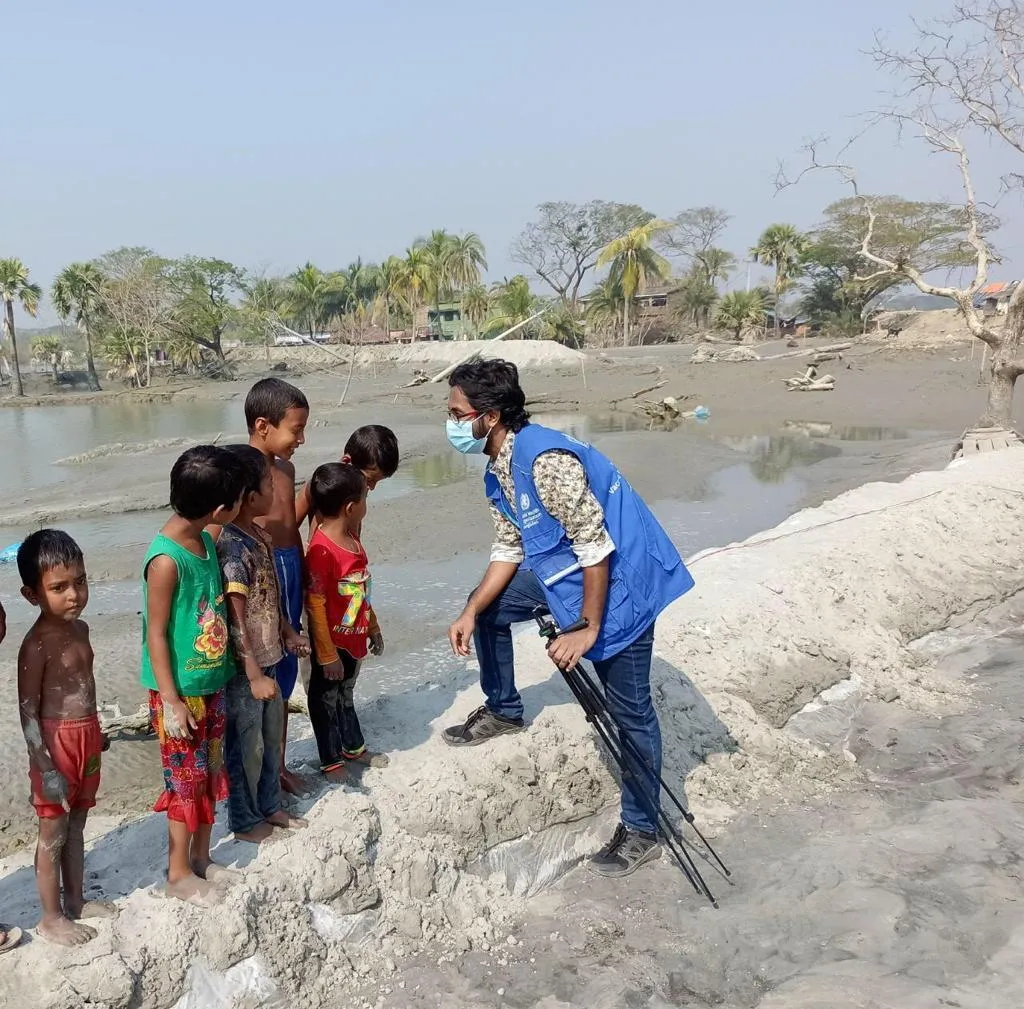
Before the Storm: WHO Prevents Health Emergencies
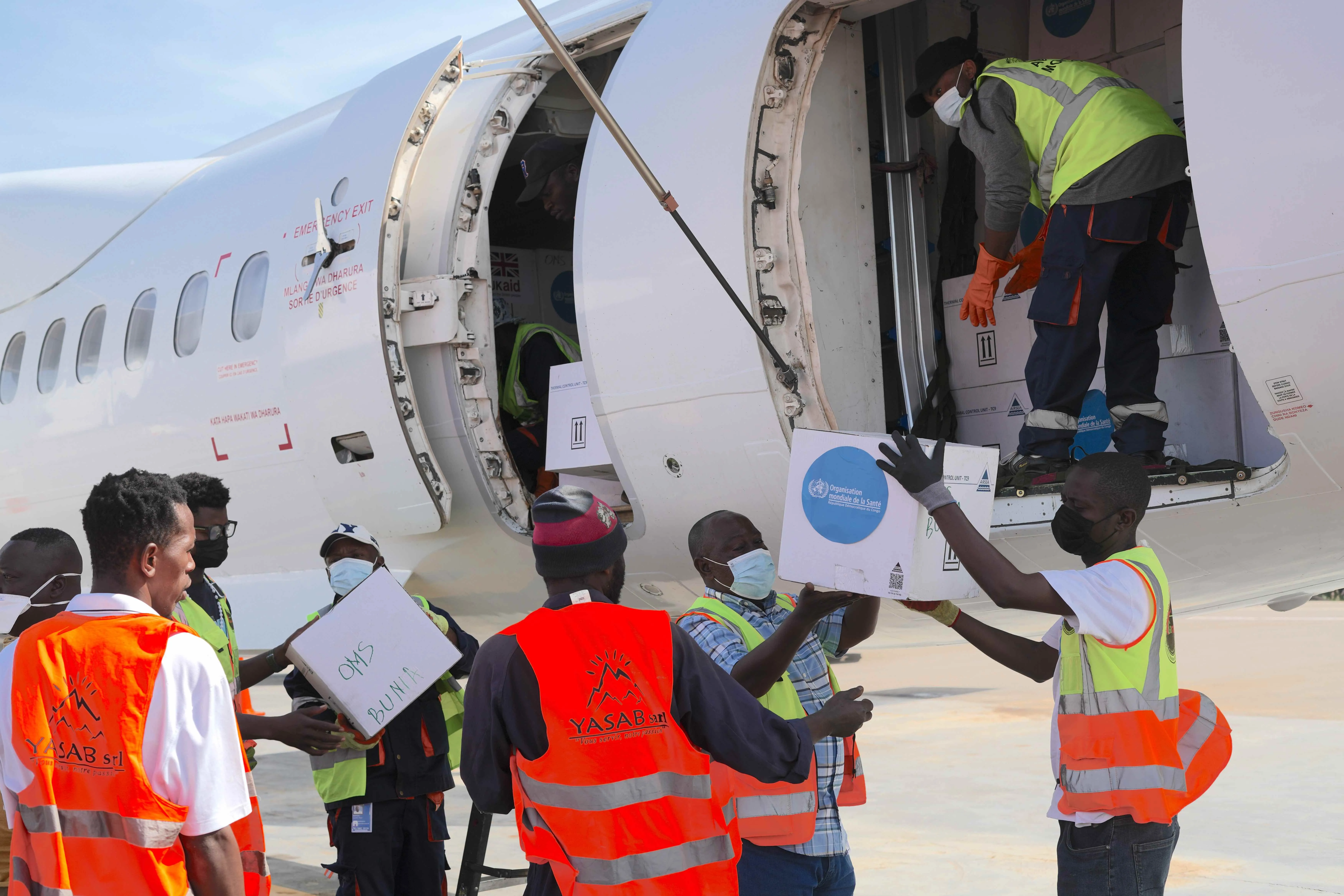
Prepare, Predict, Act: What the Ebola Outbreak Tells us About Emergency Preparedness
Ready to take action?
Your support makes a difference. Learn more about some of our focus areas.


Subscribe to our newsletter
Join our community to learn how your donations are changing people’s lives for the better.
By clicking Sign Up you're confirming that you agree with our Terms and Conditions.