DRC · Ebola
…trained teams, tests and supplies in place before an outbreak spreads.
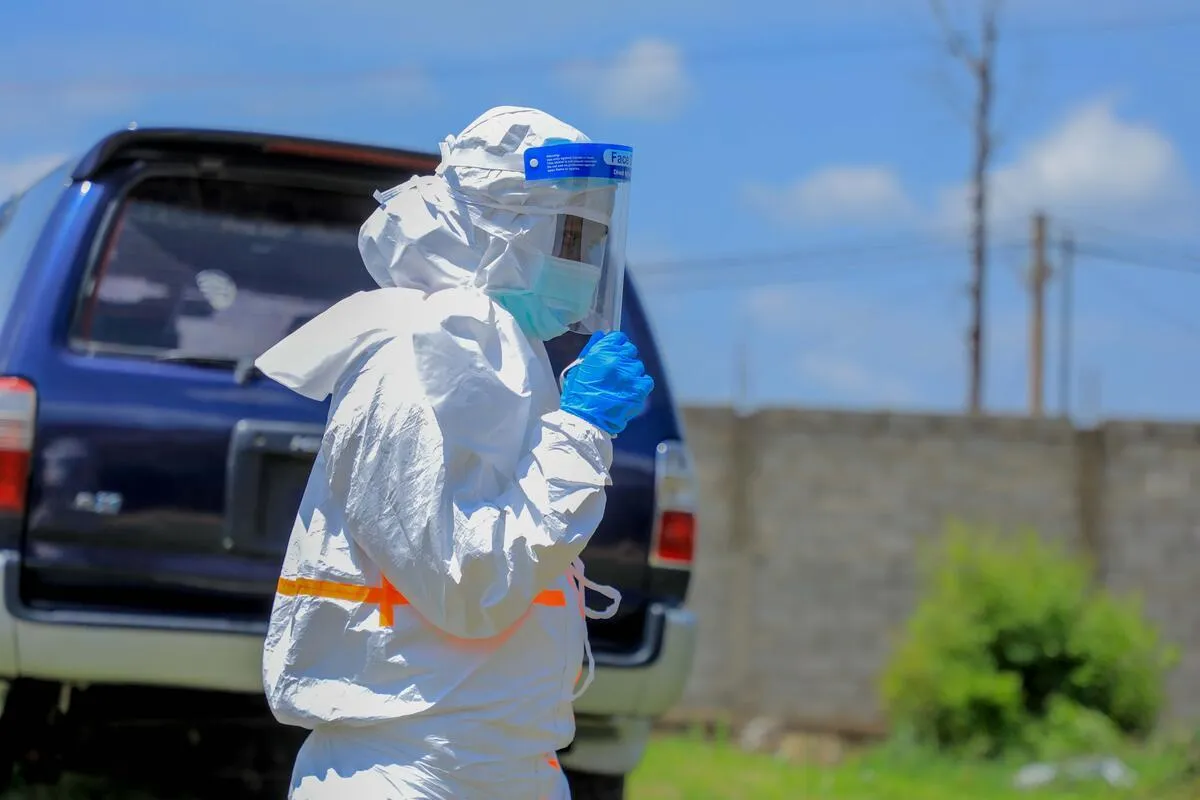
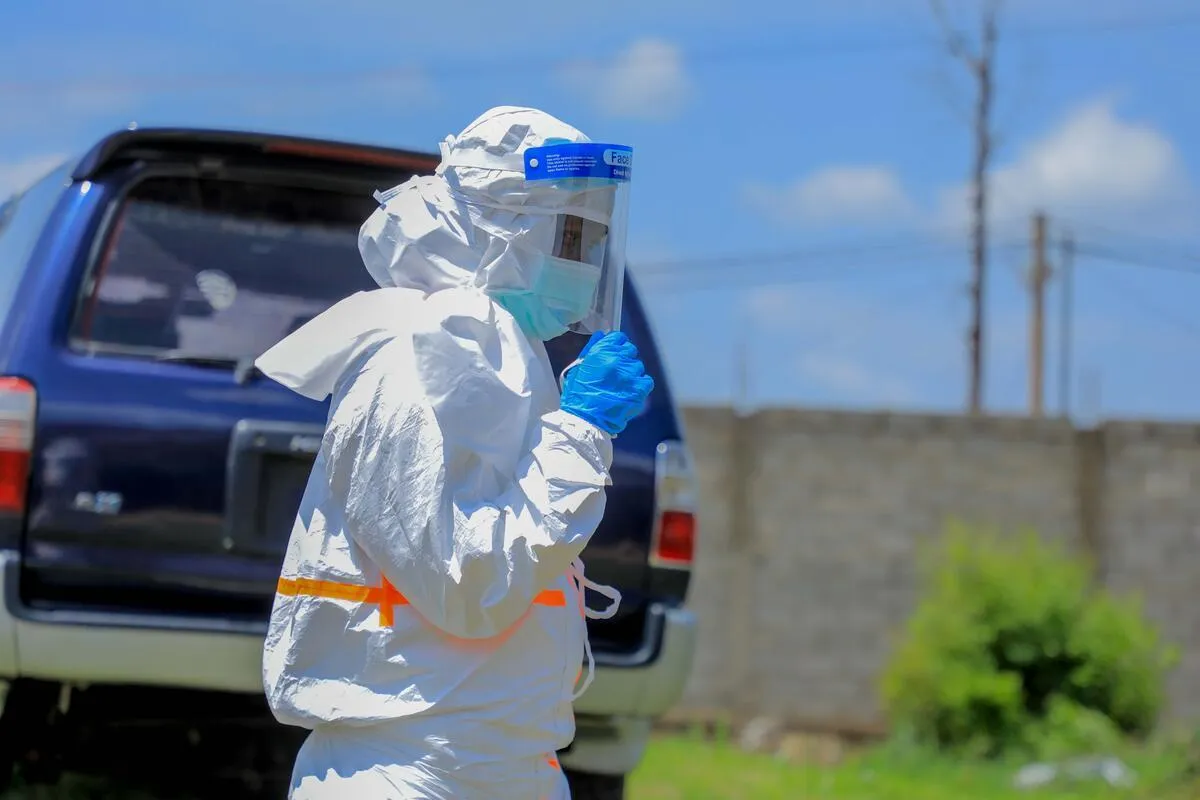
In 2025, a DRC Ebola outbreak was contained within six weeks, with more than 150 tonnes of supplies.
Source: WHO Health Emergencies 2025 annual report
People received urgent care from WHO Health Clusters
Primary health care consultations delivered in crisis-affected areas
Medical consultations delivered by WHO emergency medical teams
in support of
Behind every WHO emergency response is preparation. Here is what being ready means.
Crises are inevitable, but being READY for them is a choice. Here is what it looks like.
In 2025, a DRC Ebola outbreak was contained within six weeks, with more than 150 tonnes of supplies.
Source: WHO Health Emergencies 2025 annual report

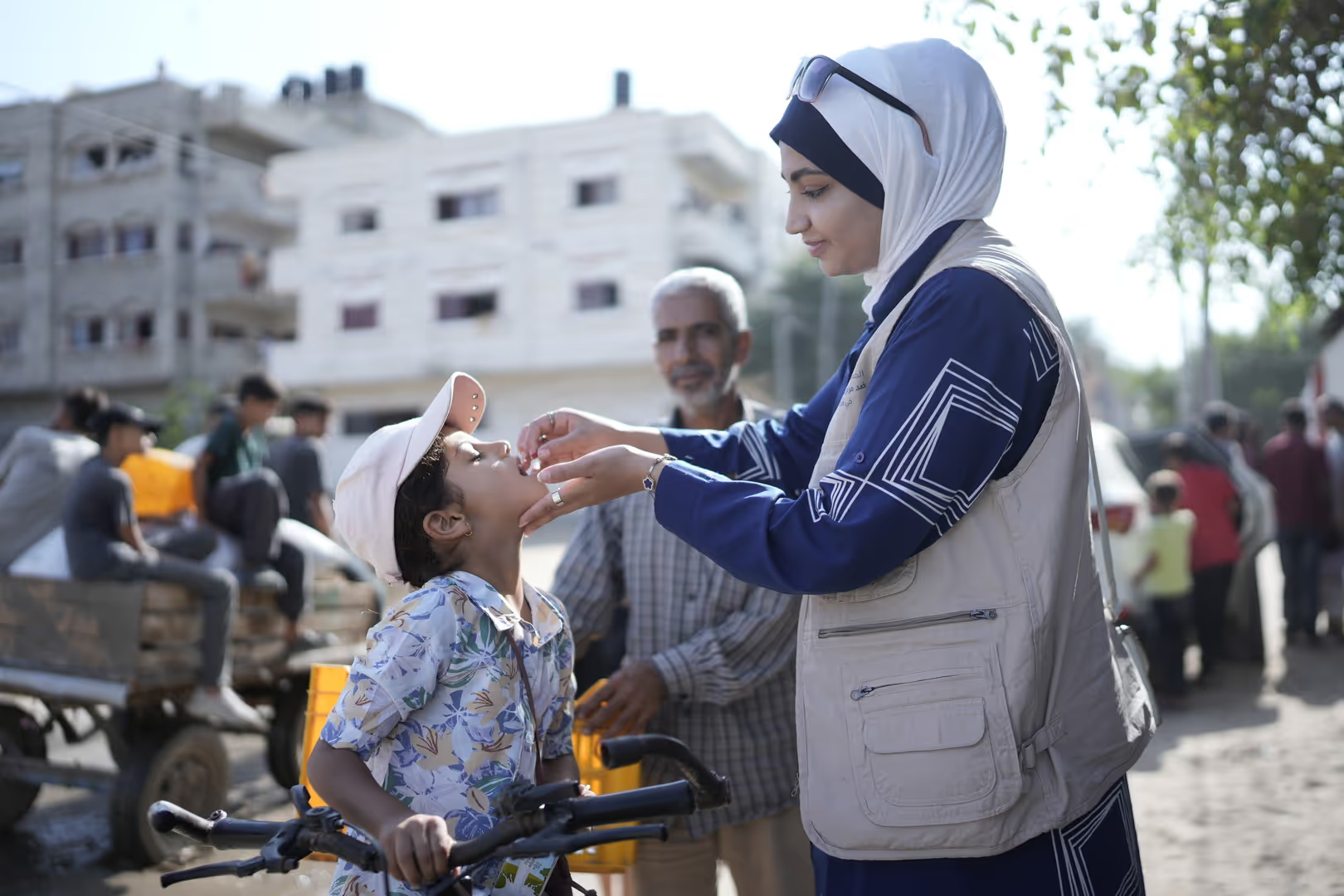
Gaza, 2025: more than 7,600 medical evacuations to 25 countries and more than 500 truckloads of supplies.
Source: WHO Health Emergencies 2025 annual report
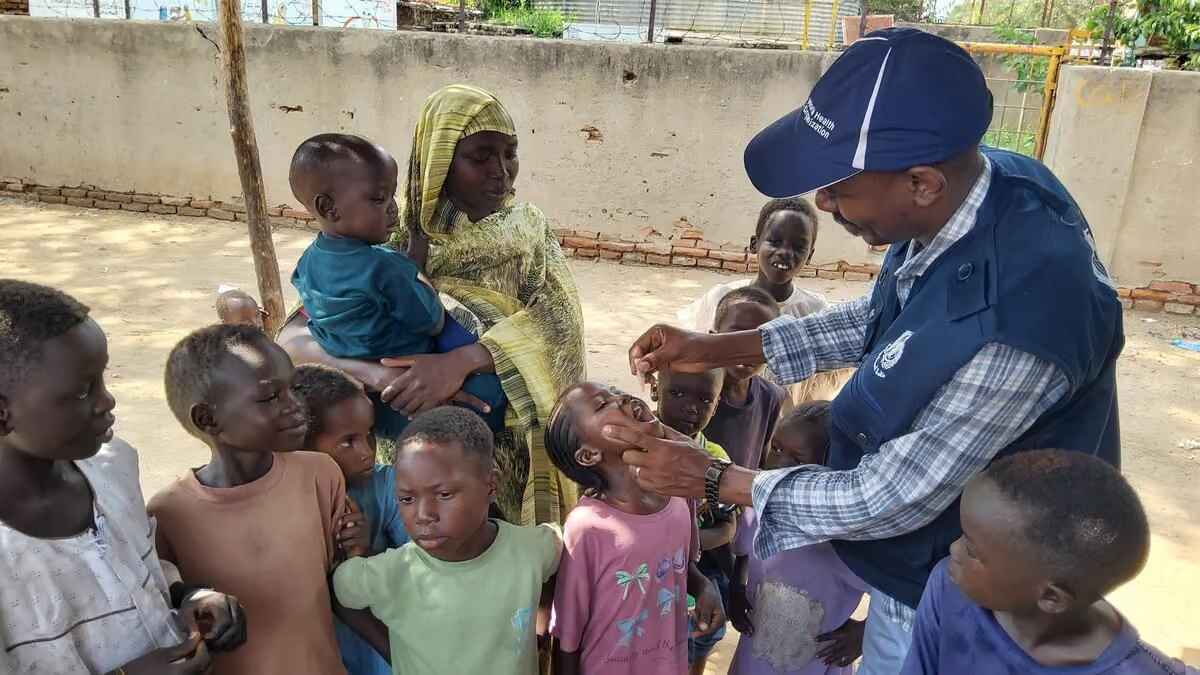
Sudan, since April 2023: cholera vaccine has reached 24.5 million people.
Source: WHO, “After three years of conflict, Sudan faces a deeper health crisis” (14 April 2026)

Nepal, August 2026: a health kit for about 10,000 people sent within hours of the floods, and US$150,000 released from the regional emergency fund.
Source: WHO Nepal flash floods page
People received urgent care from WHO Health Clusters
Primary health care consultations delivered in crisis-affected areas
Medical consultations delivered by WHO emergency medical teams
But being ready needs funding. Humanitarian needs are among the highest in a decade, while funding for global health has been cut back.
In early 2025, the U.S. announced its withdrawal from WHO, stripping away nearly 20% of critical funding.
The consequences are already devastating:
And this is just the beginning.
Immunization programs protecting children from measles, polio, and rubella face serious danger due to funding gaps. WHO has already lost 14 key immunization experts, vaccine rollout support in 25 countries, and funding for 700 critical disease surveillance labs worldwide are at irreversible risk.
67 million children should not have to miss basic vaccines for measles or polio.
WHO-supported maternal health services—including critical birth assistance and emergency care—are now under threat. Just last year, WHO helped deliver 1.3 million babies safely in conflict zones and fragile areas. But hundreds of clinics providing this essential care have already closed.
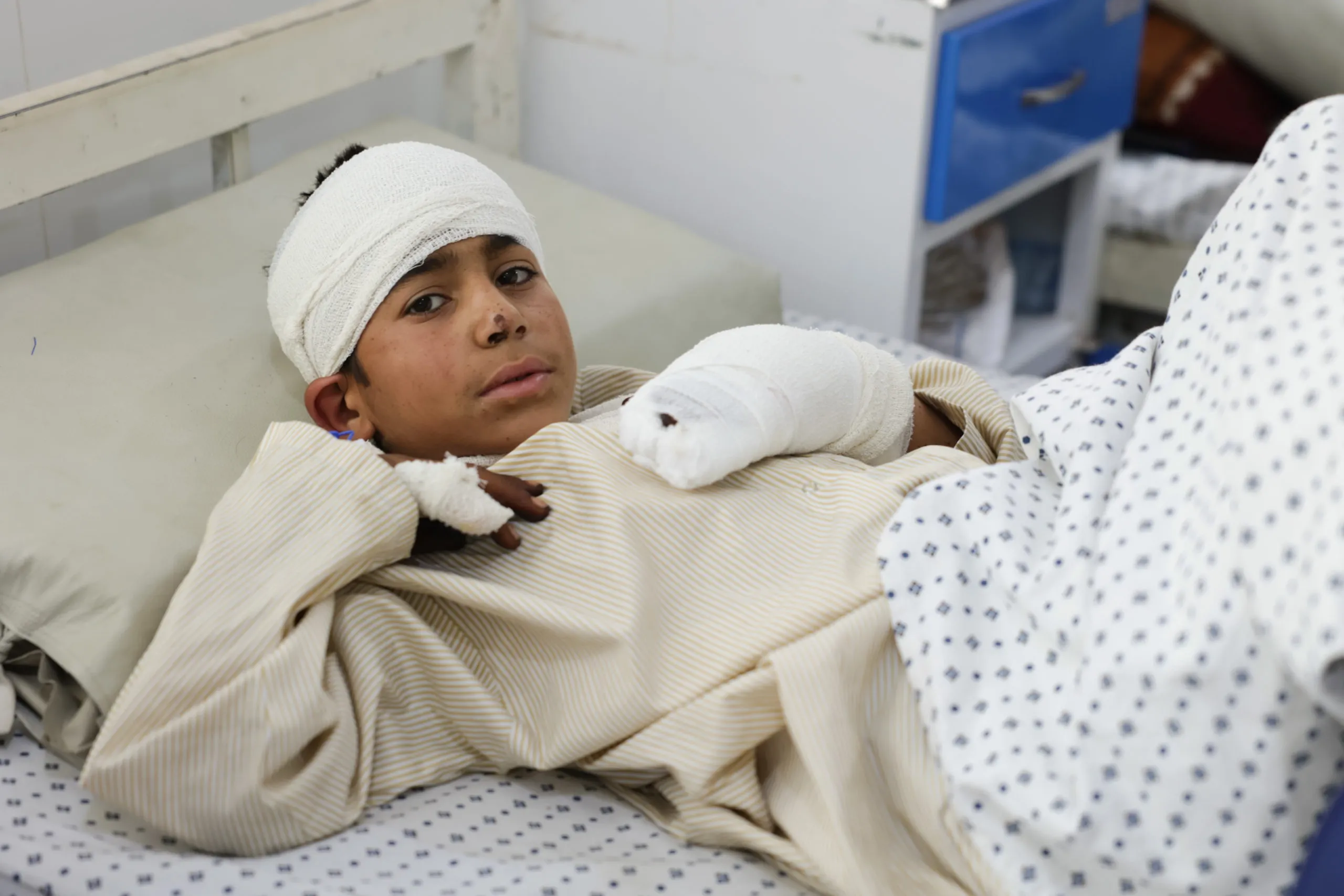
Without care, birth complications become fatal. Newborns die in the first hours of life.
Life-saving HIV and TB treatments face an imminent end, putting decades of progress at risk. By June 2025, eight countries could run out of essential HIV medications. WHO’s TB team has lost most of its funding, and vital new HIV prevention tools and TB vaccines face critical delays.
Interruptions in treatment fuel drug resistance and cost lives that could have been saved.
Without consistent funding, global health systems’ ability to quickly detect and stop deadly outbreaks are threatened. WHO can no longer rapidly deploy teams and supplies to contain diseases like Ebola, avian flu, or cholera. Nearly half of WHO’s disease surveillance staff have already been cut.
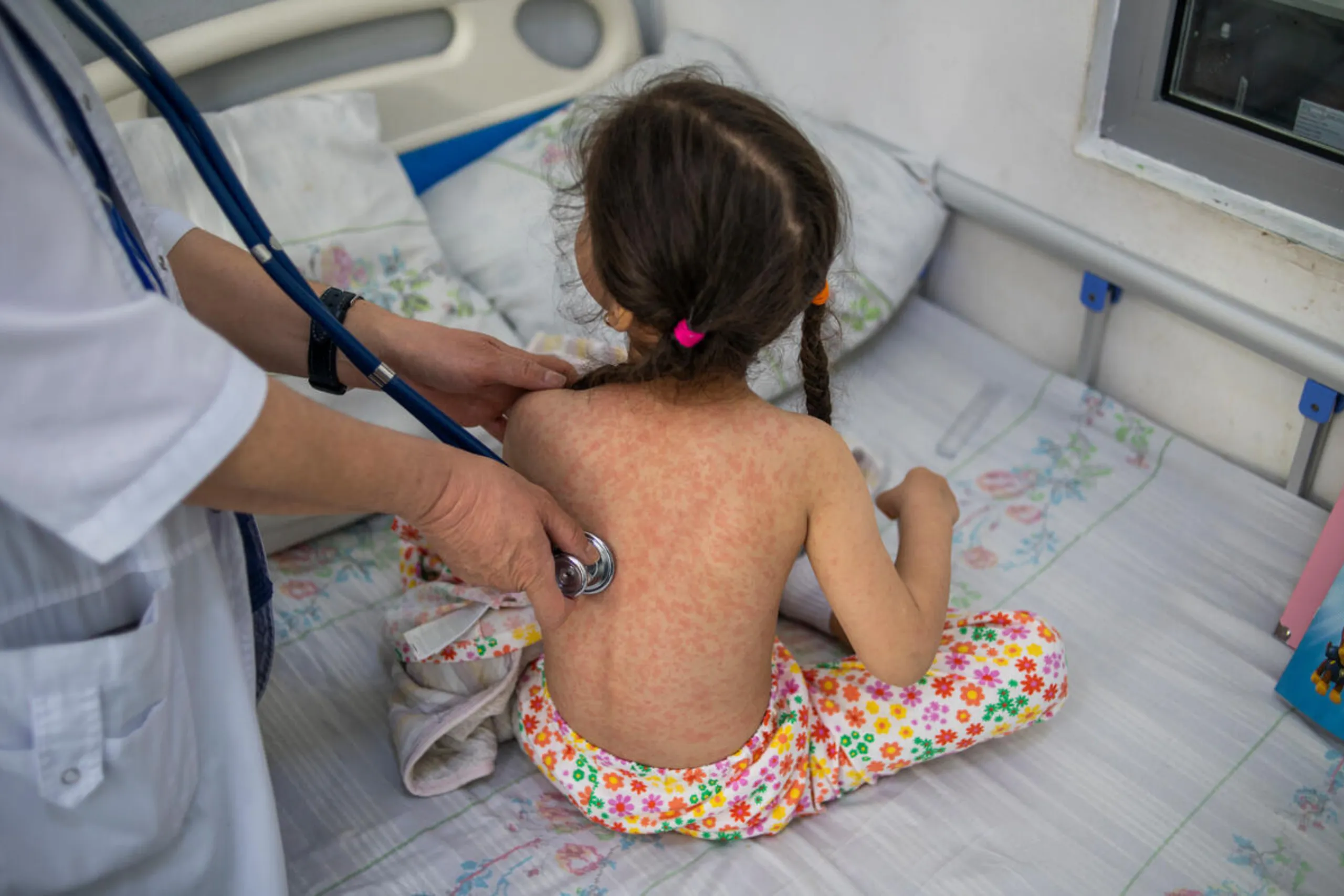
Delayed responses let diseases spread unchecked — turning preventable outbreaks into deadly epidemics.
health facilities affected
countries missing essential treatment
children at risk
Your generosity goes a long way, from mobile clinics in crisis zones to lifesaving vaccine drives in remote villages. Dive into the stories your support makes possible.

Gaza · Mental health
Mira was only five when war took away her voice.
At Nasser Medical Complex in Gaza, five-year-old Mira arrived having lived through two traumas during the war. She refused to communicate with the medical staff and rejected contact with the psychologists. She cried often and had angry outbursts.
Little by little, the psychologist built a trusting relationship with her. Over time, she responded. The medical team began to notice her talking with others and reacting positively.
WHO has trained the mental health helpers and the team at Al Nasser Hospital, so this kind of help is in place when a child needs it. That is what being ready means.
Mira, 5, with a psychologist at Nasser Medical Complex, Gaza. WHO support to the Mental Health unit, 9 October 2024.
Sudan · Malnutrition
“I was so worried”: how a stabilization centre gave Modreek a chance
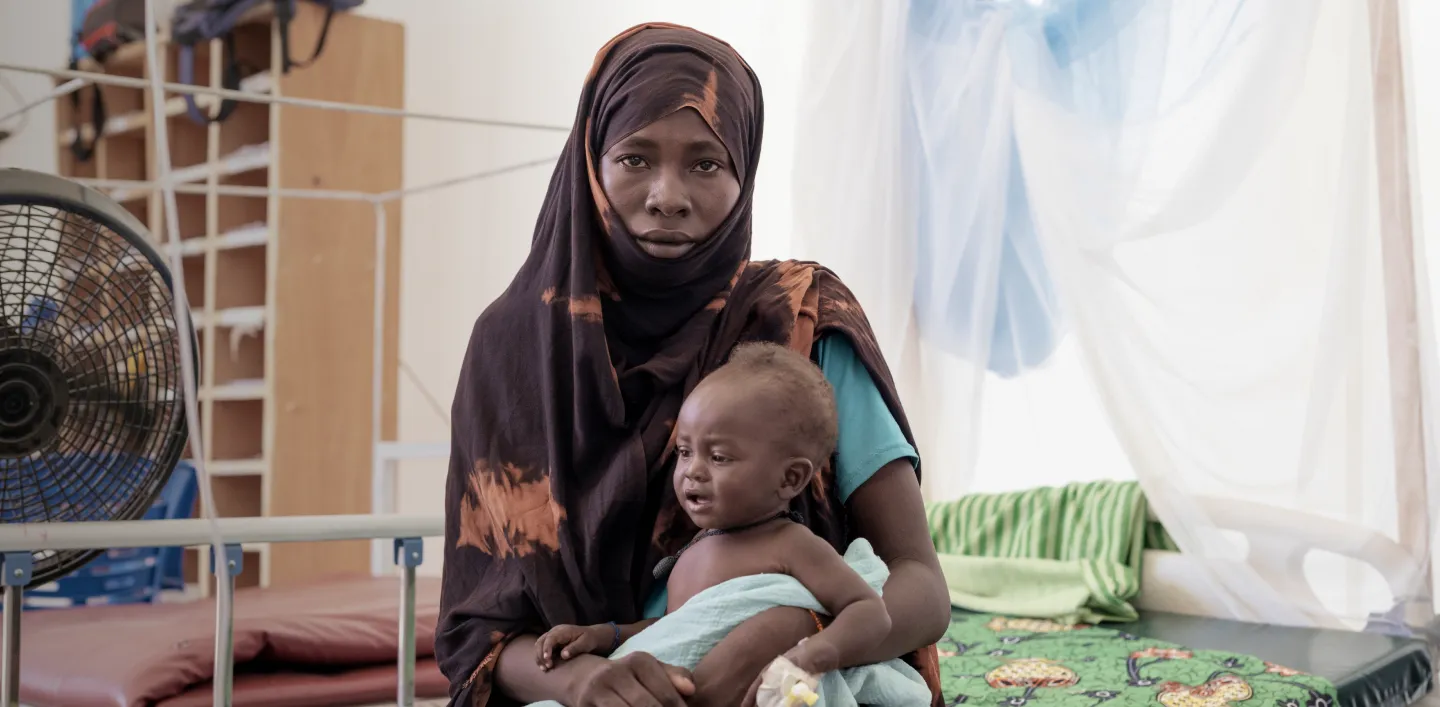
Shaza watched her son Modreek grow weaker each day. His body began to swell. He was vomiting. He stopped eating. Nothing she tried helped, and fear set in.
When she finally reached the WHO-supported Stabilization Centre at Al-Buluk Children’s Hospital in Omdurman, Modreek received urgent treatment for severe acute malnutrition. Slowly, he began to improve. “I was so worried,” Shaza says. “Now, I just want him to recover fully and return to his normal life.”
That is what being ready means: a centre that is open, supported and staffed on the day a mother arrives.
WHO health worker giving oral cholera vaccine to children in Sudan.
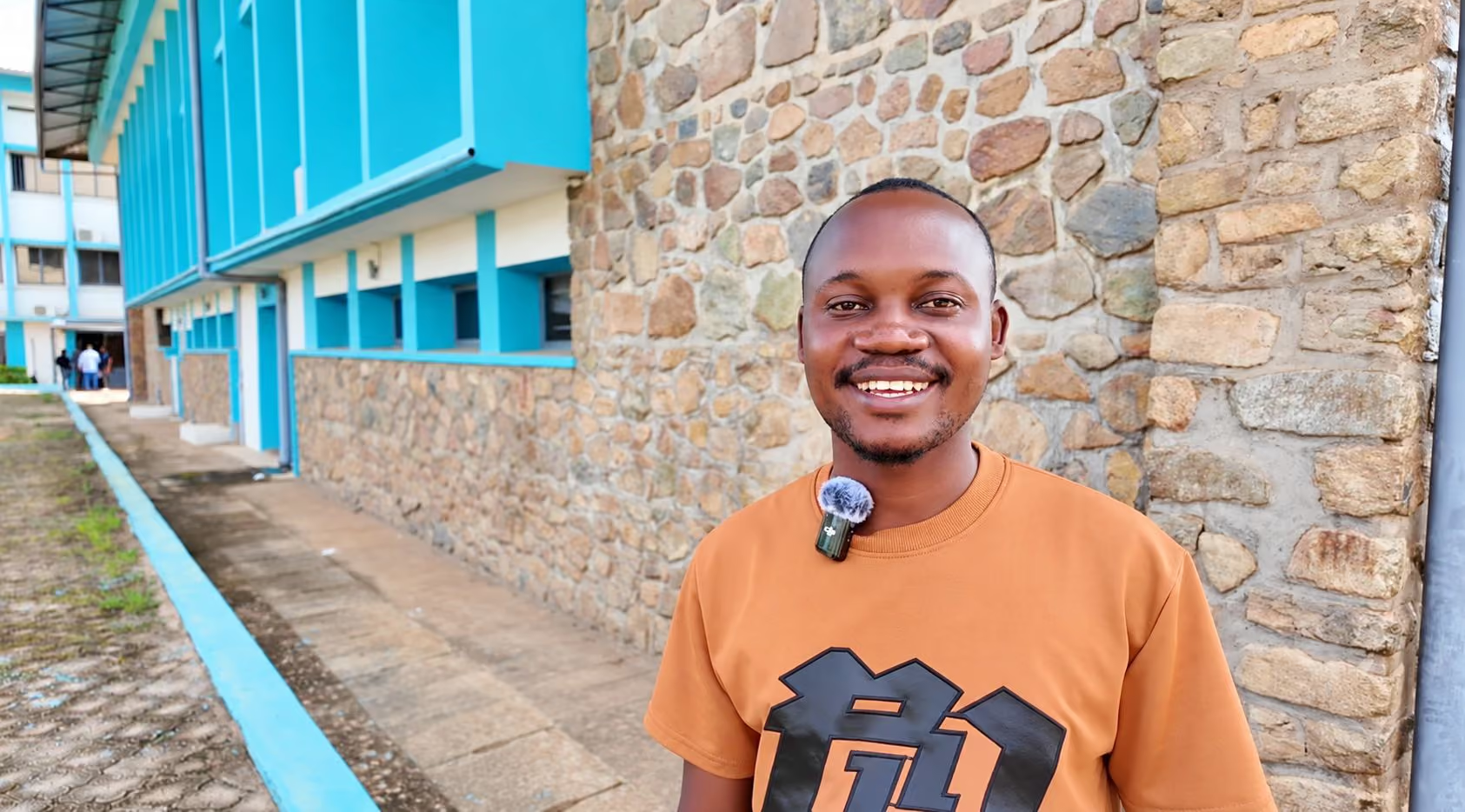
DRC · Ebola
After the outbreak, the care continues.
In Bunia, in the Democratic Republic of the Congo, the Ebola response doesn’t end when patients leave the treatment centre. At the Survivors Clinic, teams examine survivors from head to toe, treat complications and monitor their health, so the disease doesn’t return to the community.
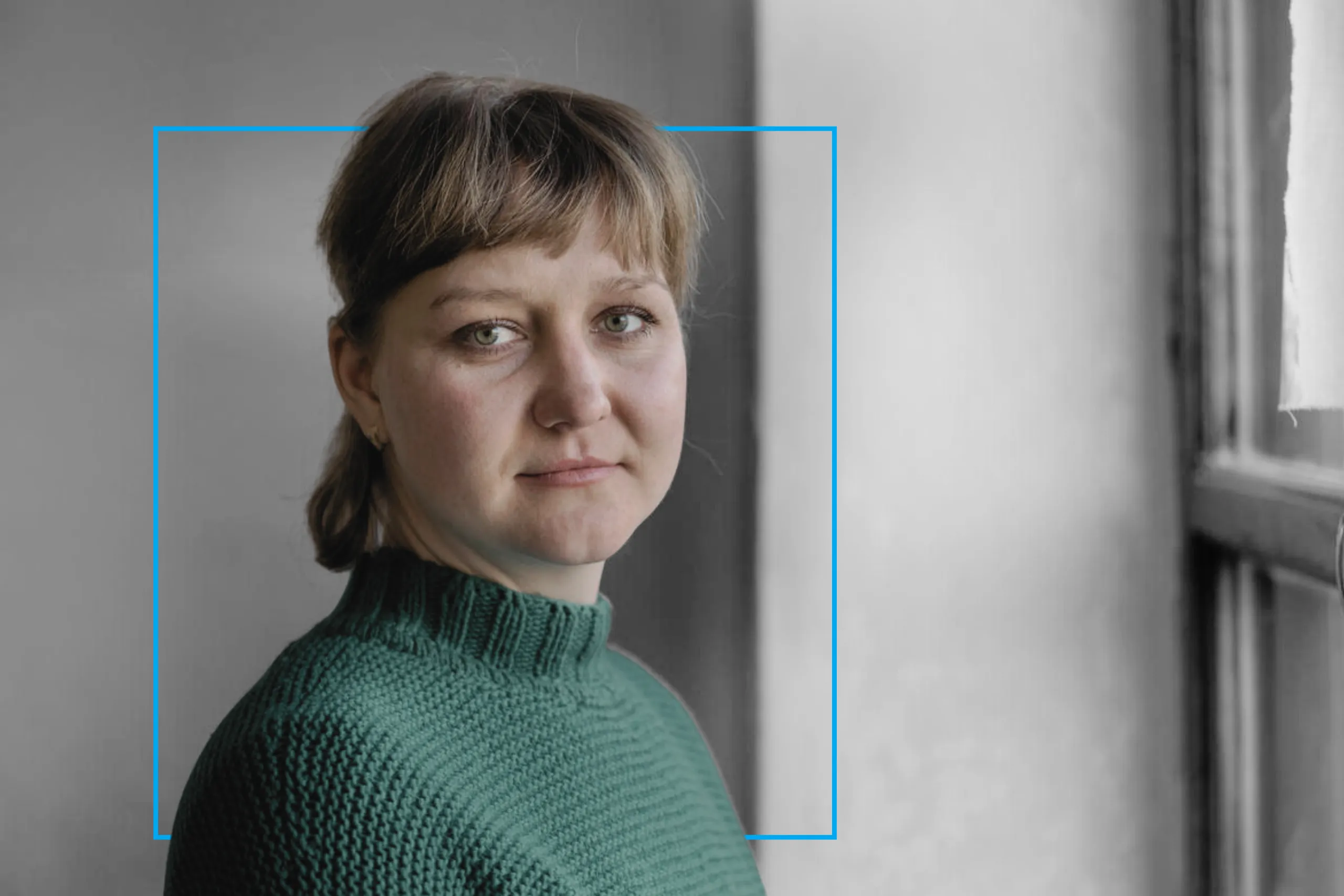
For Buna Ngbadhego Christian, who survived Ebola, the check-up matters. “I was well received,” he says. “I will even ask the others to come for their check-up, because it’s necessary to know your state of health.”
Buna Ngbadhego Christian, Ebola survivor, at the Survivors Clinic in Bunia, Democratic Republic of the Congo.
We’re the official fundraising partner to WHO, directing your donation to WHO’s emergency and life-saving programmes. Your donation helps WHO act faster, reach further, and report back transparently. By donating, you directly confront urgent global health challenges—from pandemics to lack of care—funding life-saving initiatives, advancing health equity, and building resilient systems so future generations can thrive.
You give. WHO acts.
Frequently asked questions
The WHO Contingency Fund for Emergencies (CFE) is WHO’s emergency fund. It was set up in 2015, after the West Africa Ebola outbreak, so that WHO can start responding to an outbreak or disaster within hours, without waiting for other funding to arrive.
When a crisis hits, money from the CFE can be released quickly to send experts, supplies and teams to the people who need them. Because the fund is already in place, WHO can act early, when a response makes the biggest difference. Between 2015 and 2025, US$353 million was contributed to the CFE.
The CFE is part of what being ready means: funding in place before the next crisis hits.
Learn more about the CFE →Only if you choose it. When you give, you can select the Rapid Response Fund, which supports WHO’s Contingency Fund for Emergencies (CFE). This is the fund that lets WHO start responding to a crisis within hours. If you don’t select it, your gift goes to the fund you chose instead.
This is the default option. Your gift goes where WHO’s emergency work needs it most at that moment, whether that is a new outbreak, a disaster or a long-running crisis. Because the need changes quickly, this gives WHO the flexibility to act where it can make the biggest difference, without waiting for a specific appeal.
The WHO Foundation is an independent foundation that raises funds to support WHO’s work in health emergencies and beyond.
Your gift supports the WHO Health Emergencies Programme: teams, tests and supplies in place before a crisis spreads, and a fast response when one hits.
The WHO Foundation and its affiliates are not authorized to provide tax advice. Donors are responsible for verifying the tax deductibility of their contribution under the laws of their respective countries. Eligibility for a tax deduction depends on the donor’s jurisdiction of residence and the route through which the donation is processed.
Yes, monthly gifts can be changed or stopped at any time.
Yes! When making your donation, you’ll find an option during checkout to dedicate your gift in memory of or in honour of someone special. It’s a meaningful way to celebrate a life or mark a milestone while supporting global health.
Tax receipts are automatically issued upon donation.
Email our donor care team at donations@who.foundation
Find out more
Your support makes a difference. Learn more about some of our focus areas.
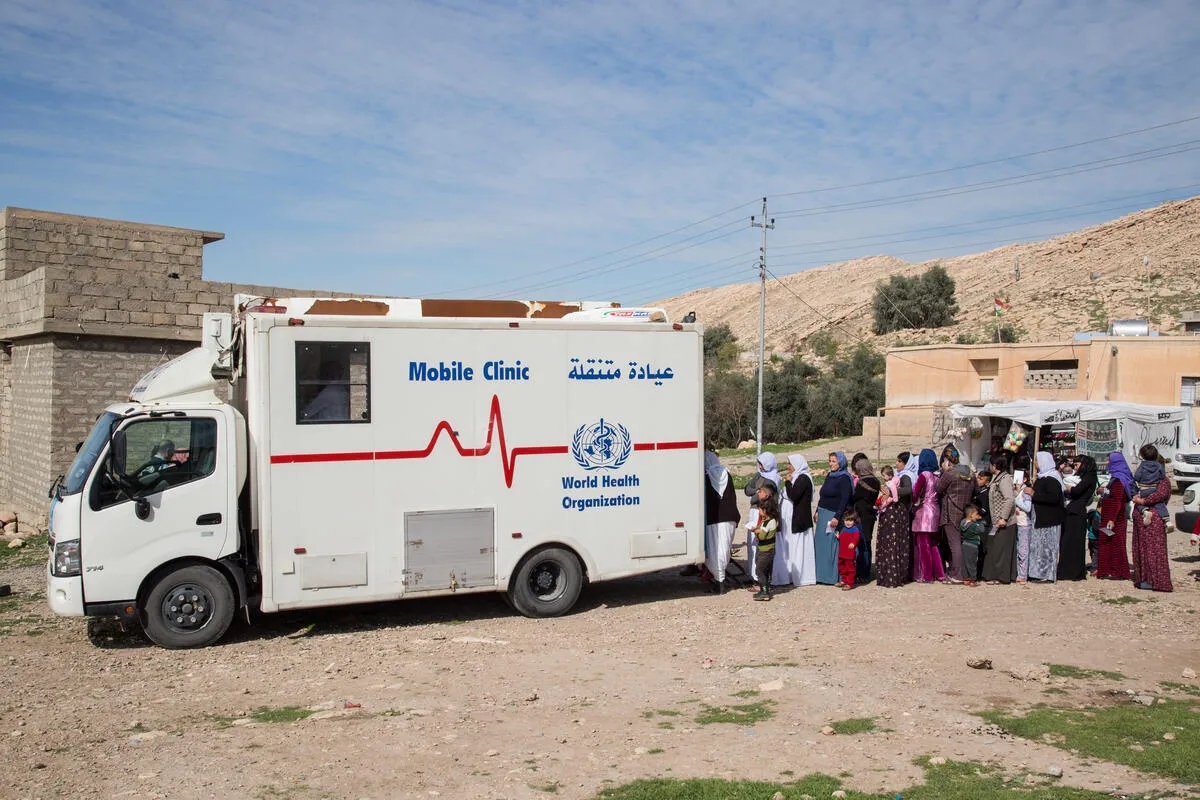
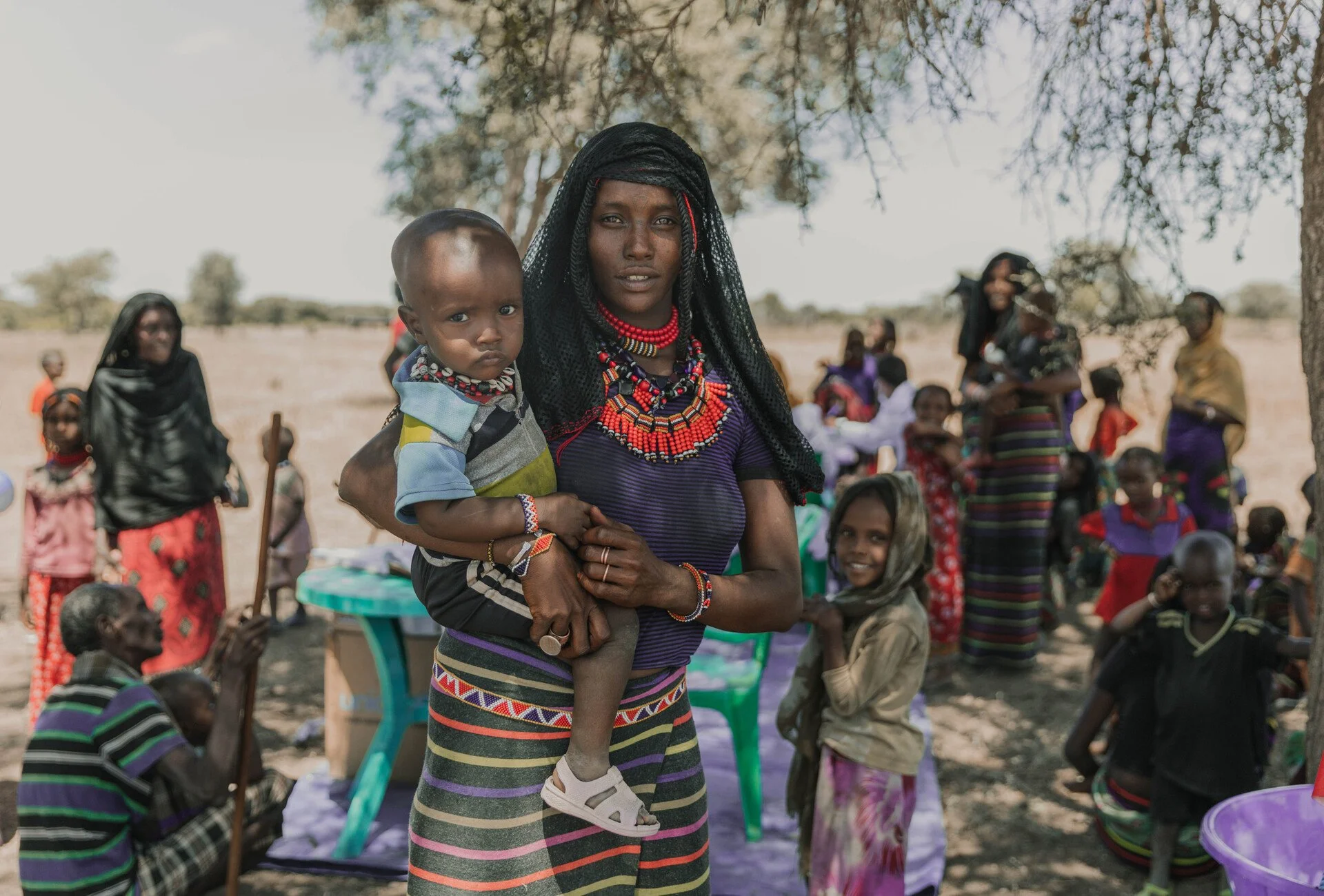
When fixed facilities are damaged, overwhelmed, or closed, mobile clinics become the health system. In 2025, WHO and partners delivered 69.9 million primary health care consultations, supported over 8,100 health facilities, and deployed 1,423 mobile clinics in the world's most fragile settings