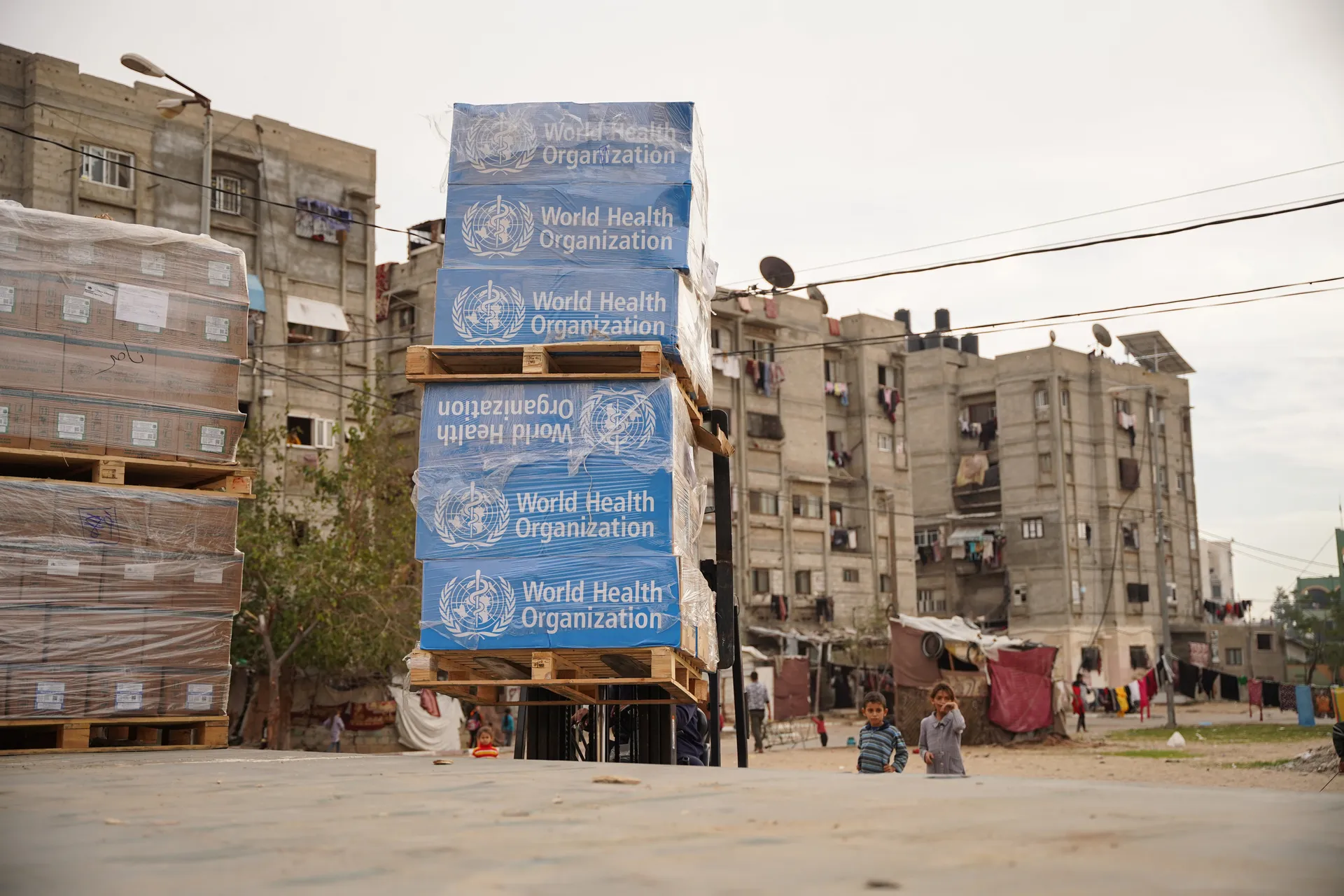
Trauma care in a crisis.
Because when buildings collapse, someone has to be there.
When disaster strikes — a building collapses, a bomb falls, a flood sweeps through — injuries don’t wait. In 2025, WHO delivered 2.4 million trauma consultations, deploying Emergency Medical Teams within hours across earthquakes, conflicts and mass-casualty events worldwide.
Give monthly. Keep teams ready.
The response starts before the crisis does.
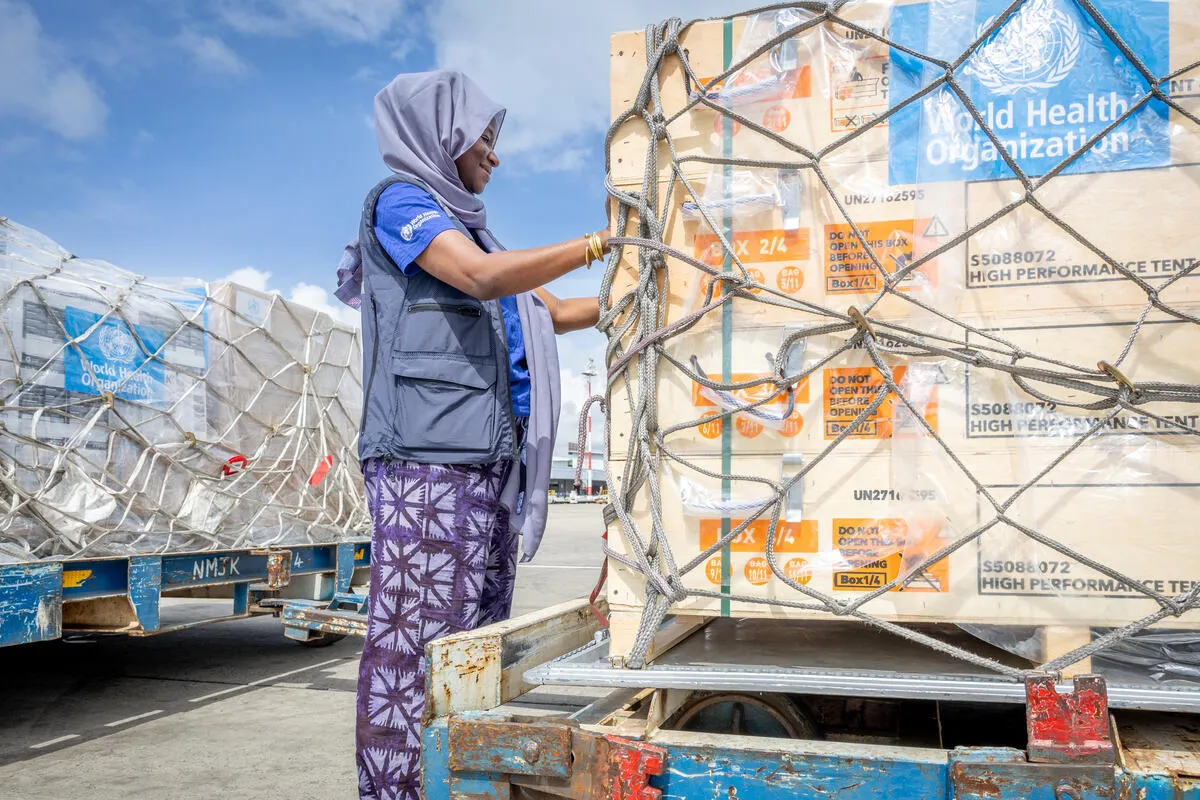
An Emergency Medical Team doesn’t improvise. Speed is only possible because the preparation happened first. WHO pre-positions surgical supplies, trains specialised trauma units and keeps the infrastructure in place to deploy within hours of any declaration. Here is how WHO stays ready:
What WHO deploys when the call comes in
Surgical supplies, wound care equipment and emergency medicines stockpiled in strategic locations before a crisis, so no time is lost on procurement when it matters most.
Specialised surgical and trauma units maintained at readiness, able to deploy within hours of a disaster declaration to provide care where no local capacity exists.
WHO trains local health workers to manage surges that would otherwise overwhelm fragile systems, extending each team’s reach without requiring more international deployments.
WHO's Response
Trauma response looks different in every emergency — earthquake, sustained conflict, frontline war — but WHO’s capability is the same. Three settings show how it responds:
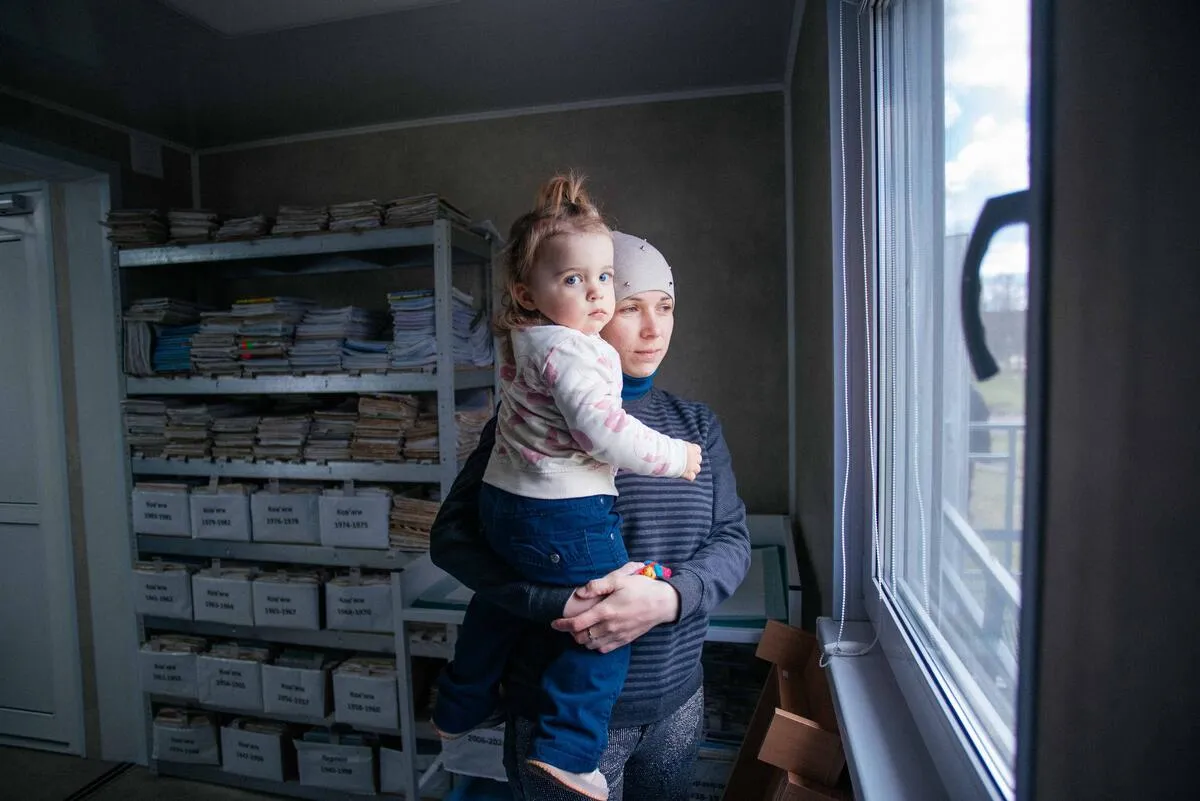
In a war where civilian casualties exceed 49,000, WHO builds the trauma care capacity of Ukrainian health professionals and ensures the availability of essential medicines. It is also scaling up community-based first aid training and distributing individual first aid kits in frontline areas — because most war-affected civilians are not prepared to manage life-threatening bleeding before emergency services arrive.
On 28 March 2025, two major earthquakes struck central Myanmar. WHO declared a Grade 3 emergency within 24 hours, deployed more than 20 Emergency Medical Teams, and flew in approximately 170 tonnes of medicines and equipment to support 450,000 affected people.
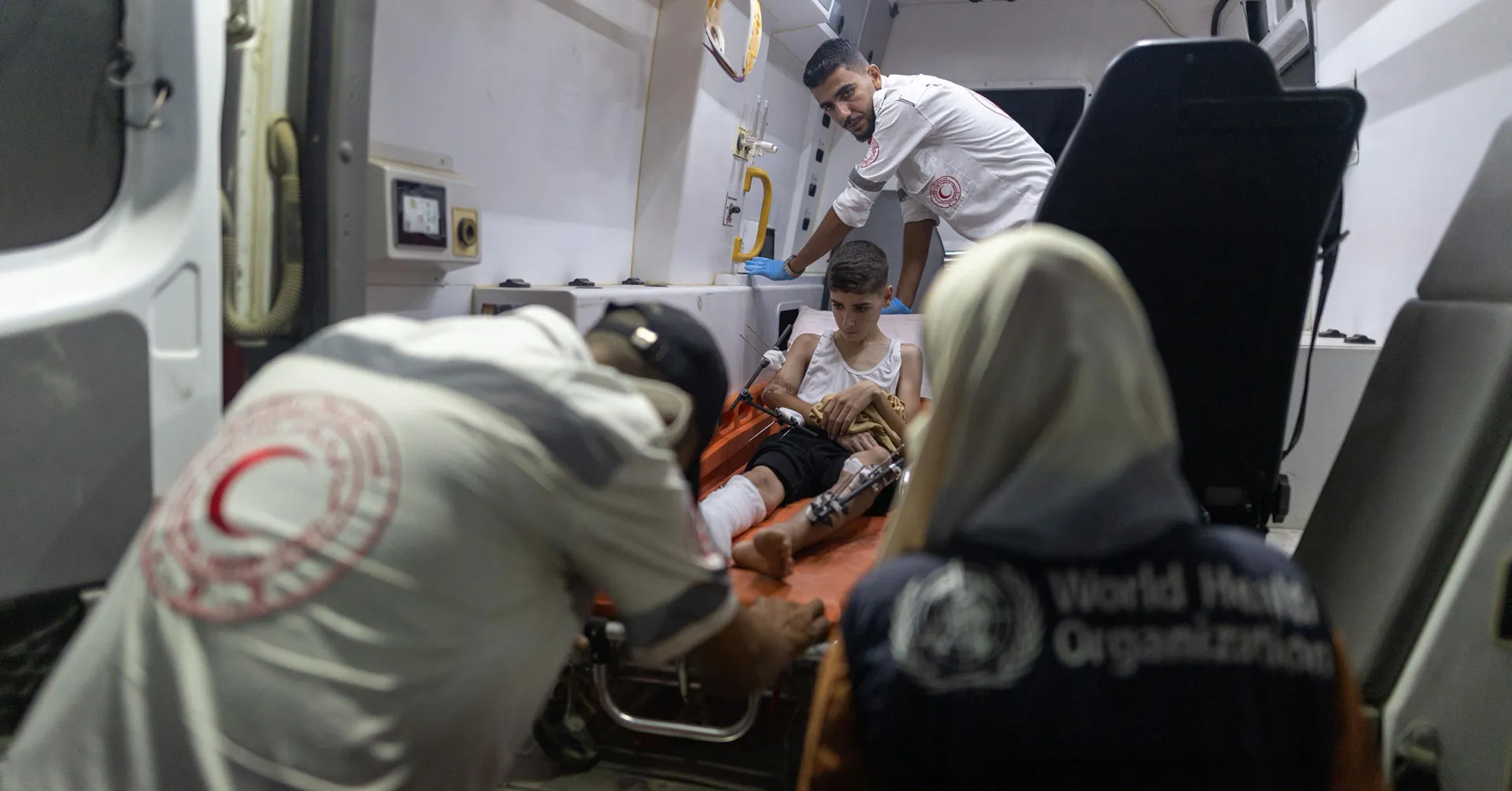
WHO coordinated and deployed 57 national and international Emergency Medical Teams in the Gaza Strip, delivering over 3.5 million consultations, nearly 51,000 surgeries and treatment for 179,000 trauma cases. Since October 2023, WHO has also supported the systematic medical evacuation of over 10,700 patients to more than 30 countries for advanced treatment.
WHO’s Impact
Your generosity goes a long way, from mobile clinics in crisis zones to lifesaving vaccine drives in remote villages. Dive into the stories your support makes possible.
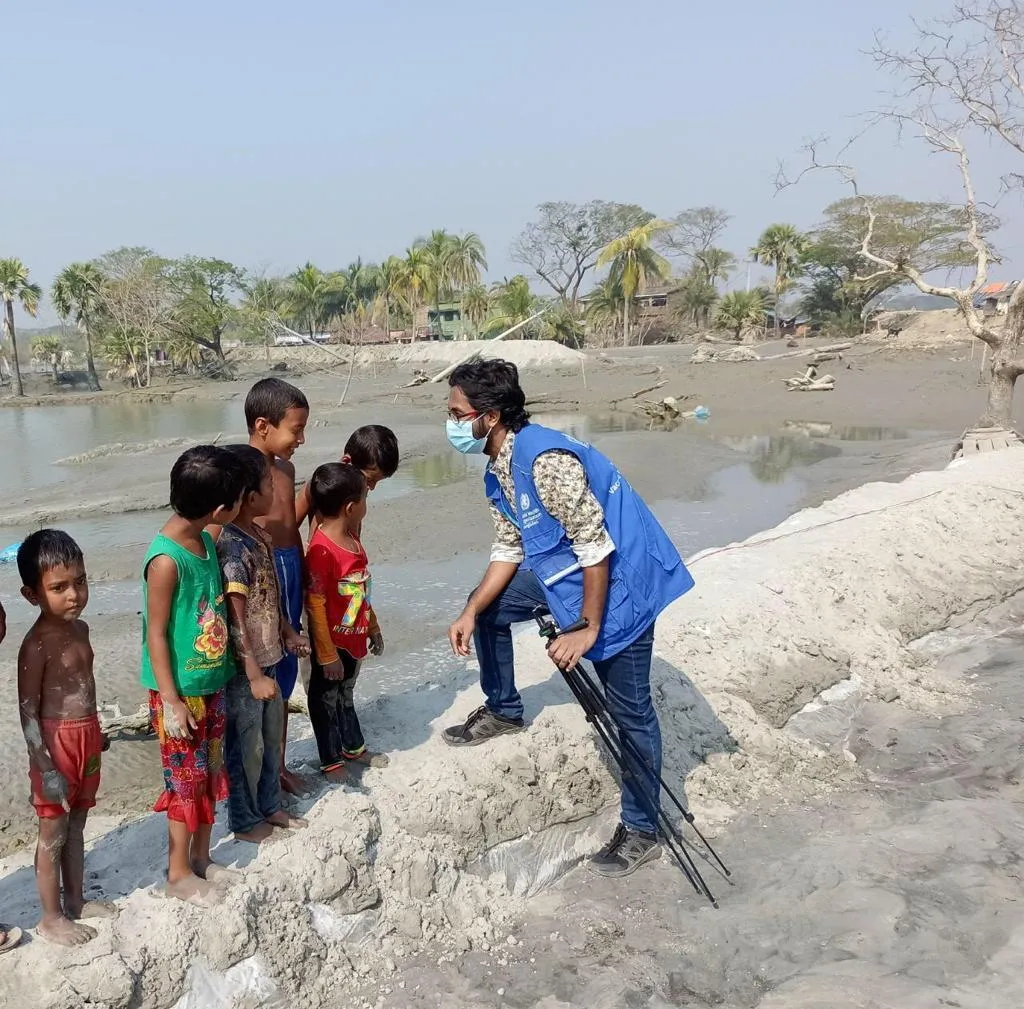
Before the Storm: WHO Prevents Health Emergencies
Emergency Care Saves Lives
Five Fast Facts on Sudan’s Health Emergency
Prepare, Predict, Act: What the Ebola Outbreak Tells us About Emergency Preparedness
Ready to take action?
Your support makes a difference. Learn more about some of our focus areas.


Subscribe to our newsletter
Join our community to learn how your donations are changing people’s lives for the better.
By clicking Sign Up you're confirming that you agree with our Terms and Conditions.