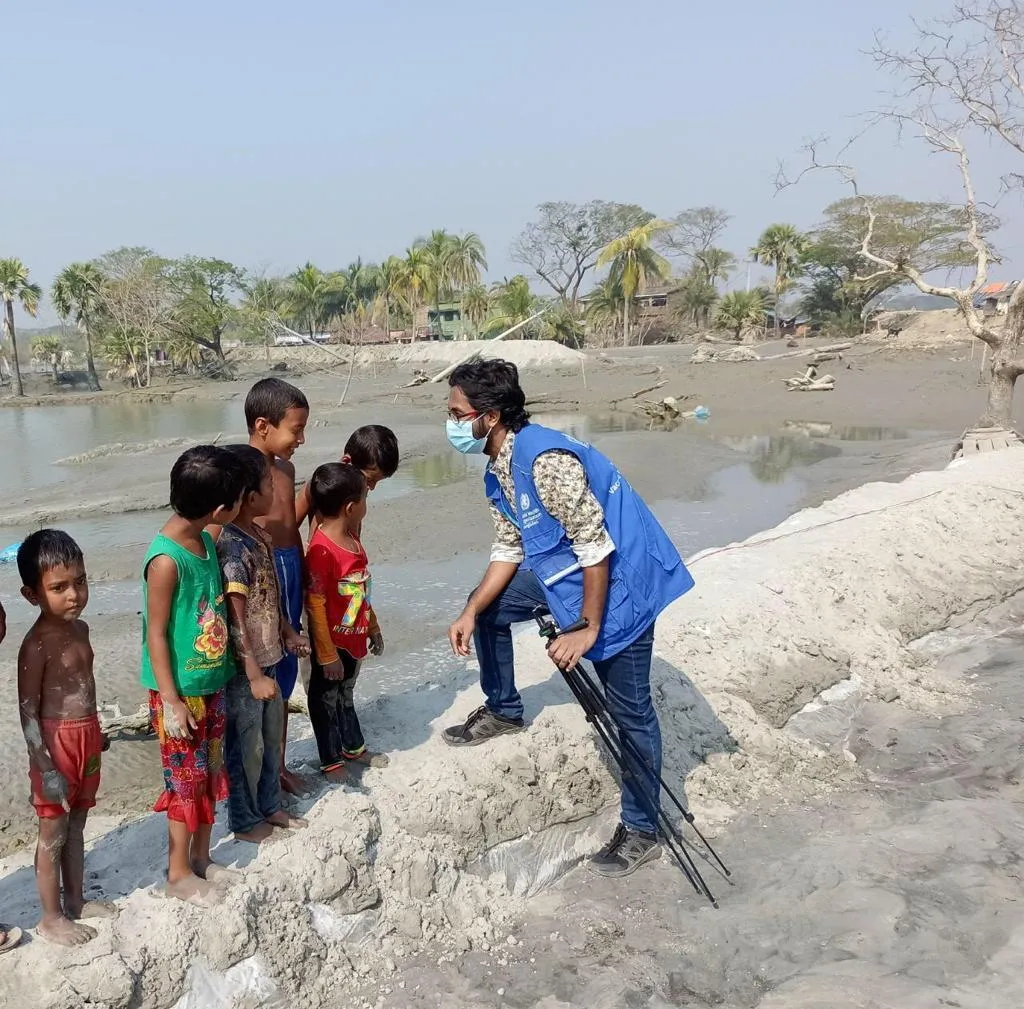
When the river burst its banks, residents were already vaccinated. The mosquitos who bred in the floodwaters had no one to infect with Malaria or Dengue fever. Doctors and nurses at the temporary mobile clinic attended to patients cut off by the flooded roads. To ensure children wouldn’t miss out on protection, healthcare workers traveled by dug out canoes to cut-off towns, stowing their immunization kits in waterproof cases. This is the story of a crisis that didn’t spiral into a health emergency, thanks to foresight and preparedness. This scenario illustrates that, when emergency health preparedness works, it’s almost invisible. The aim of preparedness is to reduce the number of people who die or fall seriously ill, even in the worst of the world’s crises. And, thanks to committed donors it’s what WHO’s Health Emergencies Programme does 365 days a year.
Any humanitarian crisis has a knock-on effect on health. Getting the health sector ready to respond to an emergency involves knowing what is needed in the event of one: it’s the essence of preparedness. It’s also the ethos behind the International Health Regulations, WHO’s legal framework designed to keep outbreaks from crossing borders. To prepare for health emergencies like this, as well as disease outbreaks, and conflicts WHO helps countries build a “health buffer”. This means:
- Assessing and guiding plans made by countries to address critical gaps
- Preventing and controlling infectious disease outbreaks through robust surveillance and laboratory expertize
- Monitoring ‘signals’ for public health threats
- Providing life-saving health services once a crisis erupts
WHO trains, certifies and coordinates the roster of international emergency medical teams - self-sufficient medics from more than 30 countries that can be dispatched to help support national health teams, without placing an extra burden on overstretched services. Coordination in the event of an emergency is essential as swift decisions about priorities, along with funding are needed, which is where WHO plays an indispensable role.
While coordination may sound abstract, on the ground it means the difference between people getting services on time, the correct medicines and medics being available and ensuring the right organizations carry out the work they can do best - or not. It avoids tension, chaos and duplication. The 2014–2016 Ebola epidemic in West Africa showed what happens without solid preparedness for a health emergency: more than 11,000 lives were lost across ten countries. It prompted the creation of the WHO Health Emergencies Program to help support health emergency operations as well as the technical support they had previously provided.
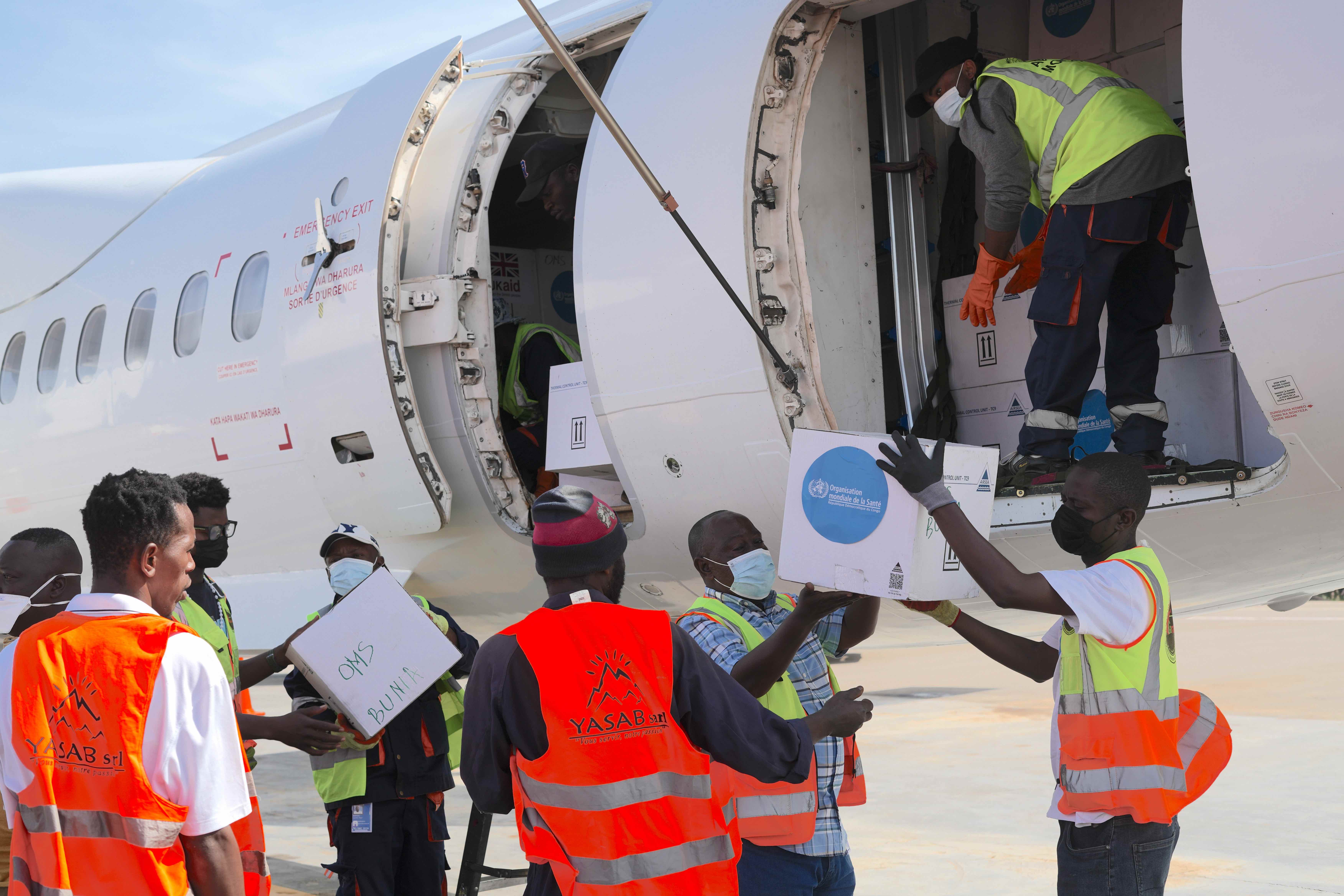
By contrast, in the most recent outbreak in the Democratic Republic of Congo, rapid surveillance teams were deployed; samples were tested at speed; vaccination campaigns reached villages without health centers; mobile treatment centers were erected and staffed by clinicians equipped to protect themselves while caring for the gravely ill. Forty five people died, health workers among them, but within less than three months, the outbreak was declared over. Behind these activities lies infrastructure: emergency operations centers, such as WHO’s hubs in Nairobi and Dakar where diseases surveillance data buzzes nonstop; supply chains that move PPE and medicines across continents; painstaking planning and coordination to create plans that can be actioned quickly. It is expert, technical work that keeps health emergencies from becoming human catastrophes.
Clear Financial Case
The WHO Foundation raises funds for WHO’s Health Emergencies Programme to strengthen preparedness and deliver rapid response when crisis hits. The financial logic is strong; it is estimated that preventing epidemics costs less than 1% of what the world spent reacting to COVID-19. Investment in readiness now can spare far greater losses later. Your support for the WHO Health Emergencies Program builds the systems that save lives before headlines ever break.
Your Giving Season gift can help stop the next crisis before it begins. Donate today.
.jpg)