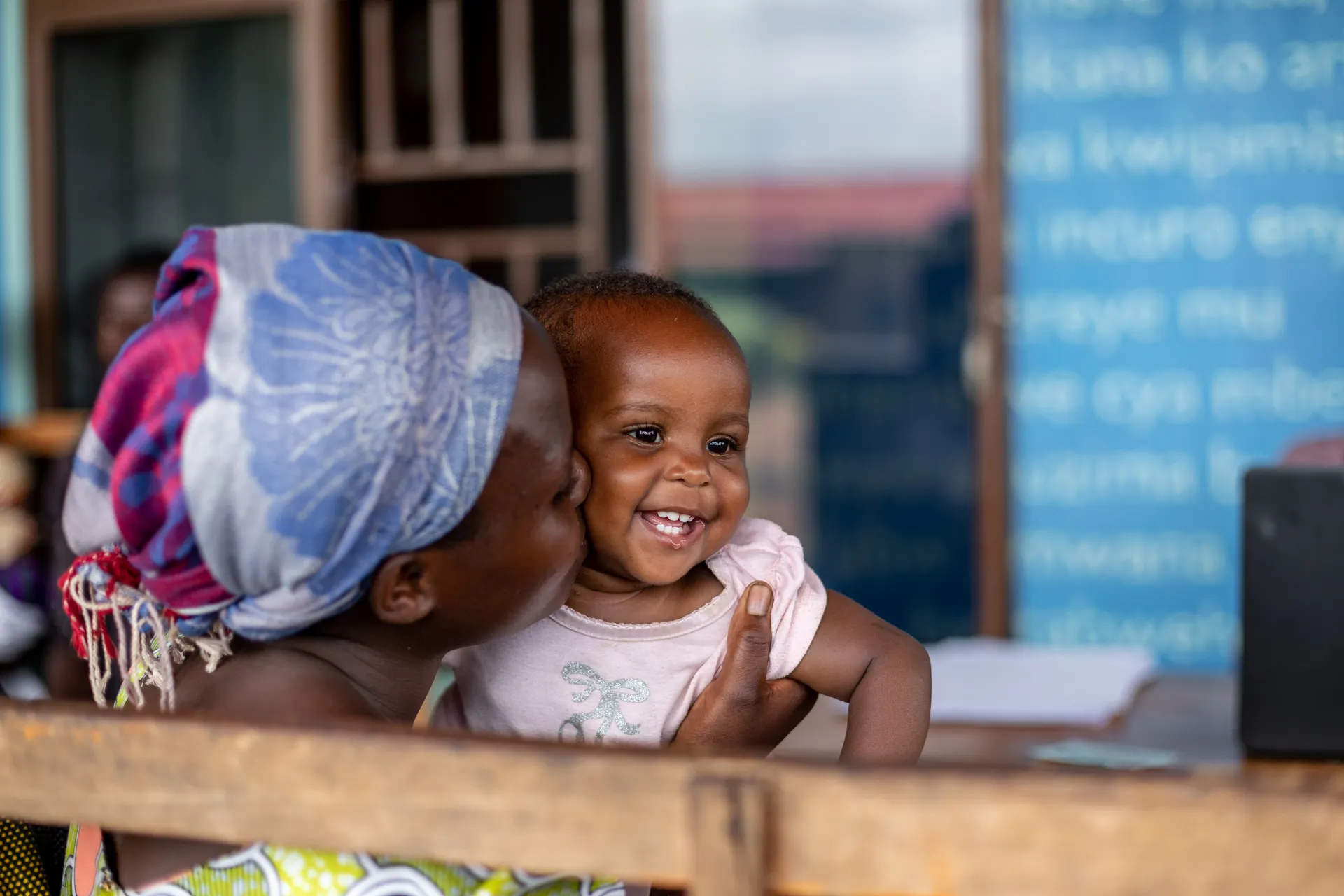
Maternal care in crises.
Because no mother should give birth without skilled care.
When a crisis hits, maternal care is often the first service to close and the last to return. WHO deploys midwives and female health workers to reach women in displacement camps, conflict zones and the places no one else goes.
Give monthly. Every birth attended.
She goes where hospitals cannot.
Behind every safe birth in a crisis is a trained female health worker and a small bag of supplies. WHO trains these workers, equips them and sends them to the women no one else reaches in displacement camps, through checkpoints, into homes in active conflict zones. Here is what she carries.
What’s inside her kit?
Two pairs for the delivery attendant. These are the most critical infection barriers for a safe birth.
A waterproof surface that prevents soil-borne infections, which kill newborns in displacement settings.
A sealed, single-use blade for cutting the umbilical cord, preventing neonatal tetanus.
Secures the umbilical cord and prevents hemorrhage in the first minutes of life.

WHO's Response
Maternal care collapses early in every crisis but WHO’s presence doesn’t. Four contexts show what continuity looks like:
Against more than 422 facility closures and active funding shortfalls, WHO has prioritised maternal and newborn care and continues to deploy female health workers to overcome gender-based access barriers. In 2025, 116,416 women received reproductive health services.
Only one in five health facilities can provide maternal and child health services. WHO supports neonatal and maternity services in some of the country’s most fragile settings, including the neonatal unit at Al-Saddaqa Teaching Hospital in Aden, caring for babies who arrive too early or too weak.
With more than one million people displaced, WHO deployed midwives to ensure every mother had skilled birth attendance regardless of shelter location — reaching 1,570 pregnant women in shelters.
Since April 2023, more than 4.3 million people have fled the Sudan conflict to neighbouring countries. WHO is scaling integrated maternal, newborn, child and adolescent health services across all four host countries, alongside sexual and reproductive health and gender-based violence care.
WHO’s Impact
Your generosity goes a long way, from mobile clinics in crisis zones to lifesaving vaccine drives in remote villages. Dive into the stories your support makes possible.
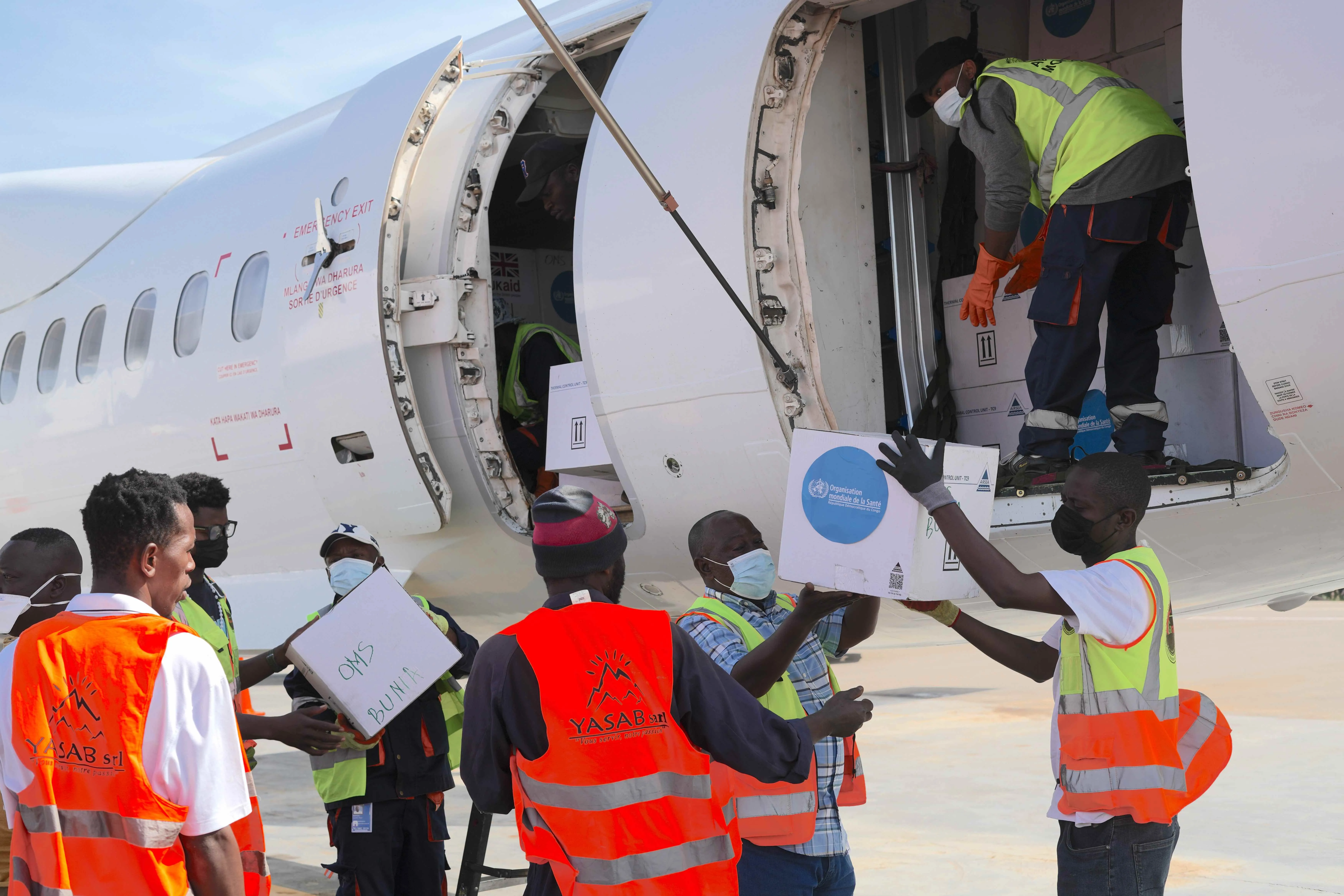
Prepare, Predict, Act: What the Ebola Outbreak Tells us About Emergency Preparedness
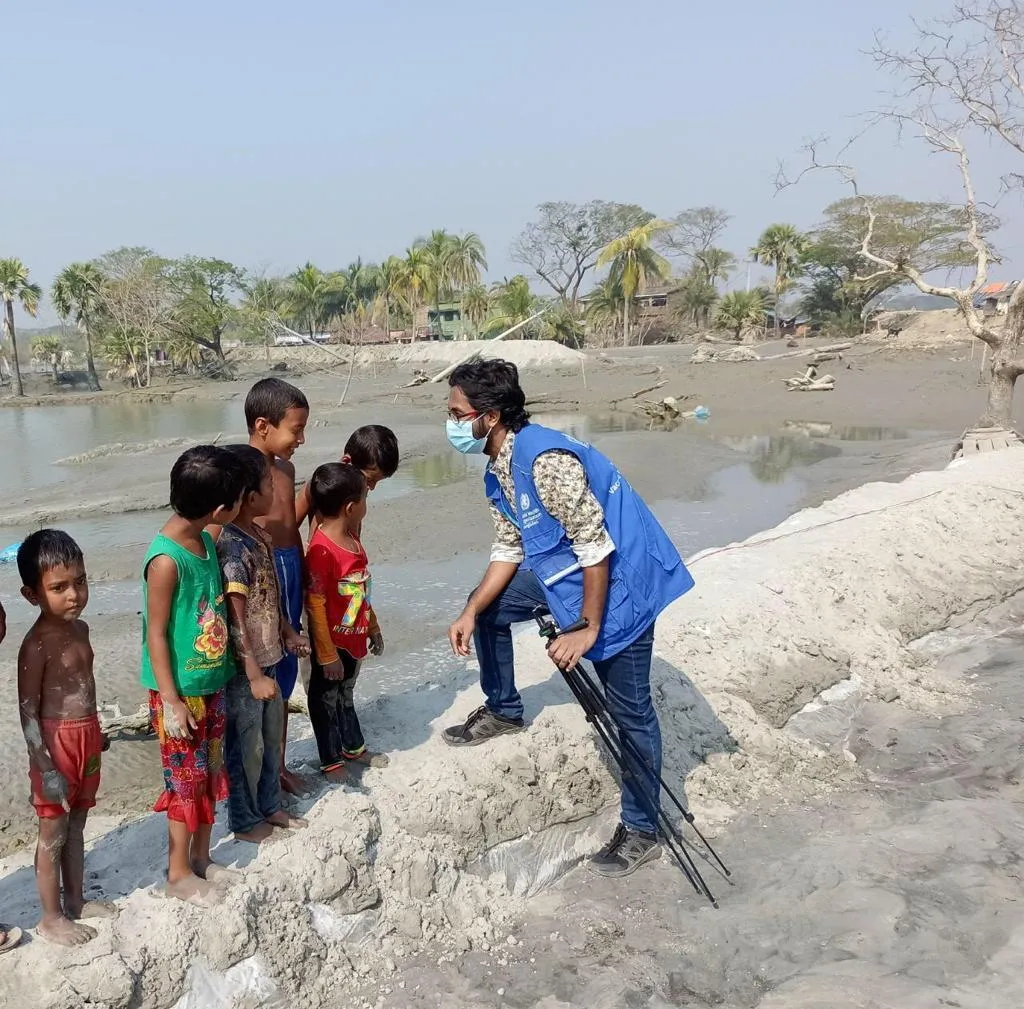
Before the Storm: WHO Prevents Health Emergencies
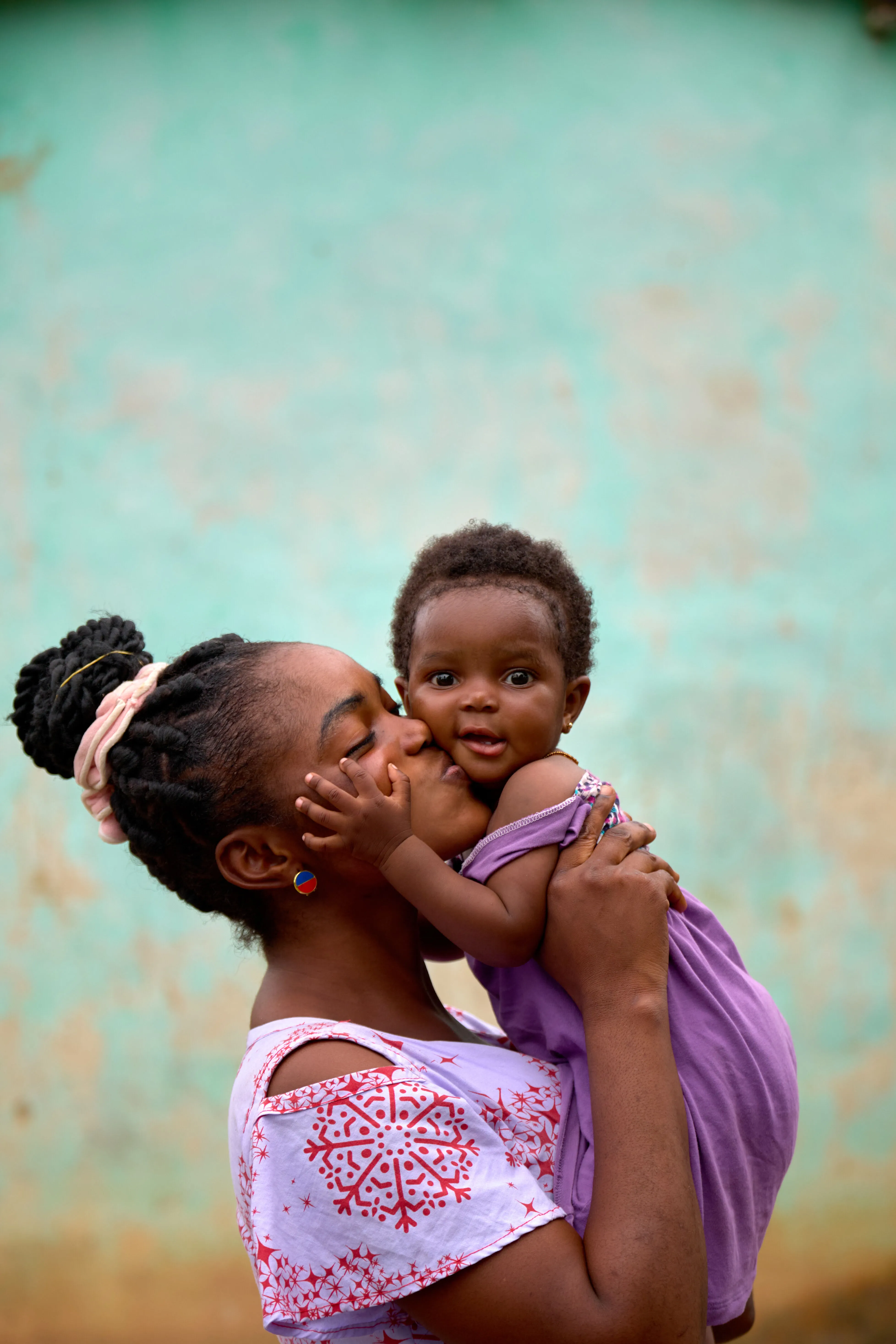
Emergency Care Saves Lives

Every Life Matters, Every Donation Counts: Championing WHO This Giving Season
Ready to take action?
Your support makes a difference. Learn more about some of our focus areas.


Subscribe to our newsletter
Join our community to learn how your donations are changing people’s lives for the better.
By clicking Sign Up you're confirming that you agree with our Terms and Conditions.