Vaccinations in a crisis.
Because a child in a conflict zone deserves the same protection as yours.
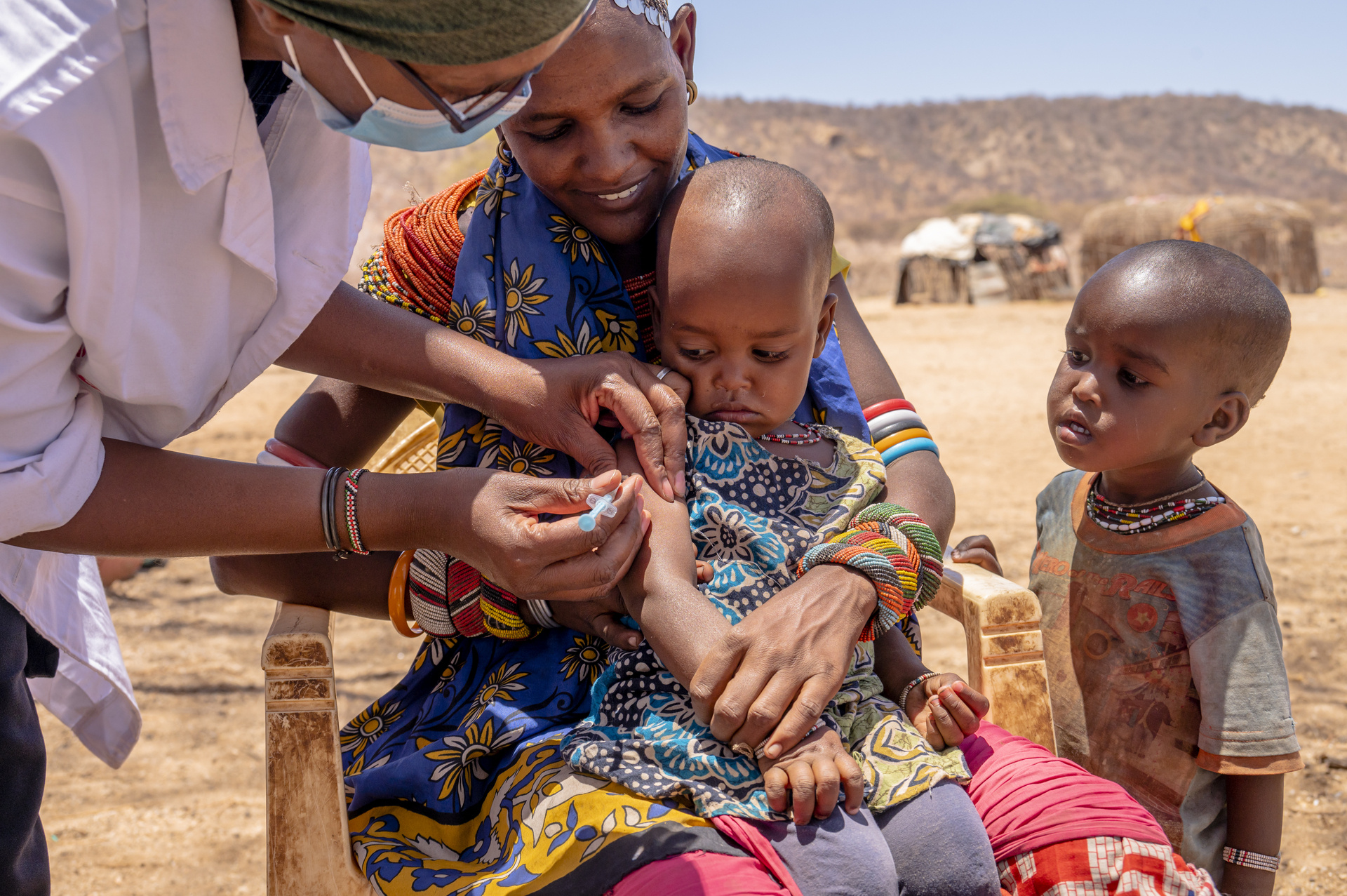
When routine immunization collapses, preventable diseases come back. Funding shortfalls have already disrupted vaccination for 14 million children. In 2025, WHO delivered 5.5 million childhood vaccines in emergencies while crossing checkpoints, maintaining the cold chain, and reaching children others could not.
Give monthly. Keep the response moving.
When immunization stops, the diseases come back.
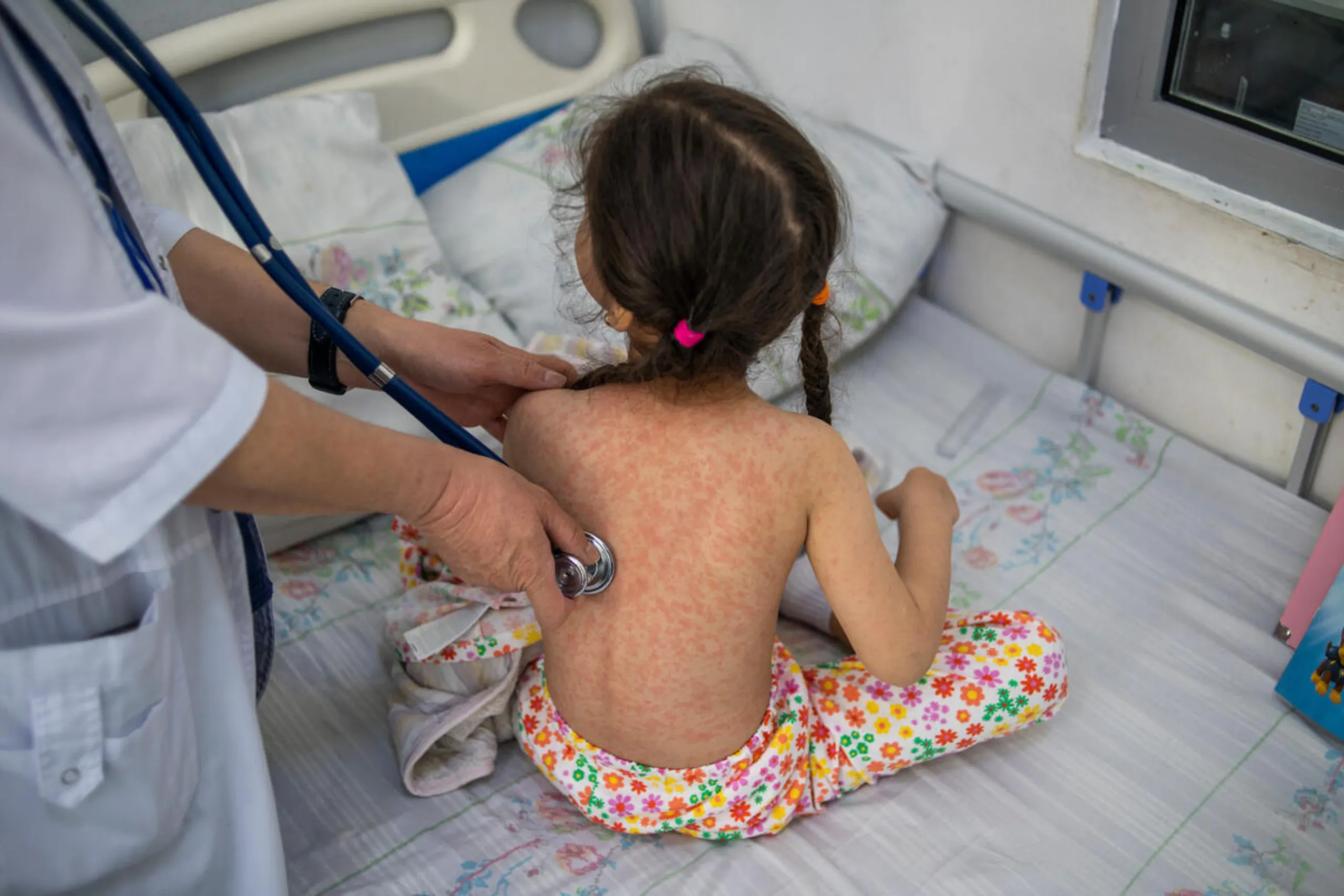
In a crisis, routine immunization is among the first things to collapse, which leads to the return of preventable diseases. Polio reappeared in Gaza after 25 years. Stopping that means getting a working vaccine to a child across a war zone: through checkpoints, through 40-degree heat, with the cold chain holding the whole way. WHO does this, where almost no one else can. In 2025, it delivered 5.5 million childhood vaccines in emergencies. Monthly giving is what keeps those campaigns running, crisis after crisis. Learn more below about what it takes to get a vaccine to a child:
What it takes to get a vaccine to a child
Hold the vaccine at +2°C to +8°C, even in 40-degree heat in a camp or conflict zone.
These alert health workers the moment the cold chain breaks; a compromised vaccine is no vaccine at all.
These are single-use and self-locking. They prevent infection in low-resource settings.
Puncture-resistant containers for safe needle disposal in displacement settings.

WHO's Response
Vaccination campaigns in emergencies are never the same twice. Each outbreak, each conflict brings a different disease and a different way in. What stays the same is WHO’s presence. WHO coordinates the response, trains health workers, maintains the cold chain, delivers the vaccine to the child, and stays on as the campaign continues. These campaigns show WHO's ongoing impact:
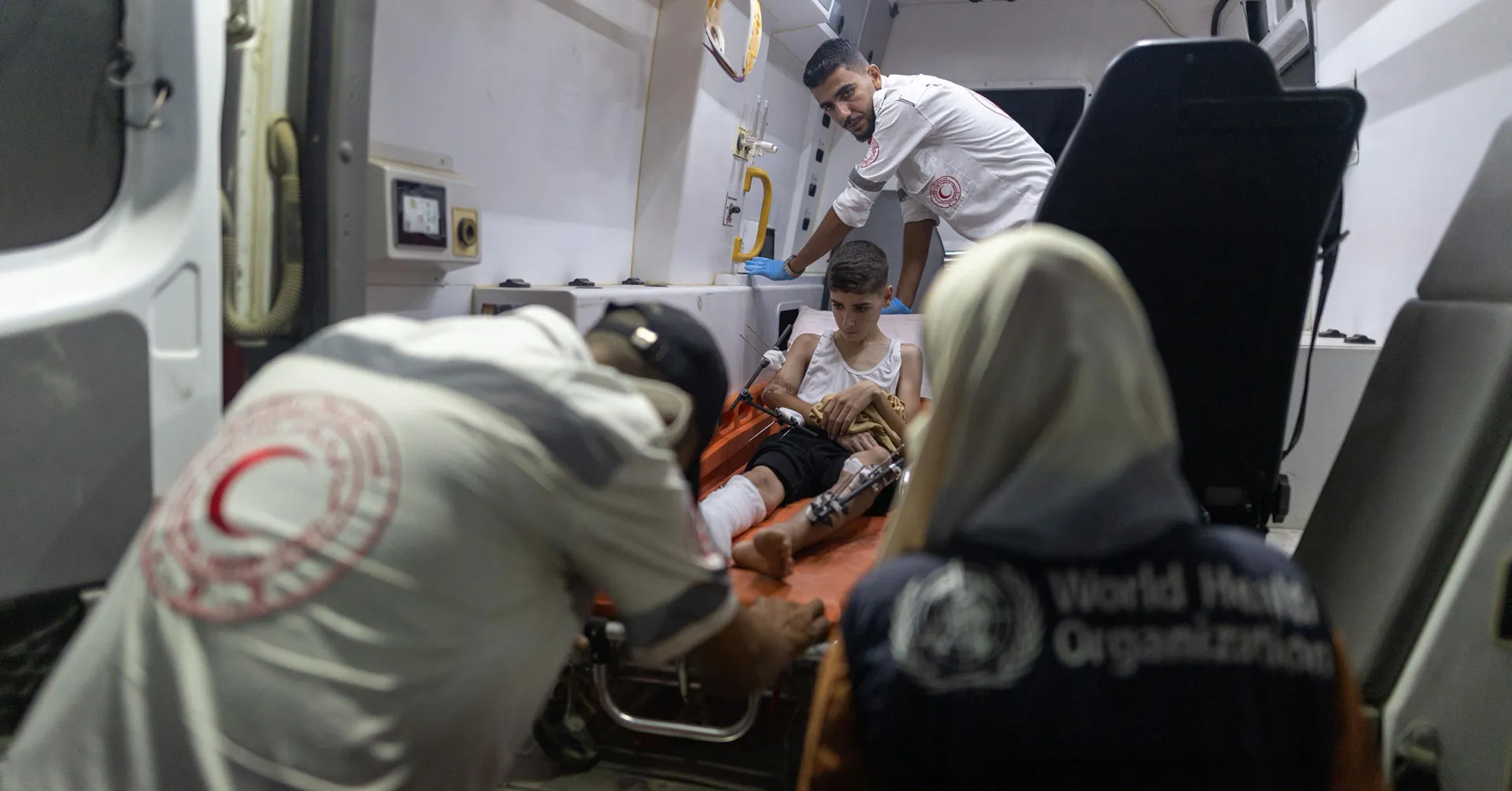
Polio had been absent from Gaza for 25 years. With all 36 hospitals damaged and just 48% of primary health care centres operational, WHO led three rounds of supplementary polio immunisation, protecting over 600,000 children under 10.
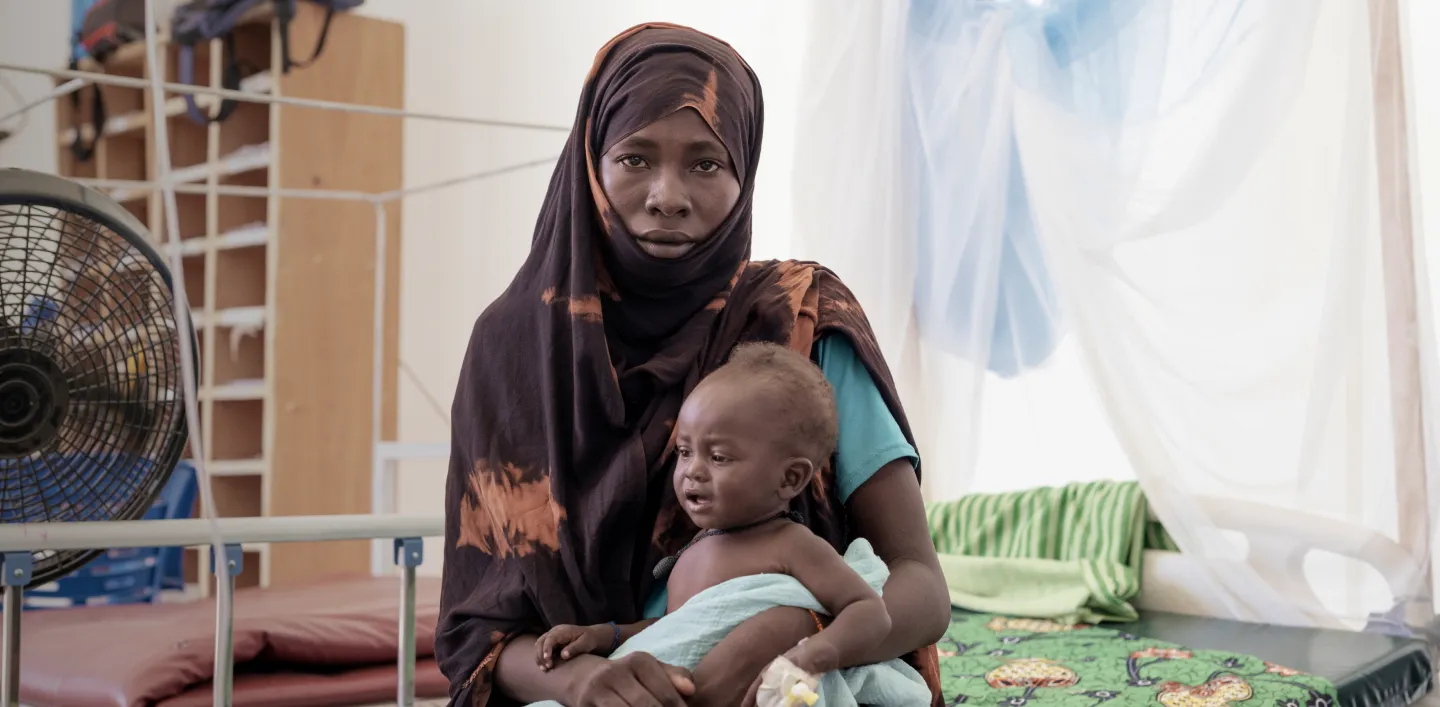
As cholera surged across Darfur, WHO and Sudan’s Ministry of Health launched an urgent oral cholera vaccination campaign in September 2025, protecting 1.86 million people. The campaign delivered support to insecure, hard-to-reach areas with trained volunteer vaccinators.
As the epicentre of mpox transmission in Africa, the DRC recorded over 15,000 confirmed cases between January and mid-August 2025. WHO coordinated a global surge through the Global Outbreak Alert and Response Network, deploying specialists and training 59 front-line doctors and nurses in mpox management.
WHO’s Impact
Your generosity goes a long way, from mobile clinics in crisis zones to lifesaving vaccine drives in remote villages. Dive into the stories your support makes possible.
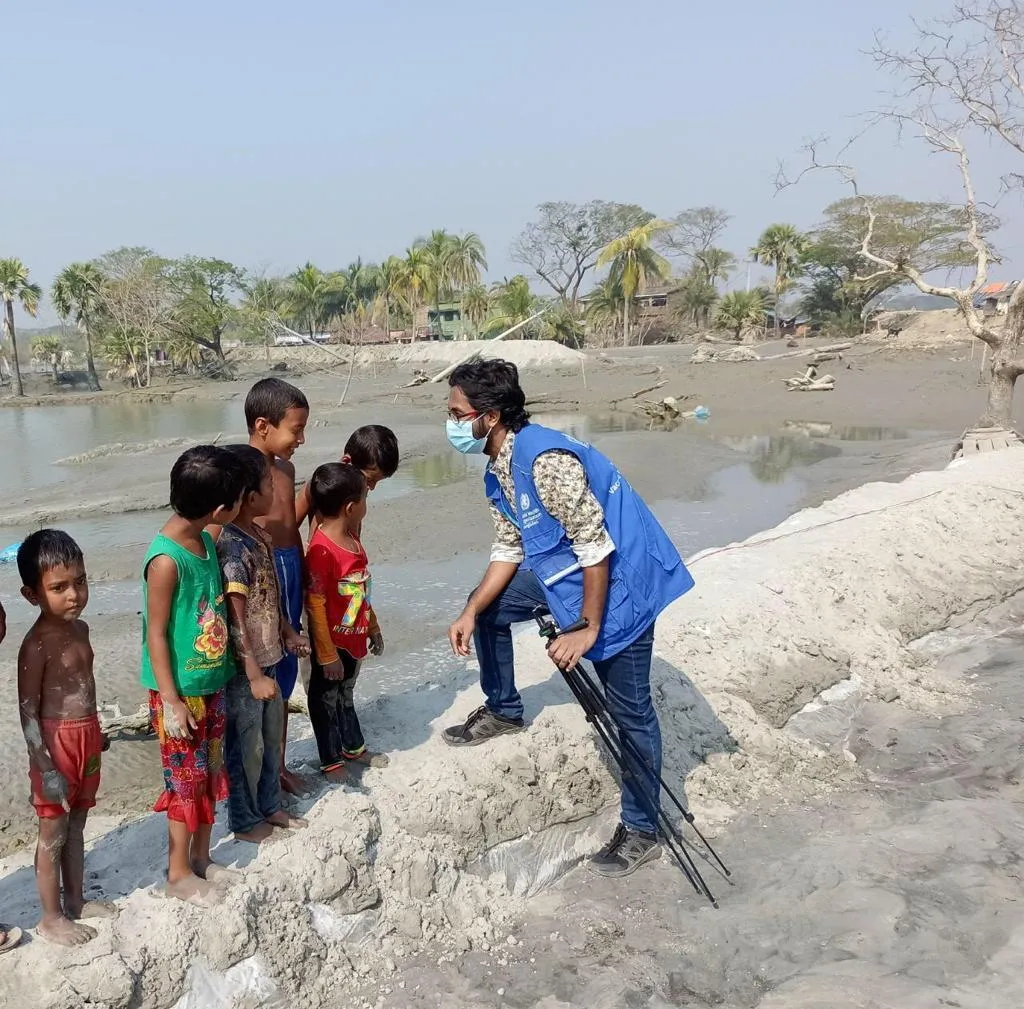
Before the Storm: WHO Prevents Health Emergencies
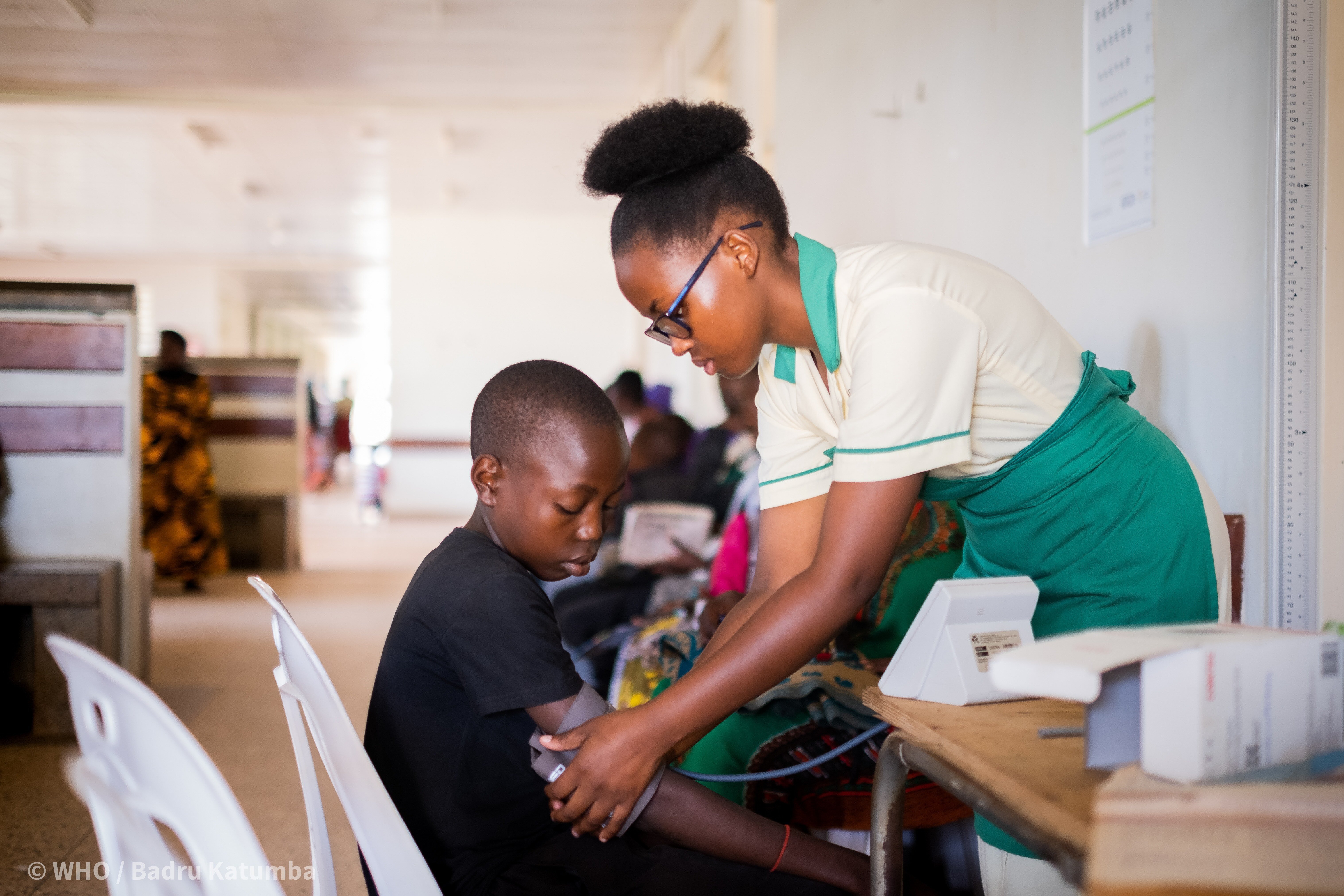
Basic Emergency Care

Emergency Care Saves Lives
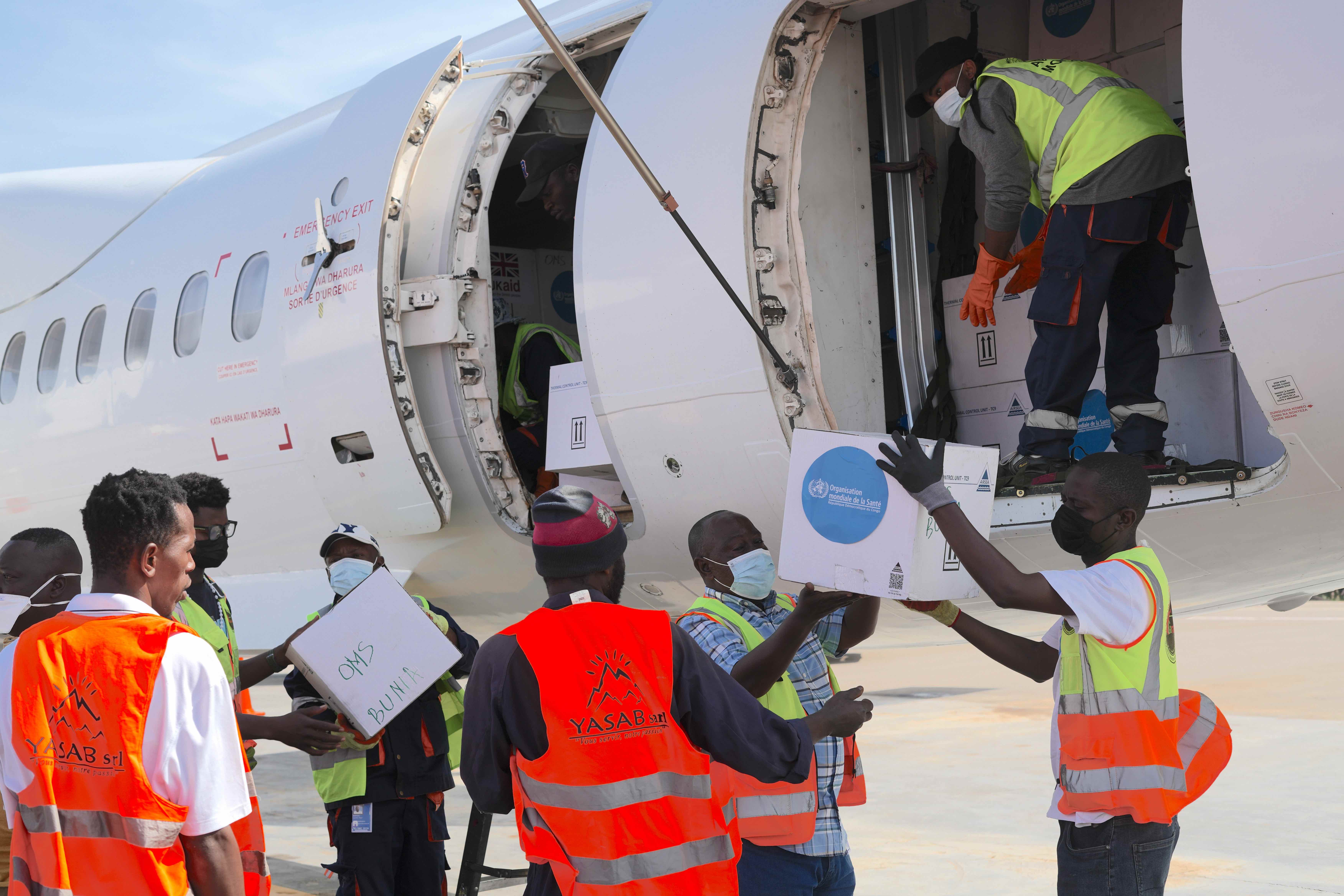
Prepare, Predict, Act: What the Ebola Outbreak Tells us About Emergency Preparedness
Ready to take action?
Your support makes a difference. Learn more about some of our focus areas.


Subscribe to our newsletter
Join our community to learn how your donations are changing people’s lives for the better.
By clicking Sign Up you're confirming that you agree with our Terms and Conditions.