Digital technologies are rapidly reshaping how people connect, learn and make decisions about their health. From immersive gaming worlds to algorithmically curated information feeds, such systems are now woven into daily life, particularly for young people.
On the margins of this year’s World Health Assembly, the WHO Foundation and Ithra Sync convened discussions on these issues, with participants agreeing that governance and public institutions are not keeping pace with the speed of digital change. Many described this governance gap as one of the defining public health challenges of the decade.
The question is no longer, “can these digital environments influence physical, mental and social wellbeing?”, but “how can we use digital platforms to increase health and well-being?” When do such platforms complement our social lives and increase connectedness, and what, if any, guard-rails need to be in place to protect young people’s mental well-being and maintain digital balance? In what way do digital platforms increase our knowledge, inform and empower action to improve our health and how can we navigate the maze of compelling, but often misleading, health-related advice in circulation? At a time when, according to WHO, one in seven young people aged 10-19 experiences a mental disorder, these questions invite urgent consideration.
Collaboration Across Sectors
Questions like these sit at the heart of the WHO Tech Task Force (TTF). Created during the COVID-19 pandemic, the aim of the taskforce is to bring health institutions, educators, policy makers, technology sector partners together to align technology-driven initiatives and harness innovative AI solutions in ways that drive global health priorities.
Now it’s being given a regional focus. In late 2025, the WHO TTF launched its Middle East and North Africa Regional chapter during a high-level Forum in Dhahran, Saudi Arabia. The two-day gathering was hosted by Ithra Sync in partnership with the WHO Foundation, and brought together tech leaders, researchers, and government partners from across the Gulf region, all committed to shaping a healthier digital future.
Discussions focused on the need for better evidence on the impact - and potential - of gaming, the need for clearer frameworks in the region for digital platforms as well as methods that health promoters need to adopt to increase trust in their information. Two tracks of research enquiry emerged: Gaming for Human Connection and Wellbeing and Health Misinformation. WHO’s digital health researchers, with input from a wider regional TTF, will develop guidance based on reviews of current evidence and the practical realities of today’s digital landscape.
Harness Digital Platforms for Health
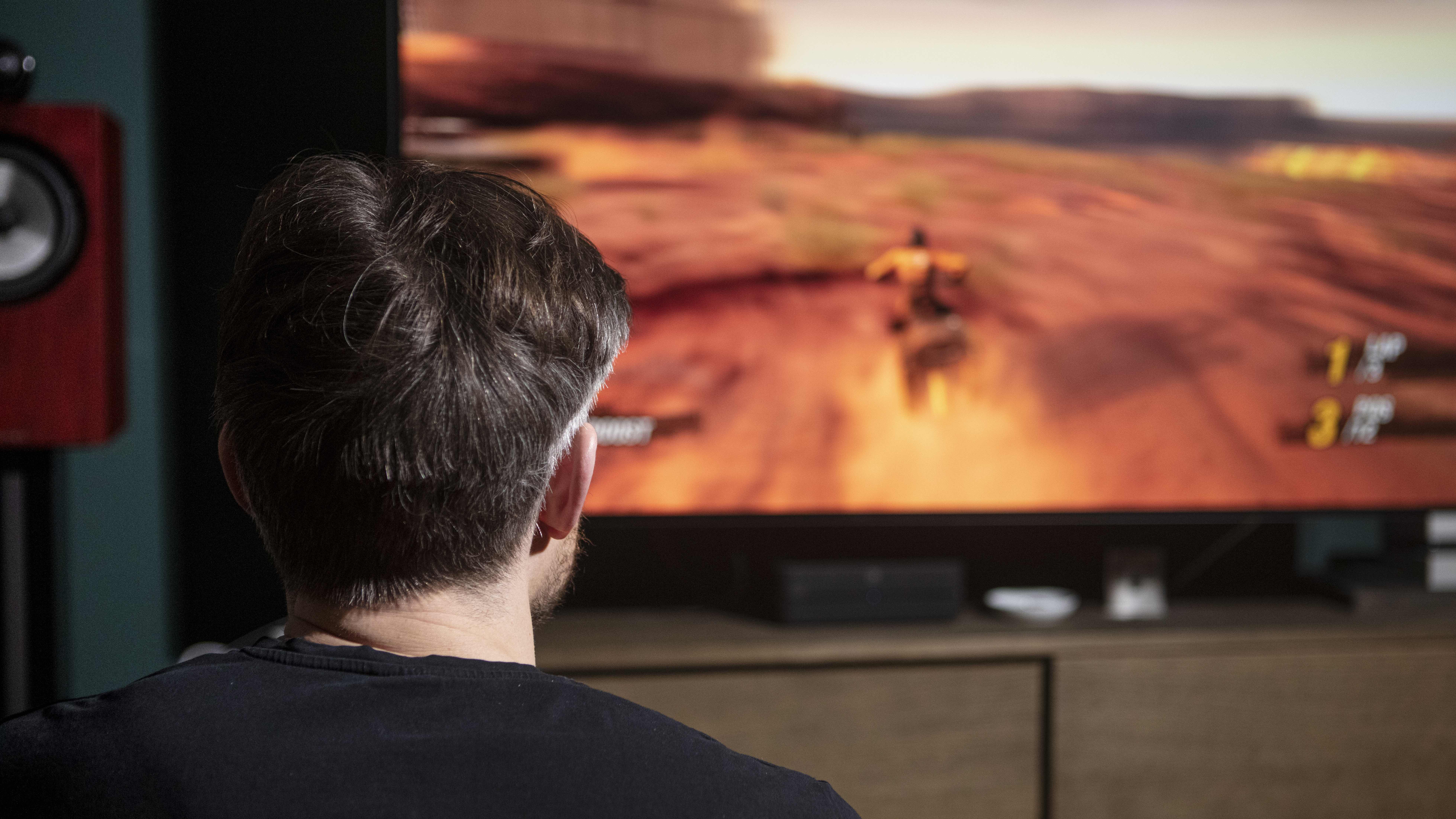
Gaming, once regarded as a hobby, is now a global powerhouse engaging millions daily. It is social, immersive, beloved by many and, for significant numbers of people, hard to switch off. Often cast as a public-health concern, excessive play has been linked to poorer mental and physical outcomes. For billions of people, gaming has also become a form of social infrastructure, one capable of fostering belonging, sustaining friendships and even sharpening cognitive skills. But can its powerful pull be harnessed to advance health goals, reduce feelings of social isolation and improve people’s wellbeing, while minimizing the health risks posed by excessive gaming?
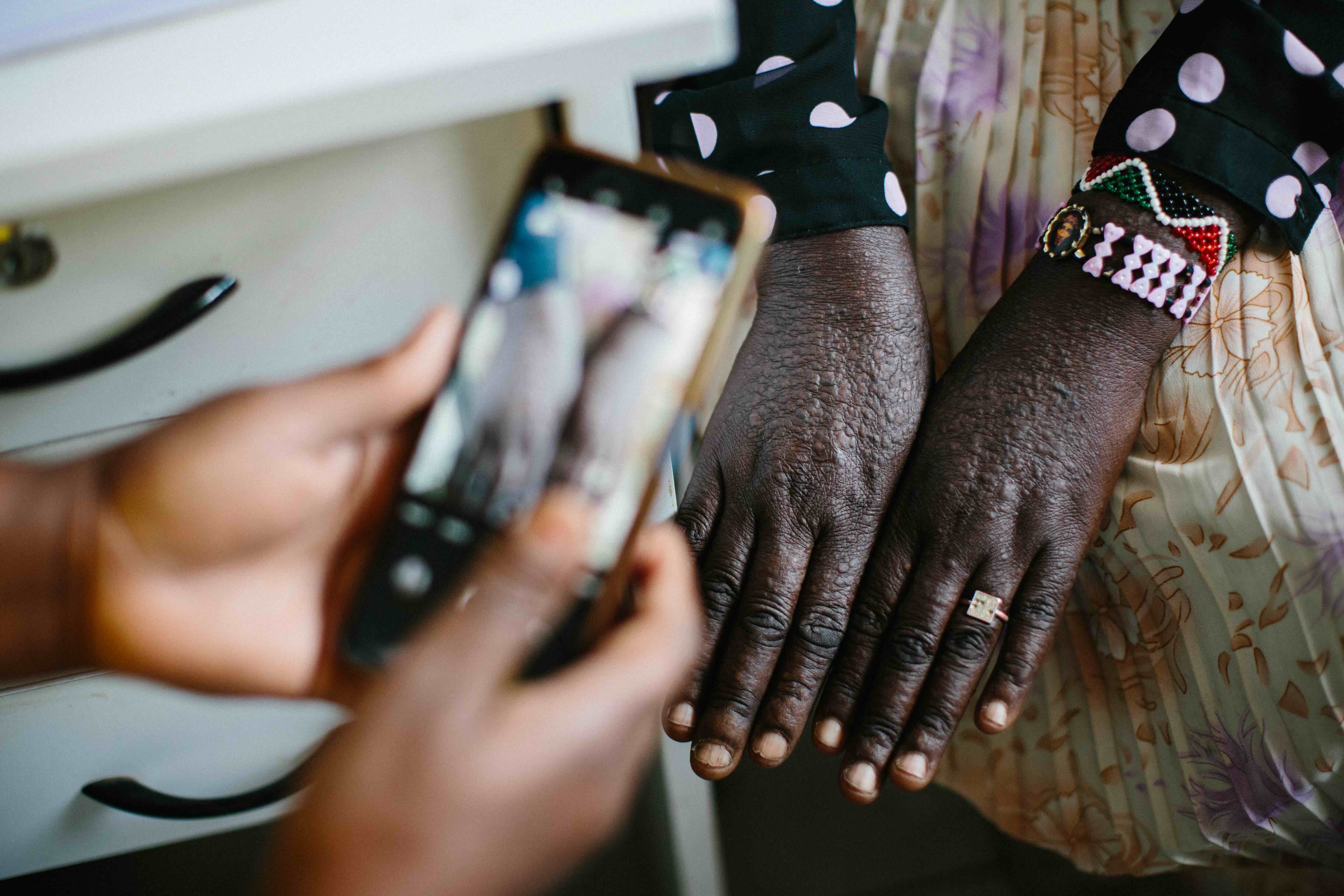
These issues are among those the WHO regional TTF will address squarely with the aim of making practical and actionable recommendations. The health misinformation track highlights a different but equally pressing challenge. In today’s digital ecosystems, false or misleading health information can spread faster and more persuasively than ever before. This has real-world consequences: influencing behaviors, eroding trust, and ultimately affecting health outcomes.
Empower Trusted Voices
Participants in the WHO TTF have emphasized the need for proactive, system-level approaches: using artificial intelligence to detect and limit harmful content before it spreads, strengthening digital and health literacy across all age groups, and empowering trusted voices, from doctors to community influencers, to communicate effectively in digital environments. The task force is, by design, a starting point rather than a conclusion. The harder challenge lies ahead: turning discussion into durable partnerships, evidence into policy and pilot projects into scalable solutions. Achieving meaningful change will require buy-in and coordination across sectors, technology companies, health institutions, educators, policymakers, and communities themselves.
The stakes are considerable. As digital systems become ever more integral to daily life, the health of those systems and the trust they command will increasingly shape the health of the societies that depend on them.
The WHO Foundation is partnering with Ithra Sync, a digital wellbeing initiative engaged in research into the impact of digital platforms. The collaboration will support WHO’s work to advance digital well-being globally.