Doctoral researcher Emily Quilter discusses how WHO’s AI-based skin health app can help health workers diagnose neglected skin conditions in places where specialist dermatologists are hard to find.
I first got involved with the World Health Organization’s Skin Neglected Tropical Diseases (NTDs) mobile app in 2024. The app brings together two artificial intelligence (AI) algorithms – one designed to identify 12 skin NTDs and the other trained on 24 common skin conditions.
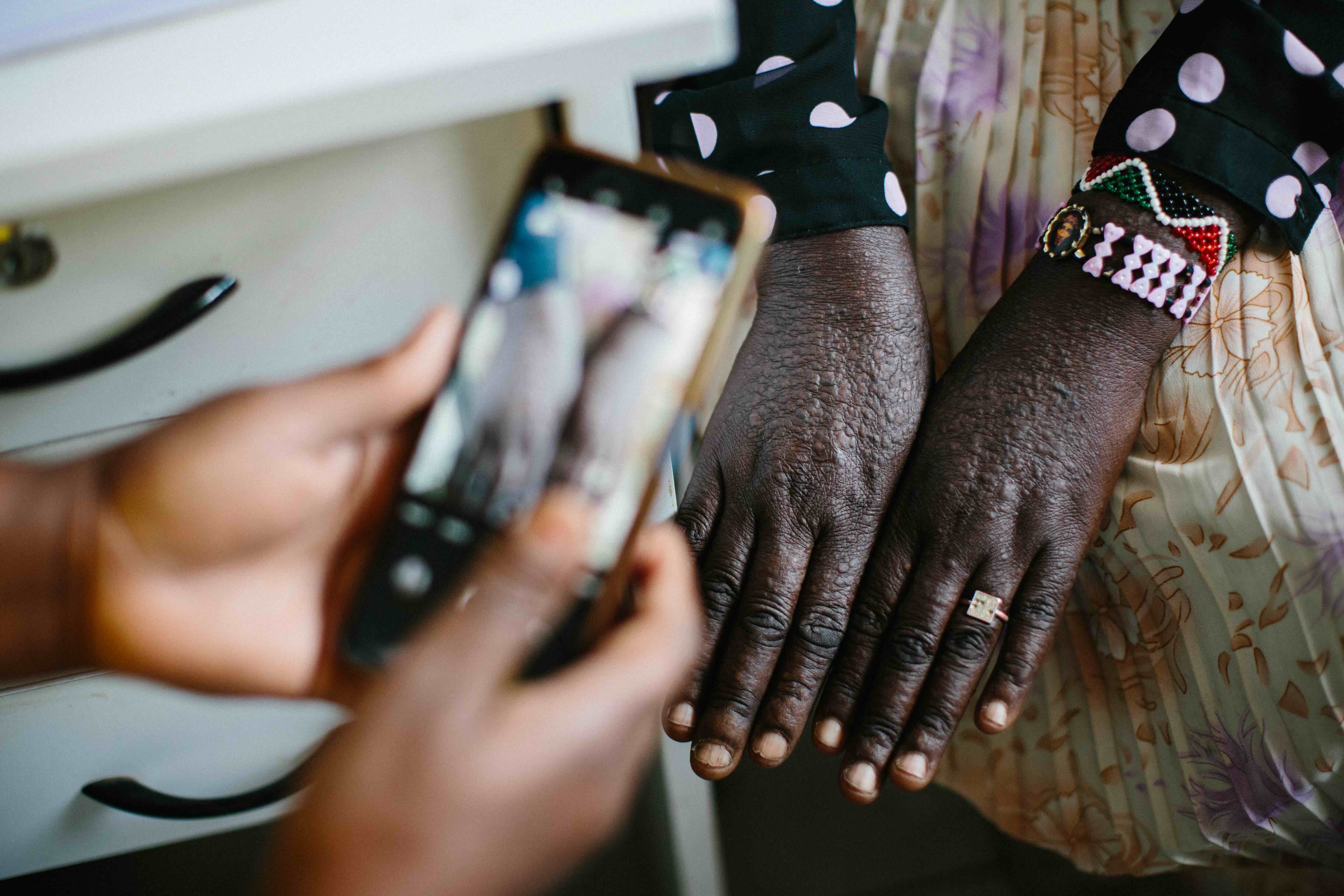
The frontline health worker (FHW) takes a photo of a patient’s skin lesion, uploads it into the app, and receives an AI-generated set of possible skin conditions that the FHW can then incorporate into their clinical reasoning.
Helping diagnosis
The tool is intended to support, not replace, clinical judgment. This is important because diagnosing skin conditions is inherently challenging. Dermatology is complex, and in many primary healthcare contexts FHWs are expected to manage a wide range of conditions without specialist training. In those contexts, the app has the potential to support clinical practice by broadening diagnostic thinking, suggesting alternative possibilities, and acting as an additional point of reference during consultations.
This broader context helps explain why WHO became interested in developing a diagnostic assistance tool like this. Skin conditions are among the most common reasons people seek care globally, yet access to specialist dermatology support remains uneven.
At the same time, many digital health tools are developed for settings with different resources, infrastructure, or cost structures. The WHO Skin NTDs app was developed as a freely available resource intended to support frontline health workers as part of routine care. For me, this was part of what made the project compelling: not simply the opportunity to study a new AI technology but to understand how tools designed for public health settings are experienced and used by the people they are intended to support.
There is a lot of excitement globally about AI in healthcare, and rightly so. Tools like the Skin NTDs app have the potential to support clinicians who don’t have access to specialist expertise, to encourage more reflective decision-making, and to provide an additional point of reference, particularly in more complex or uncertain cases. However, each of these benefits depend on how the tool is understood and used in practice. If it is seen as supportive it can enhance care, but if it is interpreted as authoritative there is a risk that FHWs could rely on the app, pushing aside their own valuable clinical judgment.
The app’s success also depends on the broader context in which it is used. Factors such as internet connectivity, time pressures, and existing clinical workflows all shape whether it can be meaningfully integrated into routine care.
Earning trust
Perhaps most importantly, it depends on people. Do clinicians trust the tool? Do they feel comfortable using it? And are patients at ease with it being part of their consultation?
These are not questions that can be answered through technical validation or diagnostic accuracy studies. This is why I proposed an additional strand of research to WHO, focused on understanding how the app is used in real-world settings. To know if the app is effective, I felt we needed to understand how a consultation unfolds, how decisions are made in real time, and how much the technology is used in everyday clinical practice.
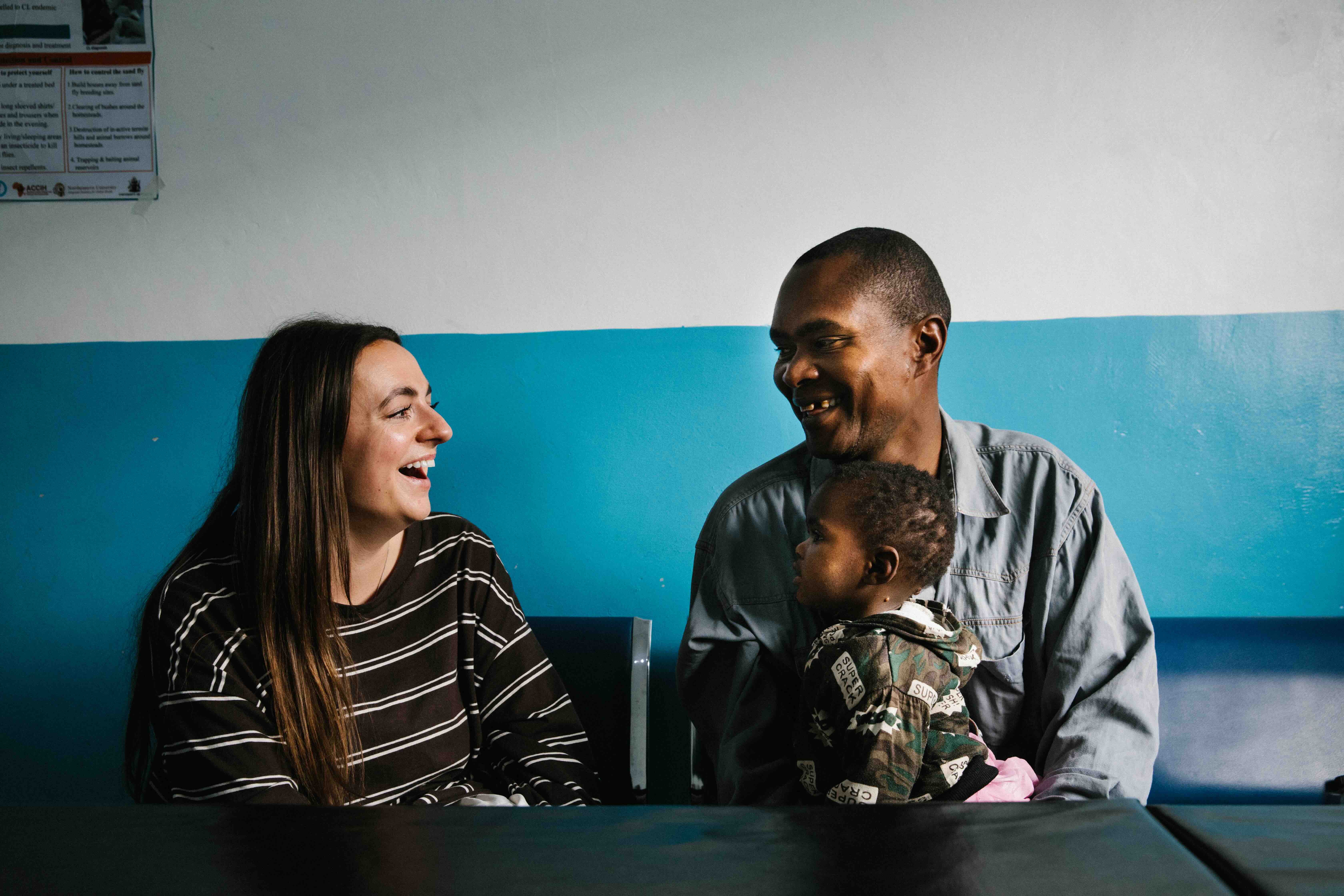
I designed and conducted an ethnographic study across healthcare facilities in Kenya, in collaboration with the Kenya Medical Research Institute (KEMRI) and WHO, spending extended periods of time with FHWs who had been trained in using the app. The aim was to look at how use of the app becomes part of routine clinical encounters, and, crucially, to prioritize the patient’s perspective.
This involved sitting in clinics and observing consultations, paying close attention to how and when the app was used within the flow of patient care, and then speaking directly with patients about their experiences.
Challenging stigma
Skin conditions are not only clinically complex but often associated with profound stigma and social exclusion. This shapes how and when patients seek care, how they experience their condition, and how they are treated within both community and clinical settings. This marginalization extends beyond their everyday lives into the data. Patients affected by skin conditions, particularly neglected tropical diseases, are often underrepresented in research, and their perspectives are rarely foregrounded in evaluations of new technologies intended to support their care.
It has been both a privilege and a responsibility to spend time in these settings and hear directly from patients. Many of the people I spoke with had been living with their condition for months – in many cases, years – often moving between different forms of treatment before finally making it to a health facility. They brought with them not only their symptoms but also their own understandings of their condition, shaped through their lived experience and interactions with different forms of care.
One woman came to the facility with persistent facial skin lesions and discoloration. She described experiencing stigma within her community, with some people suggesting she had HIV and others attributing the condition to bewitchment. Another patient had lived with widespread skin nodules for about 27 years and had never previously visited a health facility for his skin condition. He also lived with asthma and explained that limited financial resources meant making difficult choices about healthcare – when money was available, he prioritized treatment for asthma because it more immediately affected his ability to breathe and work.
These perspectives are not secondary to clinical knowledge. They form an essential part of how conditions are understood and managed in practice. Patients are not passive recipients of care. They interpret what happens during the consultation, they respond to the presence of new technologies, and they make sense of how these tools fit into their care journey. Their perceptions play a critical role in shaping whether technologies like the WHO Skin NTDs app are accepted, trusted, and ultimately effective in real-world settings.
There is currently a strong push to scale digital health solutions, to move quickly from development to implementation, and to bring promising technologies into widespread use. While this momentum is important, my work with WHO highlights the value of taking time to understand what is happening on the ground.
Without that understanding, there is a risk that technologies which appear effective in principle may not translate as intended into real-world care. The success of any healthcare innovation depends not only on whether it works but also on whether it is effective within the realities of care and for the health workers who use it and the patients it is meant to serve.
Emily Quilter is a PhD candidate at the University of Bristol focusing on digital health.
Supporting Better Skin Health
The WHO Foundation – in collaboration with L'Oréal Dermatological Beauty - is supporting WHO to improve skin health and increase access to diagnosis and treatment for neglected tropical skin diseases – including through the Skin NTD app.
Only one in six countries has sufficient dermatologists to meet the needs of its population, according to figures released by the Global Access to Skin Health Observatory – a joint program between the International League of Dermatological Societies and L'Oréal Dermatological Beauty.
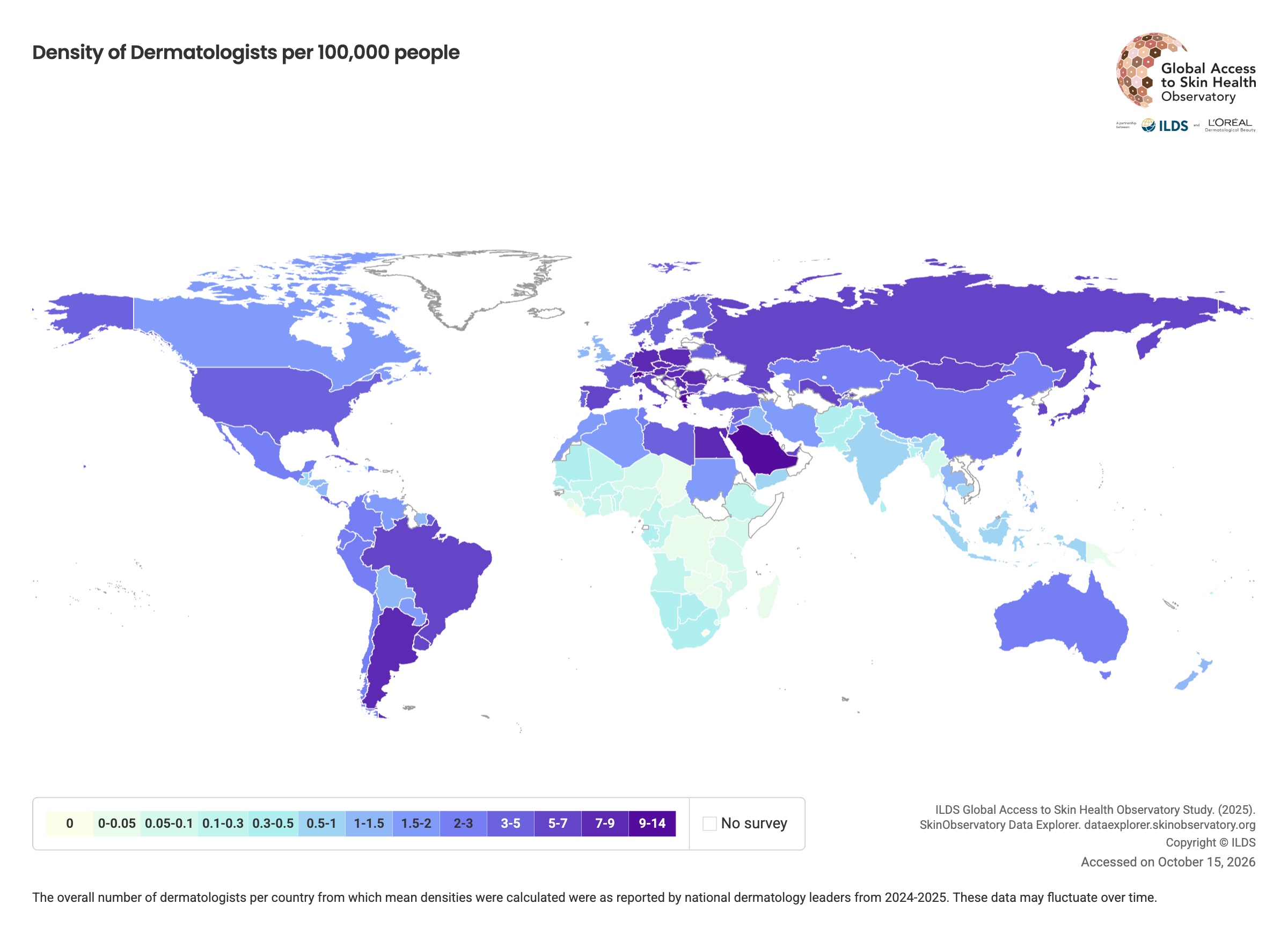
The findings provide the first comprehensive overview of access to dermatologic care across 194 WHO member states. The global benchmark study maps workforce shortages, training gaps and barriers to care for patients through an interactive data portal and downloadable findings that build the case for more equitable access to diagnosis and treatment.
https://skinobservatory.org/