What do WHO field staff do when faced with an outbreak of a virus that has no vaccine and no treatment?
They listen. And work to gain the trust of the people affected.
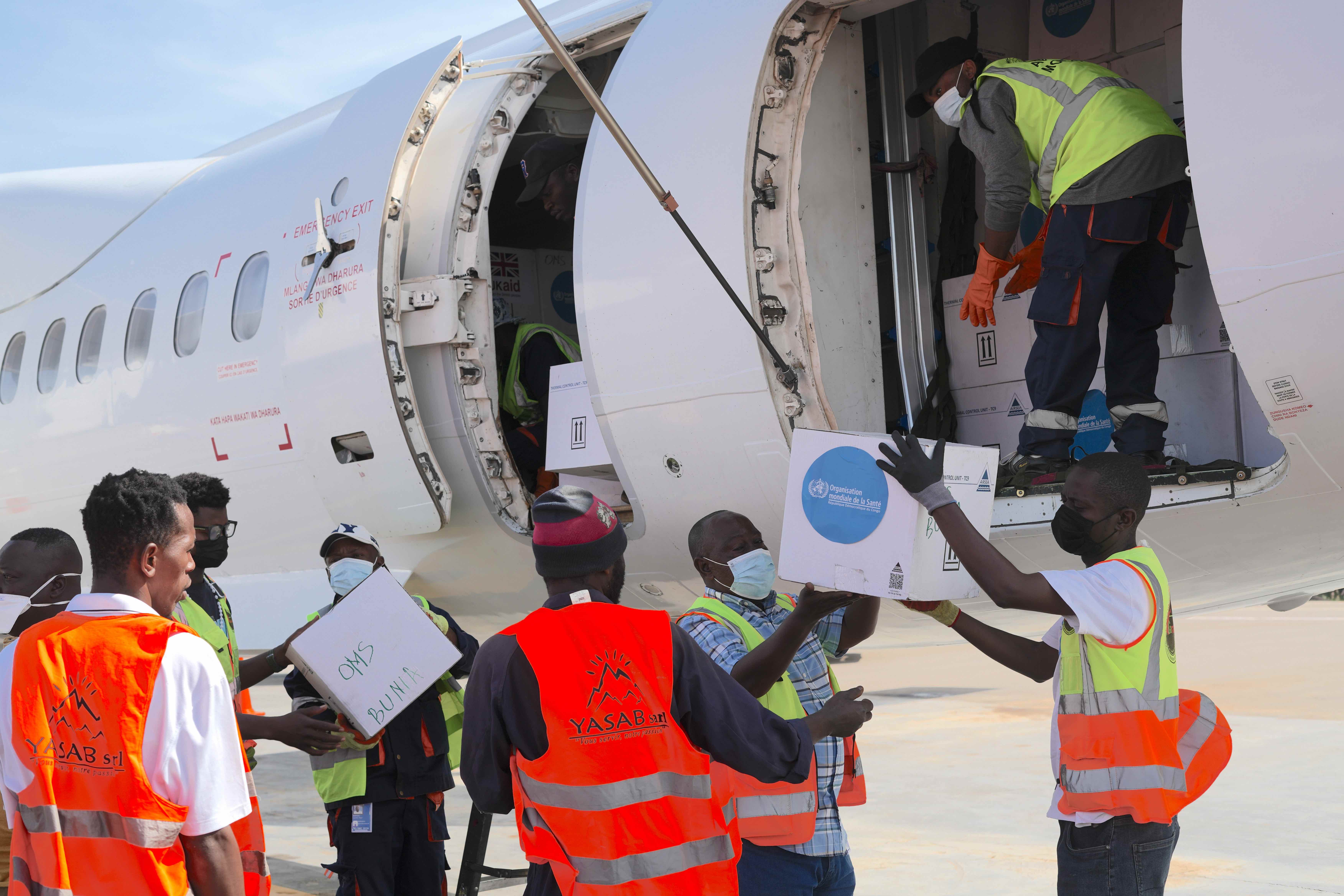
The Ebola outbreak in the Democratic Republic of Congo is accelerating. To date the World Health Organization reports more than 3000 confirmed cases, including more than 1200 deaths. There is no vaccine for the Bundibugyo strain of Ebola – the cause of the current outbreak– and no dedicated treatment. Like the COVID-19 pandemic in its early months, the response to the outbreak hinges – critically – on the actions of the people living through it. The realities of this outbreak are that family members will lose loved ones. They want to grieve them, to honor them, and they are expected to prepare their bodies for burial. This cherished custom in DRC is also a moment of significant risk. Ebola spreads through close contact and endangers the lives of people who prepare the bodies of people who have died from the virus. WHO understands there is a balance between protecting people, respecting their concerns and honoring their practices. That’s why listening hard to community concerns is just as important as setting up treatment clinics. Without this, measures to control the outbreak will fail.
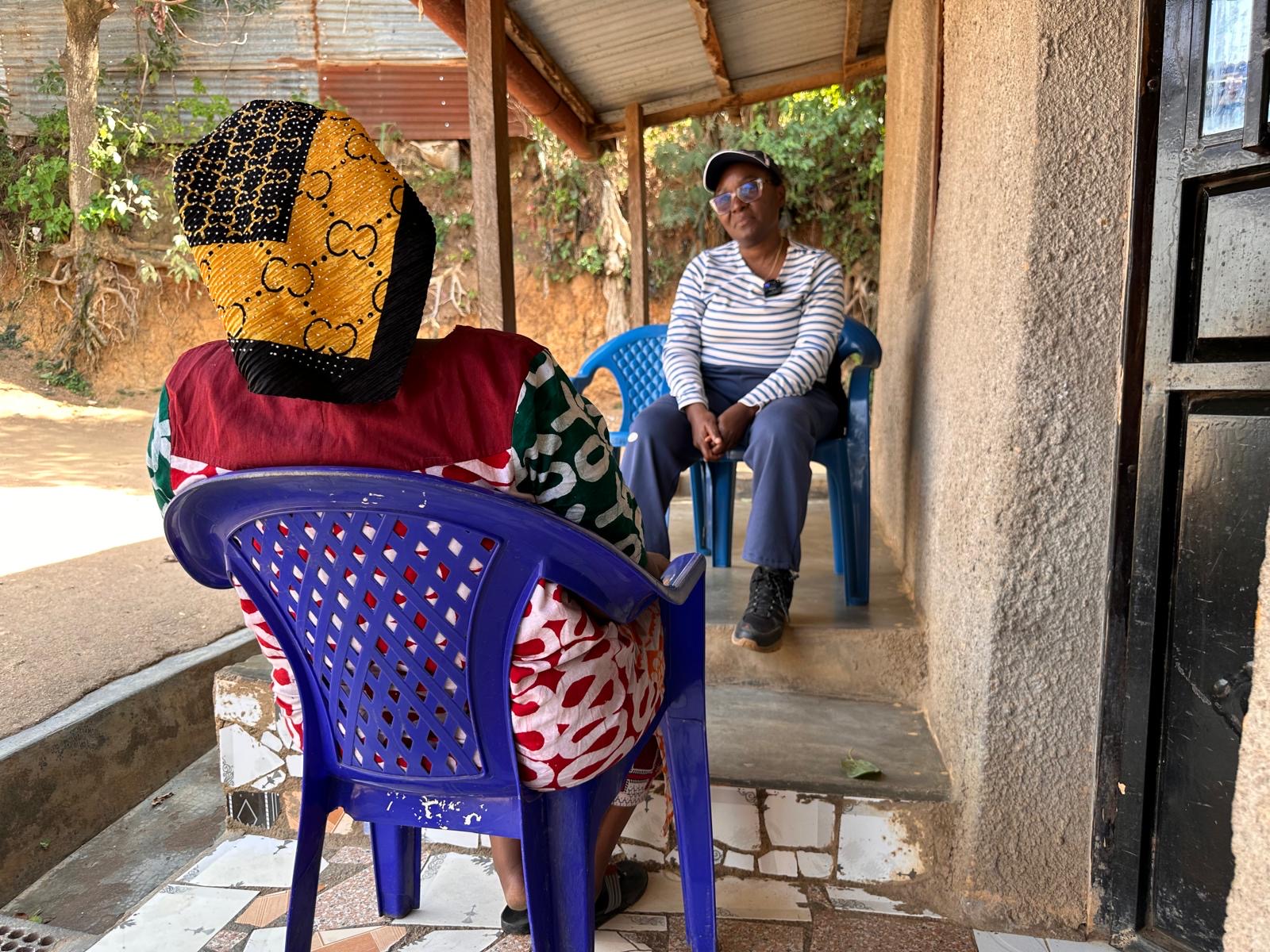
At the daily stand-up Ebola coordination meeting, WHO staff member Julienne Anoko brings the community’s grief, concerns and rumours about the Ebola virus into the room. Her job is to make sure they carry as much weight as the latest infection forecast. Her work as a WHO risk communication community engagement officer focuses on two things: listening to people’s fears and understanding who they trust with their lives. “When I arrive in a community, I always give the floor to the community health worker or community leader to introduce me,” she says. “I show empathy all the time and listen actively to the family.” Julienne knows that people are twice as likely to accept an instruction they find hard - such as not to touch or wash a body - and to wait for a burial team if they hear it from a trusted source - a religious or known community leader, rather than a health official. “My role is essentially to act as a bridge between the communities and the response teams,” Julienne says, “ensuring that interventions are not only technically sound but also socially accepted and trusted.”
Trust needs to be earned through the sustained engagement of the people working on the response - both local and international health workers. As WHO Director General Dr Tedros Adhanom Ghebreyesus put it when he described overcoming the 2018-2020 Ebola outbreak in the DRC.
"When we listened, when communities felt respected and heard, things began to change. Trust grew slowly, then more quickly. People came forward. And together, we managed to contain the outbreak."
Trust is the key to successful infection control measures such as disinfecting homes, tracing an infected patient's contacts, asking people to refrain from touching the bodies of their deceased loved ones, and isolating patients. That’s why the role of communities is at the centre of the joint WHO–Africa CDC response plan to end the Ebola outbreak in the DRC.
How WHO is promoting community involvement
- Training over 21,000 community workers to carry out frontline containment and care
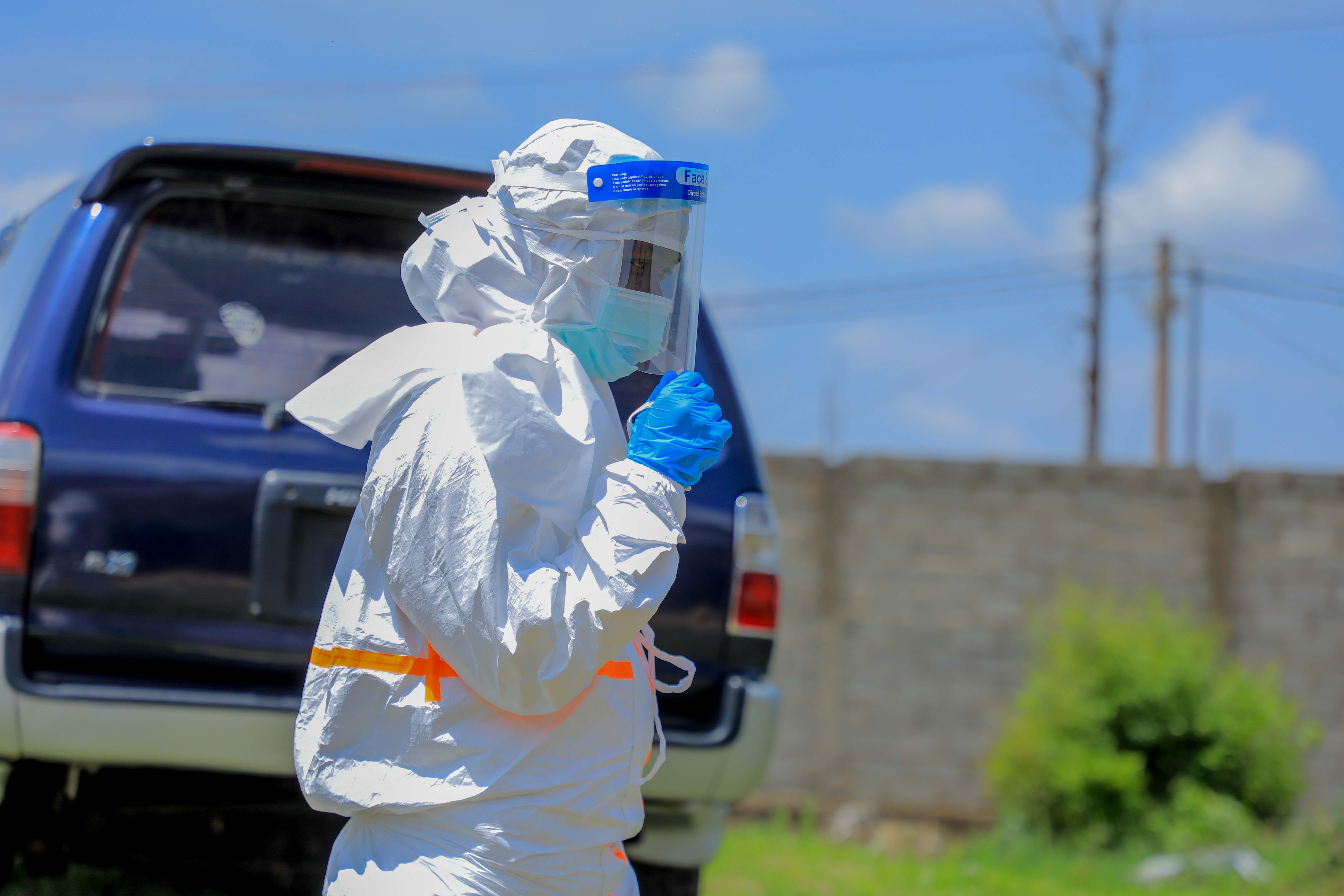
- Conducting safe and dignified burials in partnership with families and communities
- Building sustained relationships and two-way communication so communities feel respected and heard, not just instructed
Thousands more people are needed in more provinces to replicate the exhausting but rewarding daily work that Julienne Anoko is doing with the help of the communities most affected.To meet these needs, the response needs to be scaled up.
Infections are still rising; meanwhile the joint WHO–Africa CDC Continental Preparedness and Response Plan still faces a funding gap of more than US$400 million.
The WHO Foundation supports WHO Health Emergencies Program by mobilizing resources from donors and individuals. Donate today
For more information about ways to support WHO's Health Emergencies Program contact Silvia Rossini,
.jpg)