Most of us only think about a health emergency once it has begun. But by then, some of the most important decisions have already been made.
Health emergency preparedness, meaning the supplies, teams, skills and systems put in place long before a crisis, is what decides how many lives are saved. With no way of knowing where or when the next crisis will strike, the WHO Health Emergencies Programme works to ensure that people, supplies and systems are ready to save lives when they are needed most. Put simply: Being ready saves lives.
The WHO Foundation, the official fundraising partner to the World Health Organization, raises funds to make that readiness possible. Donate today and help us be ready for the next emergency.
What is health emergency preparedness?
Health emergency preparedness means having people, supplies and systems in place before a crisis, so that a response can begin within hours rather than weeks.
• pre-positioned medical supplies
• trained emergency medical teams
• mental health support from day one
• emergency vaccination
• trauma care training
• early outbreak detection
Pre-positioned medical supplies
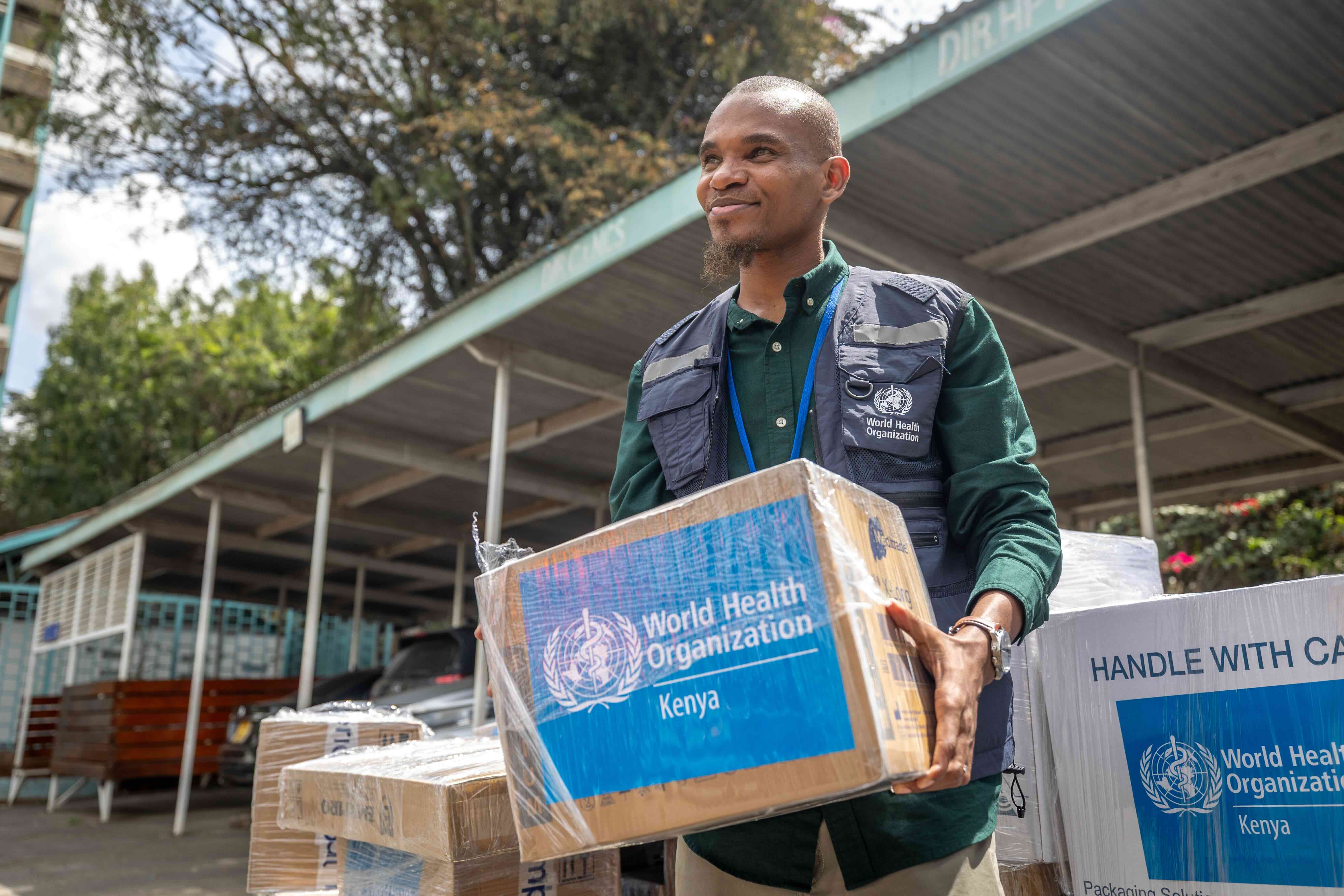
In a crisis, delays in delivering supplies mean lives lost, which is why medical stocks must be in place for rapid dispatch.
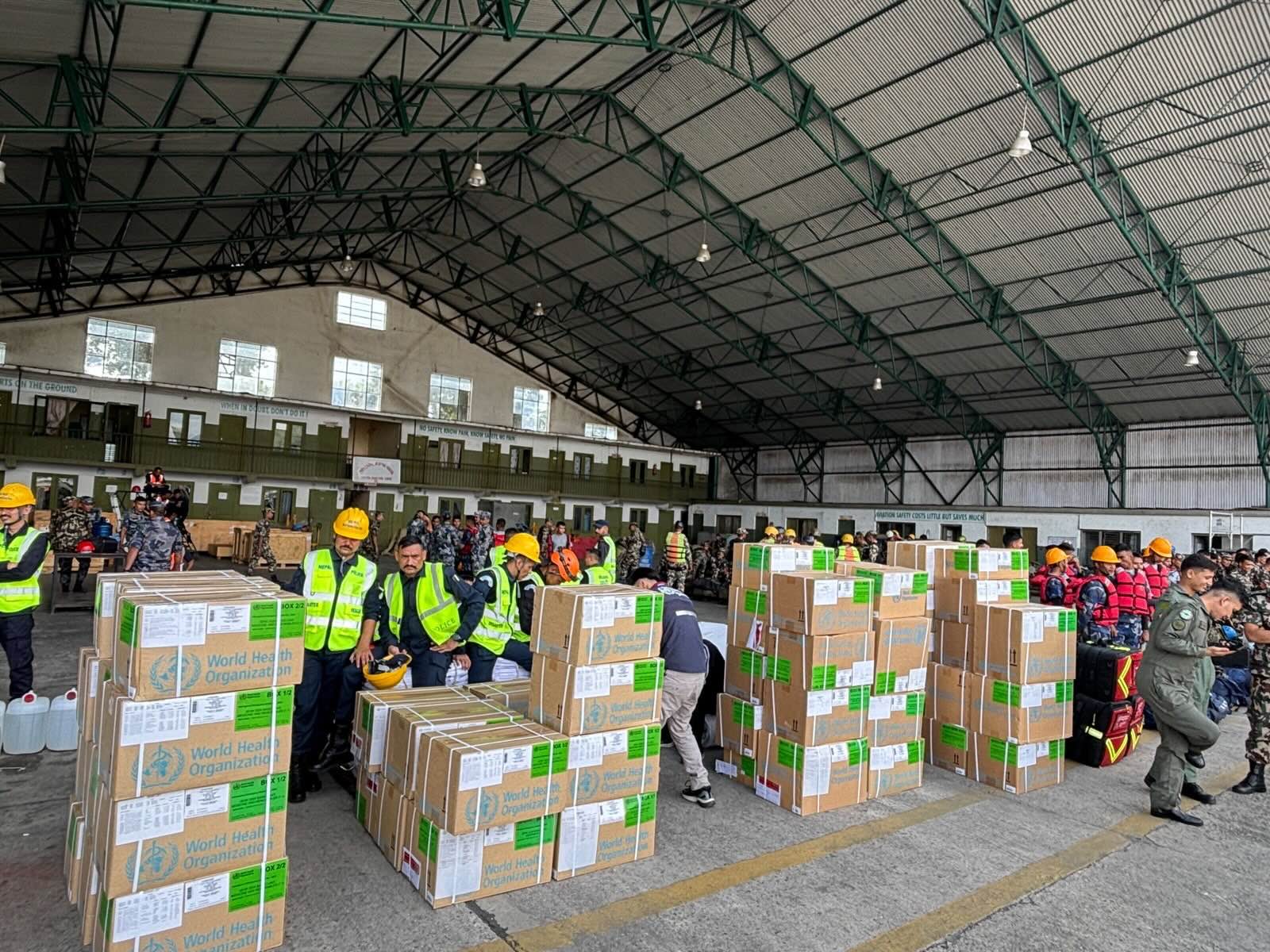
Despite treacherous conditions, WHO’s medical supplies reached the disaster zone in Nepal only 12 hours after the devastating floods struck in August 2026. The stocks were pre-positioned in the capital Kathmandu. Speed was essential: health facilities had been cut off by flood waters, and thousands of people needed treatment for fractures, wounds from collapsed structures and hypothermia from the freezing waters.
When Ebola caused by Bundibugyo virus was declared in the Democratic Republic of the Congo in May 2026, WHO delivered 11.5 tonnes of supplies within 72 hours from Kinshasa and its strategically positioned regional hubs in Dakar and Nairobi, and more than 35 experts and first responders were in the field. These warehousing hubs have cut delivery times for supplies from weeks to days and reduced costs by up to 75%.
In March 2025, within 24 hours of two powerful earthquakes striking Myanmar, WHO sent nearly three tonnes of trauma kits, medical supplies and tents from its emergency stockpile in Yangon to hospitals in Mandalay and Nay Pyi Taw. A 60-tonne shipment followed, including 197 emergency health kits, 280 trauma and surgery kits and 60 medical tents. The tents served as mobile clinics, providing essential care.
Every one of these deliveries depends on stock that was bought, stored and positioned before anyone knew it would be needed. Gifts to the Rapid Response Fund help WHO start responding to a crisis within hours.
Give to the Rapid Response Fund
Ready-to-go emergency medical teams
Relief medical teams can slot in quickly if they have been trained, approved and coordinated long before the call comes. Certifying and training these teams is the essential work that WHO carries out before a crisis hits.
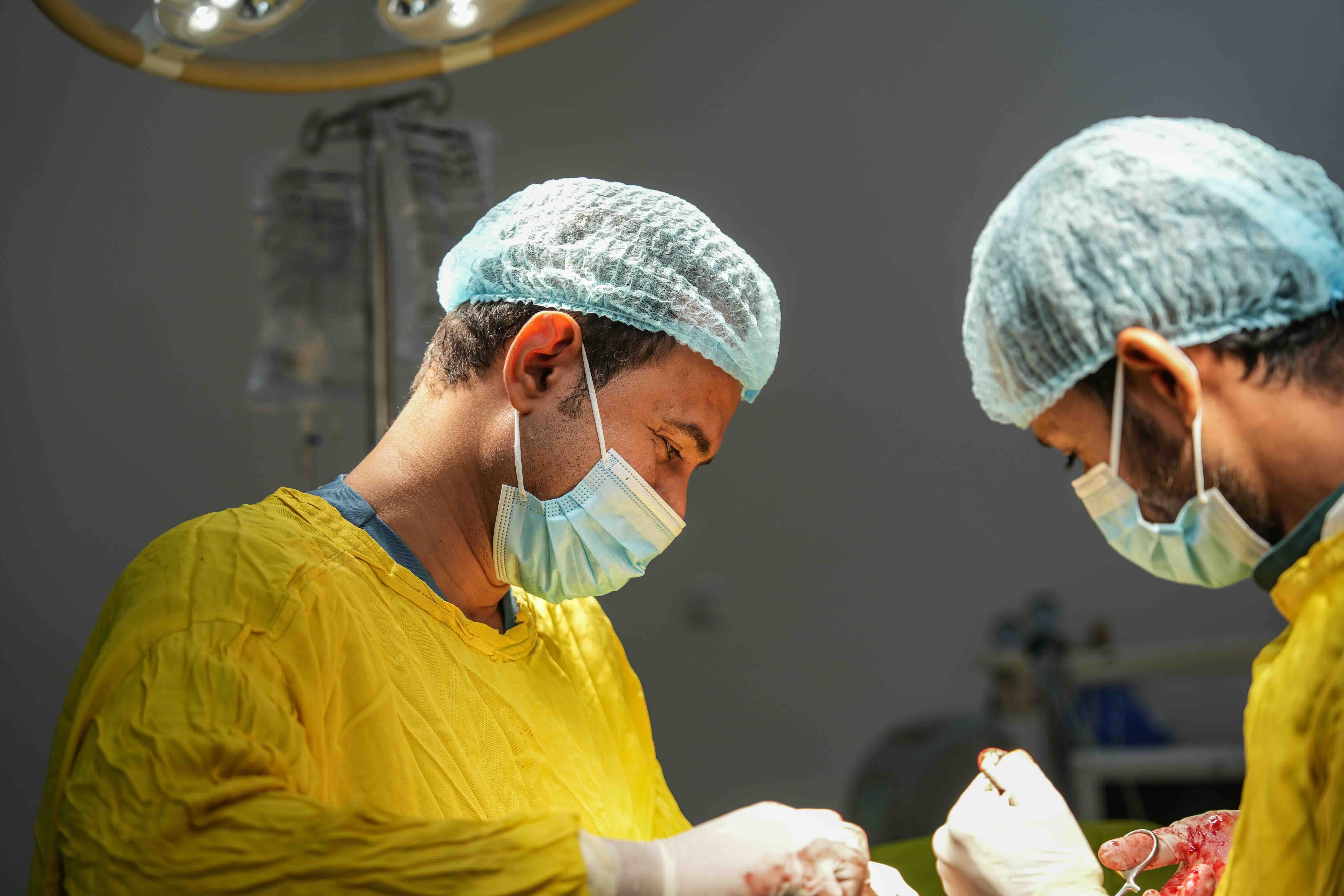
Local hospitals can be overwhelmed within hours, and health workers are often grappling with loss and injury themselves. WHO coordinates the international Emergency Medical Teams initiative
So that trained teams from around the world can reinforce a national response without getting in the way of local services. After the 2023 earthquakes in Türkiye and Syria, 39 WHO-approved teams from 22 countries deployed to support damaged hospitals and those treating large numbers of trauma patients. It was the largest such deployment in the WHO European Region’s 75-year history.
In Gaza, where large numbers of health facilities have been damaged by air strikes, WHO-coordinated emergency medical teams had provided more than 3.5 million consultations by September 2025.
Mental health in emergencies, from day one
Conflict, displacement and loss can lead to anxiety, depression and long-term trauma, especially when people are cut off from support systems. WHO doesn’t wait until symptoms appear. It trains medical staff and community members to care for mental as well as physical health.
After the August 2026 floods in Nepal, the damage is psychological as well as physical. Children, in particular, can find it difficult to express their fear and distress.
WHO is helping make sure people on the ground are ready to respond. In a WHO-supported programme, 110 school health nurses, clinical nurses and teachers across three districts had attended training by mid-October. They learned to recognise distress in children, offer basic support and make referrals for those who need specialist care. Mental health training takes time and calls for specialist input, so it cannot be improvised once the crisis has begun. Read more about our work on mental health.
Emergency vaccination: protecting vulnerable people from disease
Vaccination is one of the most effective ways to protect people during health emergencies. Mass vaccination campaigns in crisis zones call for careful planning, logistical coordination and risk assessment.
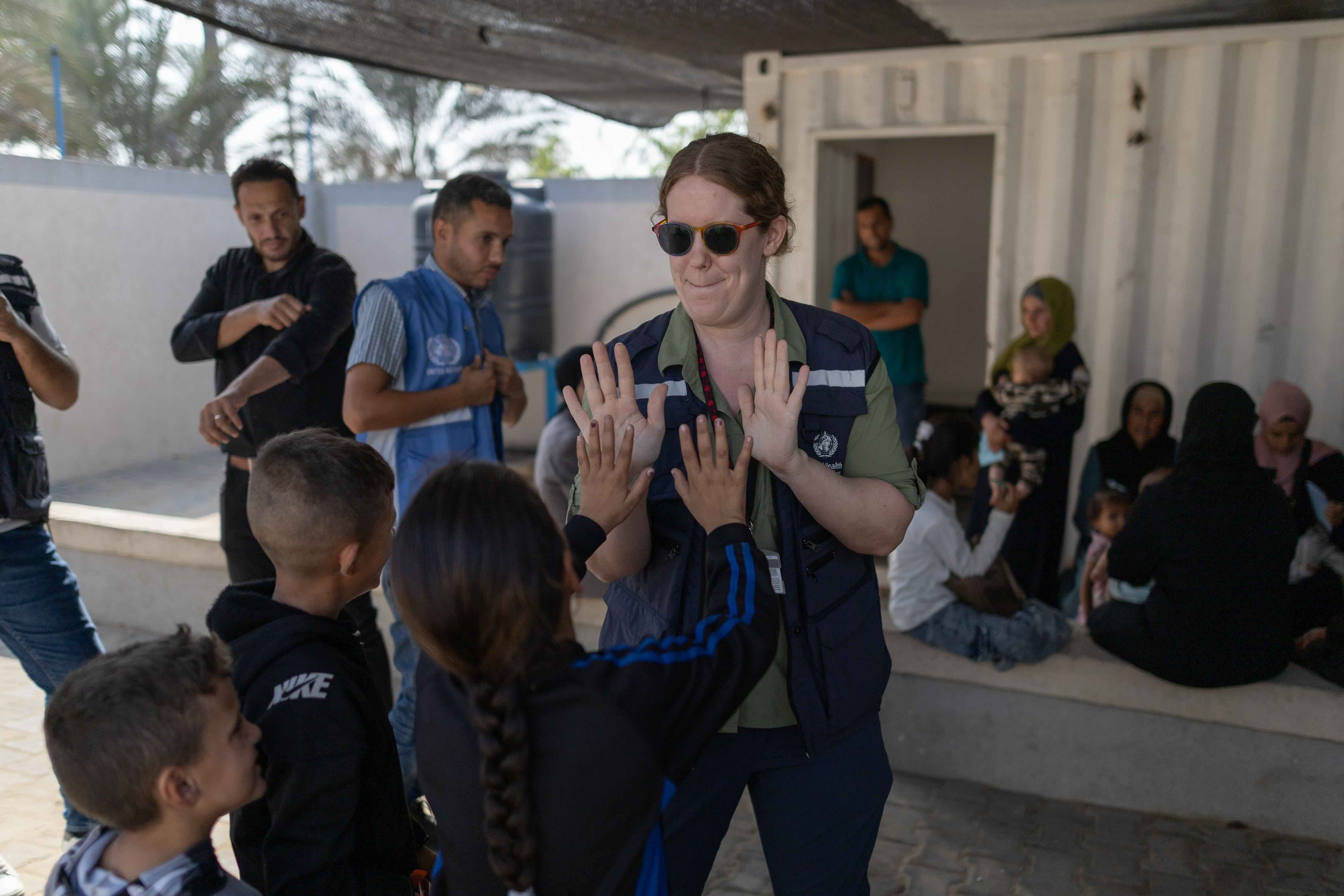
More than 6,000 children under 3 years old in Gaza at risk of polio were reached by 170 vaccination teams during a WHO-supported five-day catch-up vaccination campaign in 2026. You can support our Vaccination in Emergencies campaign to help reach children like these.
“Parents couldn’t protect their children from airstrikes or hunger. But they believed they could protect them from polio, and they did.”
Dr Refqa Skaik, WHO Surveillance Officer, occupied Palestinian territories
Trauma care training that works in the first 30 minutes
When an airstrike, earthquake or flood strikes, hesitation costs lives. WHO trains healthcare staff to adapt quickly to crisis situations.
In a crisis, quick decisions are needed. Patients must be triaged to work out whose life is most in danger. That’s why WHO trains doctors, nurses, paramedics and other healthcare staff in mass casualty management in emergency settings. In Ukraine and neighbouring Moldova, WHO has organised a series of tailored trainings for surgeons and other hospital staff working in emergency units during the conflict. The focus is on getting the protocol right during the first 30 minutes after an incident is announced.
Outbreak detection: catching outbreaks before they spread
Spotting an outbreak early can stop it from spreading.
At WHO’s Hub for Pandemic and Epidemic Intelligence in Berlin, WHO has invested in AI capabilities to scan thousands of public online sources every day for signs of emerging health threats. Each month, WHO identifies around 4,500 possible public health events. In Africa, nearly half of reported events between 2018 and 2023 were spotted this way before countries officially notified WHO.
Help us be ready for the next emergency
No one knows where the next crisis will strike. What we do know is that the lives saved will depend on what is already in place: supplies positioned, teams trained, communities protected and warning systems running. Your gift helps make sure that when the call comes, we are ready.
• Give once or monthly. Monthly gifts can be changed or stopped at any time. Become a monthly donor.
• Support the Rapid Response Fund. It helps WHO’s Contingency Fund for Emergencies start responding to a crisis within hours.
• Give where it is needed most. Your gift goes to whichever part of WHO’s emergency work needs it most at the time.
https://www.who.foundation/donate
Being ready saves lives. Help us be ready for the next emergency.