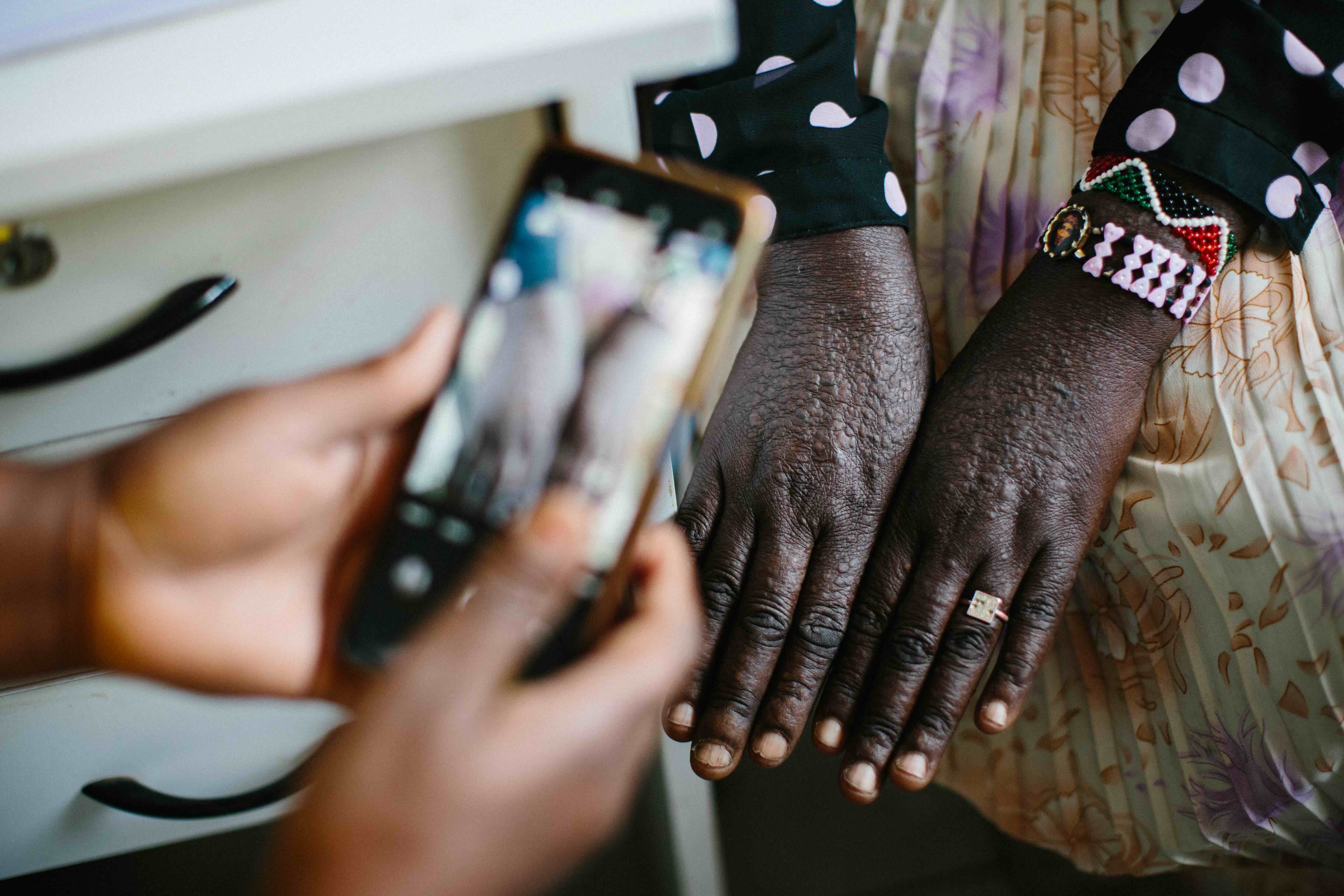
Inside the Dhaka North City Corporation (DNCC) Hospital in Dhaka, Bangladesh a low hum of machines mixes with the shallow breathing of children. Jobayda sits on a narrow bed, holding her 10‑month‑old daughter, Arisha. She tries to place the nebulizer gently against her child’s face, to administer a mist of medicine to help her breathe. Arisha cries and pushes it away. Small red measles spots are spread across Arisha’s skin, joining together on her cheeks. “At one point, her eyes closed, she grew weak and lifeless, breathing only heavily,” Jobayda said. “We were afraid and rushed her to the hospital.”
The measles outbreak in Bangladesh is being called one of the most lethal in the country’s recent history. Health officials say it began in January 2026, with the first case reported in the Rohingya camps at Cox’s Bazar, a city on the country’s southeast coast. Since then, the disease has spread to 61 out of 64 districts. Children are particularly susceptible. By the middle of April 2026, there were more than 19,000 suspected measles cases in the country, according to the World Health Organization (WHO), including 166 suspected measles-related deaths and 30 confirmed. Most of the cases – 79% – are children aged under 5. That’s a huge jump from 2025, when there were 125 measles cases in total recorded over the entire year.
Health officials are seeing these kinds of numbers all over the world. Once thought to be on the brink of elimination, measles is surging again. According to the most recent WHO data, there were more than 476,000 reported measles cases globally in 2024. That represents a drop in annual cases since 2023, when there were nearly 670,000 cases. But it is still more than double the number of cases the world saw in 2022.
Resilient health systems needed
Immunization remains the strongest defense against measles – with an estimated 59 million deaths averted between 2000 and 20024, according to WHO. The challenge is not only efficiently delivering vaccines, but building and sustaining systems that can hold up under pressure. This includes local, regional and national vaccination programs as well as global surveillance systems such as the Global Measles and Rubella Laboratory Network (GMRLN), which connects more than 700 laboratories in 190 countries to ensure rapid, accurate testing and global data-sharing for measles, rubella and other infectious diseases.
At the DNCC Hospital in Dhakal, which has admitted hundreds of suspected measles patients in just the past few months, Dr Mohammad Asif Hayder said that measles elimination targets rely on systems that can detect and respond to outbreaks and sustain the public’s trust in medicine.
“With strong vaccination, isolation, and awareness, measles can be contained,” he said. “The lesson is simple: only a resilient health system can protect children when outbreaks strike.”
Unexpected outbreak
The outbreak in Bangladesh took everyone by surprise. The country had been on track to reach measles elimination by the end of this year and was seen as a model for vaccine coverage, with more than 95% of children receiving their first measles shot. WHO notes that coverage with the second vaccine dose in Bangladesh was improving until 2024, when a combination of disruption to routine immunization campaigns due to COVID and a nationwide shortage of measles vaccine stocks resulted in more children missing one or both doses.
That drop-off highlights multiple stress points in Bangladesh’s vaccination program that also exist in many others around the world. NGOs and health workers say many parents in Bangladesh skip their children’s second measles vaccine, either because they have no clinics nearby and traveling to one takes too much time and money or because misinformation has led to a rise in vaccine hesitancy.
And there are infrastructural challenges. The vaccine needs to be kept in a “cold chain” at between 2°C and 8°C. Although 99% of Bangladesh’s population has access to electricity, the country experiences frequent power cuts, making conventional refrigerators unreliable for storing the vaccine. Health workers may have to rely on solar-powered fridges and insulated carriers. Another issue is the lack of dedicated spaces to administer the vaccine. “We have no permanent local vaccination centers, so doses are being given under trees, in someone’s yard, or on the veranda of a madrasa (school),” said one hospital assistant in Dhaka who asked not to be identified.
Emergency measures in place
In an effort to slow down the measles surge in Bangladesh, the Ministry of Health and Family Welfare (MoHFW) is carrying out a wide-scale emergency vaccination campaign. It temporarily lowered the minimum age for immunization so that the campaign could focus on children aged 6 months to 5 years, who are most vulnerable. With support from WHO and UNICEF, who are helping organize and deliver the vaccines, and donors including Gavi, the Vaccine Alliance, the vaccination drive began in hotspots on 5 April and expanded nationwide on 20 April, according to WHO.
How quickly this emergency response can tame the outbreak remains to be seen. What’s certain is that rapid urbanization and the impacts of climate change are increasing the risks of disease outbreaks everywhere. As the health community has been warning since the COVID pandemic: It’s not a matter of if, but when. Building and maintaining robust health systems is key to protecting people around the world.
Reporting by Zakir Hossain Chowdhury in Dhaka