This World Immunization Week, Dr Beatrice Vetter, virologist and head of strategic partnerships at the WHO Foundation, explores the connections between a pump handle, more than 750 infectious disease surveillance laboratories and a rise in measles outbreaks.
In 1854, the physician John Snow famously mapped the occurrence of cholera cases to addresses in the London district of Soho.
The outbreak had killed more than 600 people. John Snow noticed the cases were clustered around one water pump in Broad Street. To test his hypothesis that the outbreak and the pump were connected, and to stop people collecting drinking water, he had the pump handle removed. This was a brilliant and a radical move. Against the prevailing medical consensus at the time (cholera was attributed to ‘bad air’), John Snow had linked a disease outbreak to a water source. He went on to create a precise map of cholera cases in homes around the vicinity of the pump. His actions paved the way for the development of the fields of epidemiology - studying patterns and distribution of disease - and disease surveillance, collecting data on who is infected and where the infection occurs.
In John Snow’s London very little was known about how infectious diseases spread. By removing the handle of the pump, he was able to demonstrate that outbreak’s origin was linked to contaminated water. Nonetheless a more efficient method than removing every pump handle would be needed in the future to protect people at scale.
Pioneering track and trace
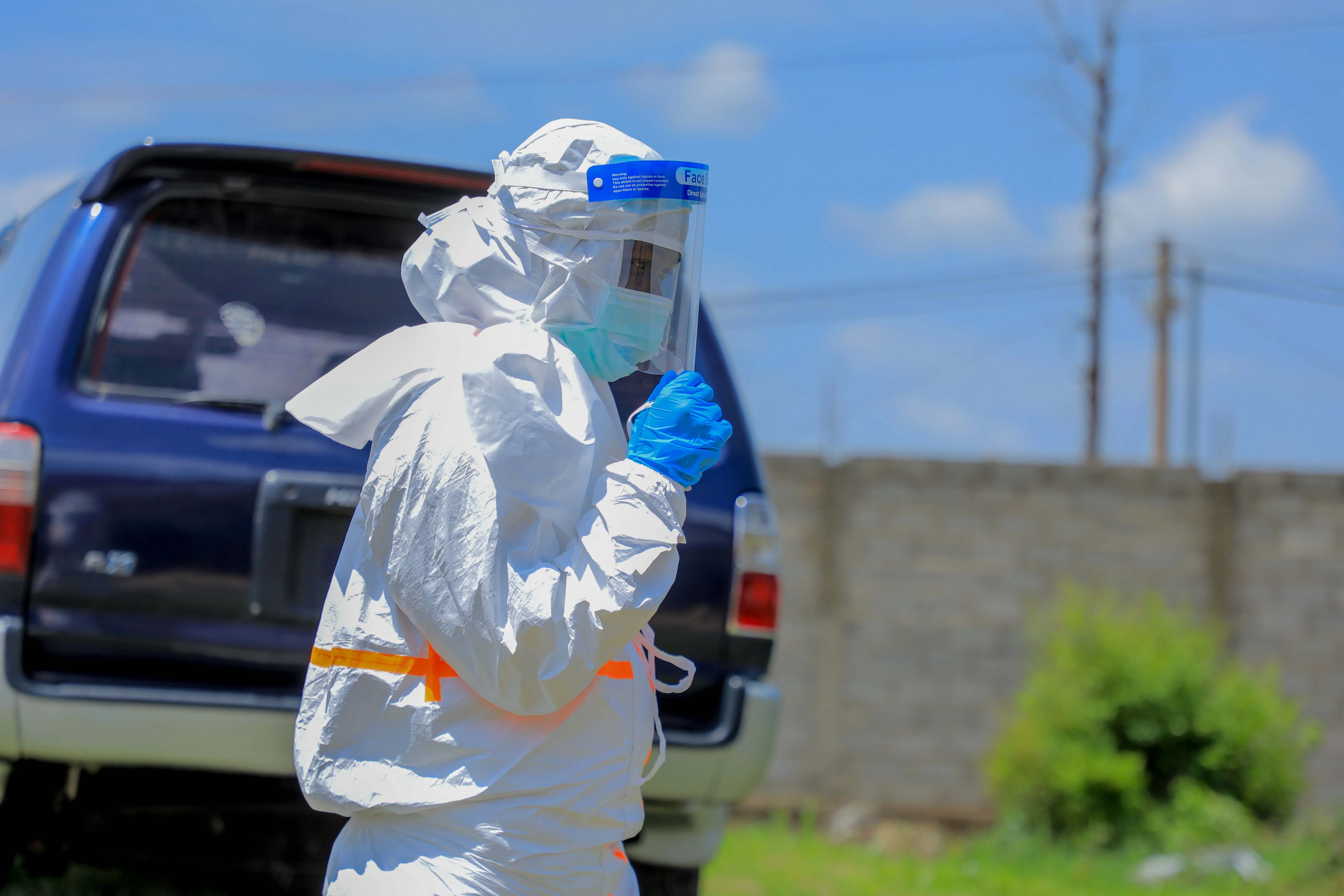
Snow’s breakthrough laid the foundations for today’s sophisticated worldwide networks of disease surveillance and reporting. They track and trace disease outbreaks, such as measles, rubella, polio and influenza, as well as emerging infections - the most famous example in recent years, of course, being the COVID-19 pandemic. The information exchange enabled by the surveillance network is essential for us to be able to monitor threats and vitally, this World Immunization Week, for health authorities to know where to strengthen vaccination efforts.
While England saw its last indigenous cholera case in 1893, it is still a major public health threat in more than 40 countries. Other infectious disease pathogens such as measles, rubella and influenza spread largely via respiratory droplets. All three are highly infectious and can be serious in their health consequences.
During a 2023 measles outbreak in Romania for example, tight surveillance was key to mapping occurrences, laying the foundation for emergency vaccination catch-up campaigns and test and trace measures to control the outbreak successfully.
Vaccination catch-ups
In 2024/25, South Africa was able to rapidly scale up its rubella vaccination activities based on nationwide availability of rubella testing and the identification of gaps in immunity in the population during a large outbreak.
Today measles outbreaks are on the rise as vaccination numbers drop. The reasons behind this trend are complex and include a rise in vaccine hesitancy as well as health service weaknesses. But the occurrence of local outbreaks is not only of concern for the countries affected. International travel means those carrying the pathogen may travel to countries near and far, thereby carrying the infectious pathogen and resulting in cross-border outbreaks with clear genomic links to the country of origin. The 2013/14 measles outbreak in the Philippines led to outbreaks in the US and Canada, and likely various other countries, all genetically linked to the Philippines outbreak.
These examples illustrate the importance of disease surveillance to curb outbreaks. Furthermore, they are evidence of just how critical it is to share information globally to trace transmission routes and understand epidemiological dynamics of pathogen spread.
Information not only needs to be shared rapidly but in a systematic manner, which is why the World Health Organization has established and oversees global infectious diseases surveillance networks, such as the Global Measles and Rubella Laboratory Network (GMRLN). This network consists of more than 770 laboratories worldwide to test, record and report occurrences of infections, with seamless data sharing across countries’ public health institutions. This allows rigorous monitoring of the state of global measles and rubella cases, and the network has operated successfully for more than 20 years.
Measles threat ever present
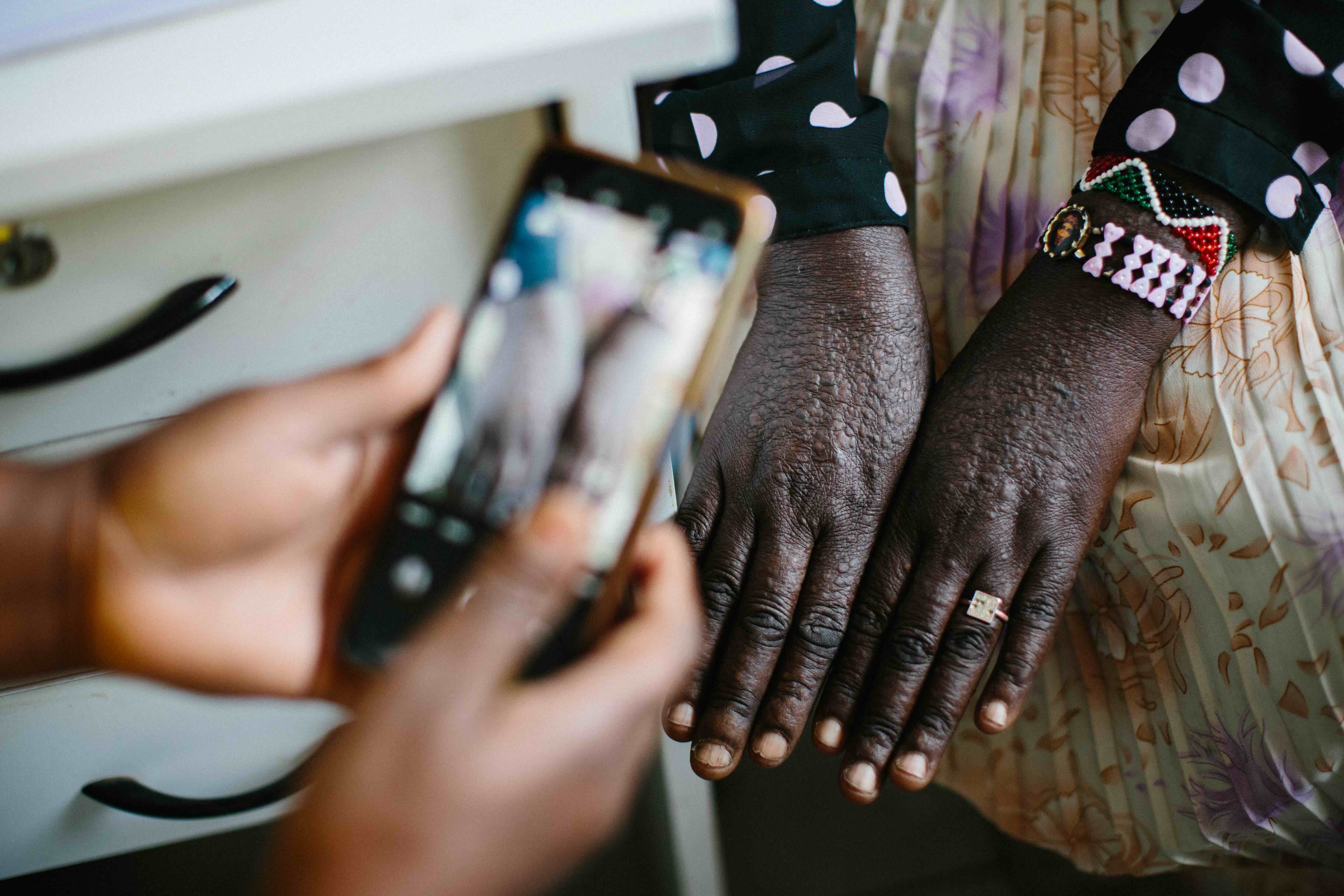
While many countries have successfully reached measles elimination status or maintained low levels of transmissions for many years, this is not a gain that can be maintained without continued surveillance. The virus can resurge any time, as seen in the current large-scale measles outbreak in Bangladesh – a country that reported around 300 cases per year for the last five years-has reported more than 100 suspected deaths, mainly of children, and thousands of cases in a matter of weeks. The UK, the country in which John Snow pioneered the scientific discipline of epidemiology, recently lost its measles elimination status due to a dip in vaccination rates and a surge of outbreaks.
Surveillance and vaccinations are two links in the chain of disease protection that is only as strong as each of its parts. WHO’s work to keep this system strong through networks like the Global Measles and Rubella Network is vital. We need to support its success.
The WHO Foundation plays a critical role in supporting WHO's disease surveillance oversight by mobilizing resources to support the Global Measles and Rubella Laboratory Network, ensuring laboratories worldwide can continue to detect, track, and respond to outbreaks.