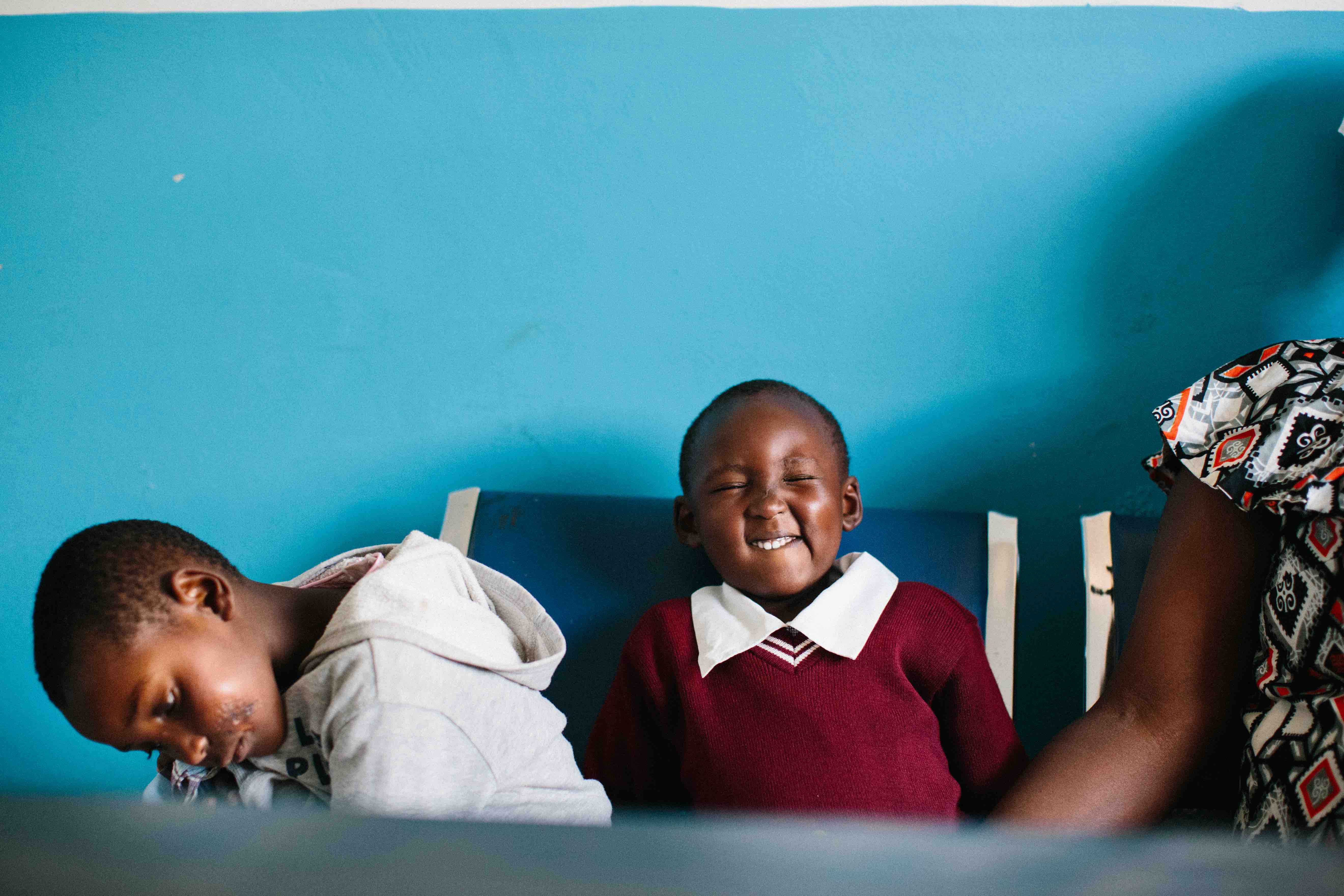
The WHO Foundation is supporting WHO in its efforts to eliminate neglected diseases that affect more than a billion people worldwide.
What is a neglected tropical disease?
It’s a term that encompasses more than 20 different diseases. The umbrella term neglected tropical disease (NTD) was adopted by WHO just over 20 years ago.
Some, such as leprosy, rabies and scabies are well-known. Others, such as Dengue and Zika virus disease have had large outbreaks that created headlines in recent years. Many are little-known outside of health circles, including those caused by parasitic worms such as soil-transmitted helminth infections, such as hookworm, as well as conditions that affect the skin such as Cutaneous leishmaniasis and Onchocerciasis (River Blindness). Together, they affect more than 1.4 billion people worldwide.
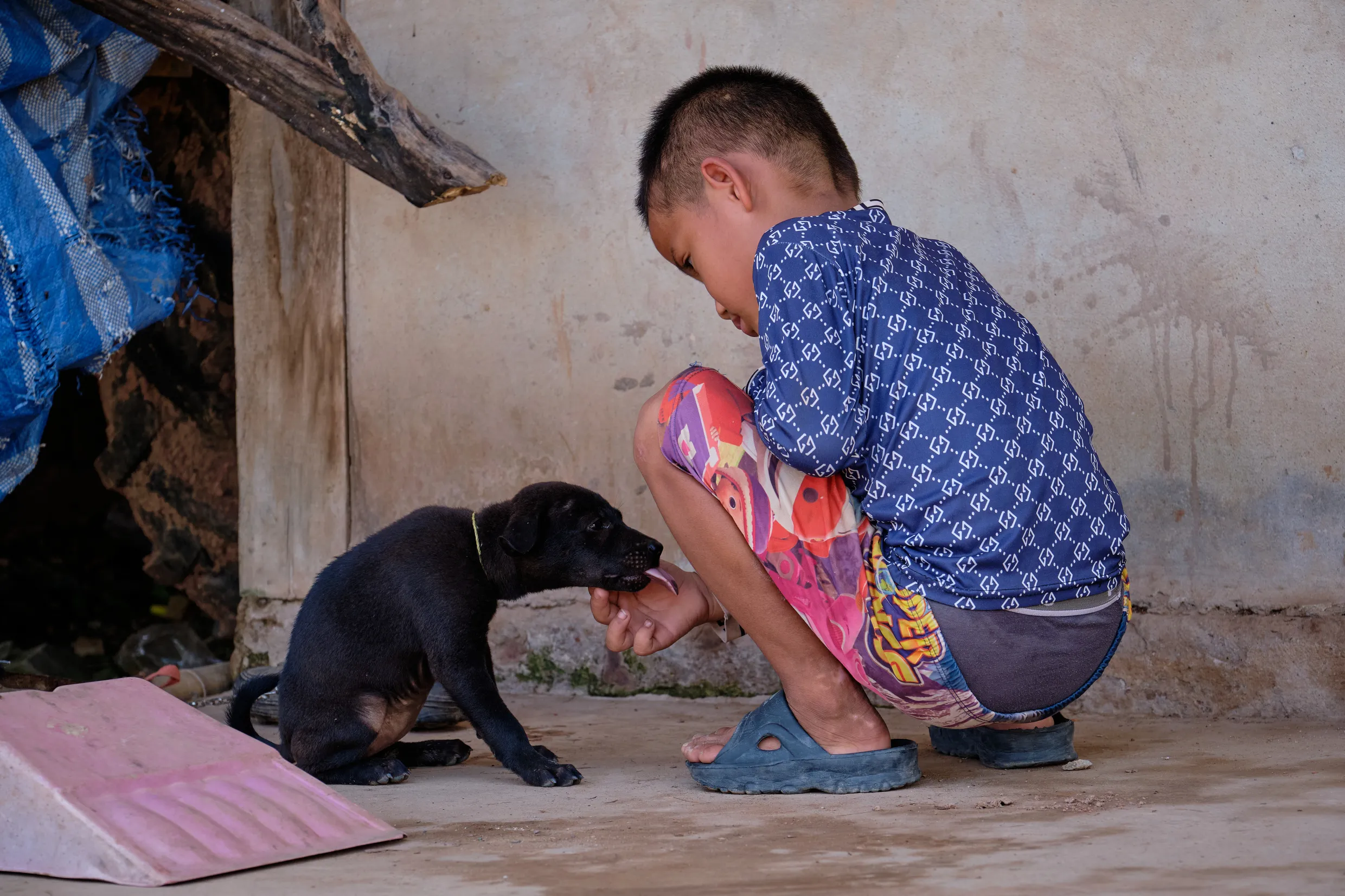
More than 100,000 people are thought to die of NTDs a year, though some believe this is an underestimate. Around 44,000 of these die from Rabies, many of whom are children. These deaths are, sadly, avoidable because NTDs are usually preventable or treatable.
Why are they ‘neglected’?
WHO says these diseases are overlooked by global funding agencies and affect “neglected populations,” often living in hard to access, rural areas. These diseases also increase the likelihood of poverty because they affect people’s ability to work and go to school. This cycle of ill health and marginalization is a barrier to both opportunity and well-being, and underscores the urgent need to tackle NTDs in neglected populations.
What role does WHO play in tackling them?
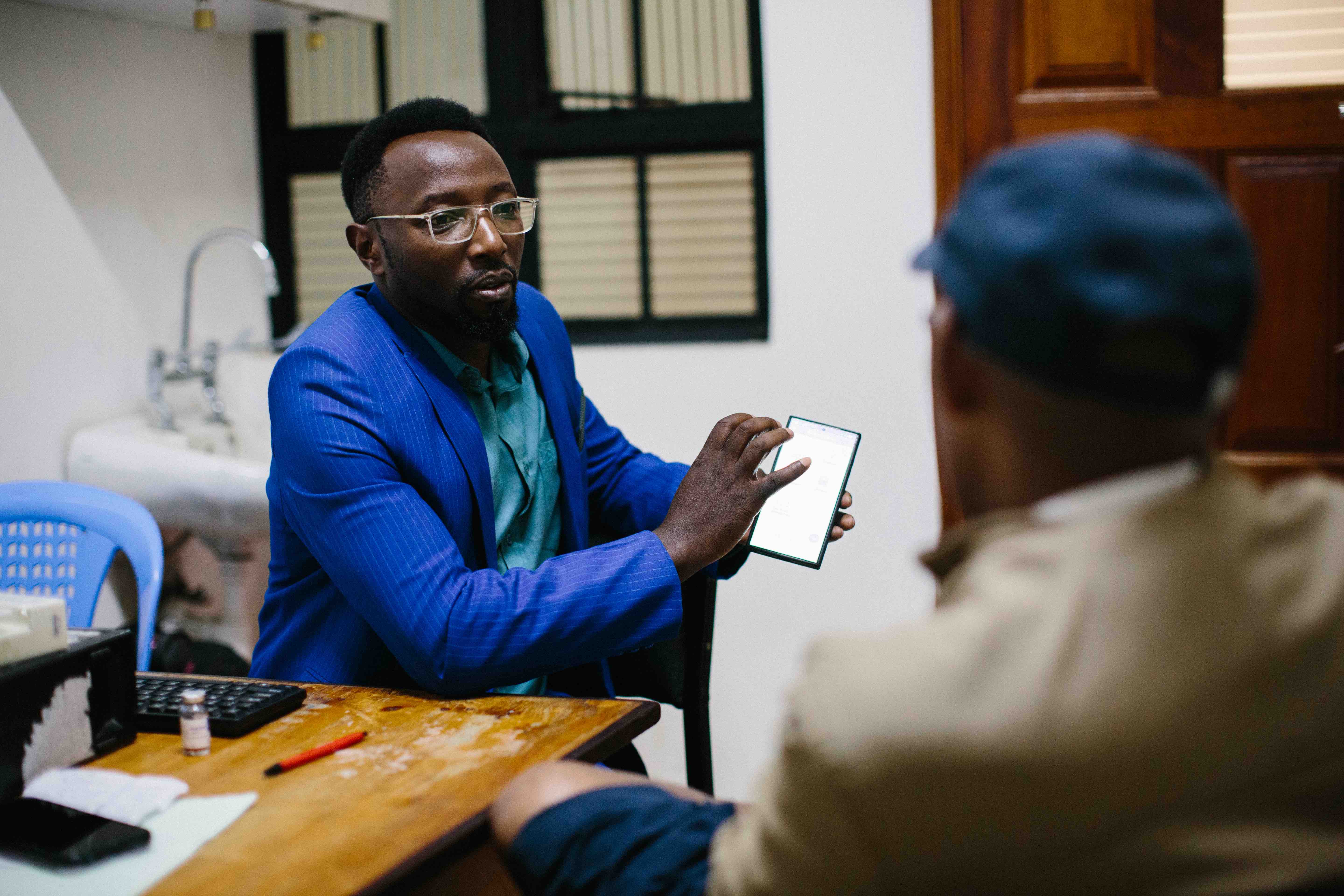
WHO plays a central coordinating role in the global fight against NTDs, setting targets for their elimination, defined as zero incidence in a country with a risk of recurrence and for eradication, defined as zero incidence globally with no risk of recurrence. Beyond setting targets, WHO guides diagnostics, prevention and treatment, including the introduction of innovative tools such as the Skin NTD mobile phone app which aims to speed up diagnosis of a range of skin conditions.
WHO also provides expert input to ministries of health, convenes international expertise, trains healthcare workers, manages medical donations for prevention and treatment, and leads efforts to understand the long-term effects of these diseases on patients. This sustained, system-wide approach is essential to lasting progress.
How much progress has been made?
In several areas, progress has been strong and measurable. Today, an estimated 1.5 billion people need drugs to prevent or treat an NTD, down from 2 billion people in 2005. Fifty-eight countries have eliminated at least one NTD.
Cases of leprosy have declined dramatically, from more than 5 million a year in the mid-1980s to just over 170,000 cases across 133 countries in 2024, thanks in large part to the availability of WHO-recommended multidrug therapy. These gains demonstrate what is possible with long-term collaboration and commitment.
But challenges remain. Climate change is driving up incidences of mosquito-borne diseases, and even where treatment is available, disability and stigma continue to impose lasting harm.
“One of the most stubborn challenges that I encounter … is the social stigma attached to leprosy, which can be more problematic than the disease itself, and which can persist beyond the end of treatment.”
Yohei Sasakawa, WHO Goodwill Ambassador for Leprosy Elimination
Does the private sector and philanthropy play a role?
Yes, a significant one, including through the donation of medicines. Currently 19 different medical treatments donated by 12 manufacturers support global NTD programmes. In 2024 alone, 1.8 billion medicines for NTDs were donated and delivered for treatments, of which nearly one billion were managed by WHO and made available to countries free of charge.
Progress against NTDs shows the impact of such sustained, coordinated action.
The WHO Foundation is grateful to be able to support WHO in its efforts to eliminate NTDs through its collaborations with L’Oréal Groupe to increase awareness of, and combat common skin diseases, including skin NTDs through its Dermatological Beauty division, and with Bayer, which is supporting global efforts to eliminate Chagas disease, Human African Trypanosomiasis and Taeniasis, diseases that still affect more than 1 billion people worldwide.
It’s clear that neglected tropical diseases persist where health systems are weakest. Eliminating them reduces disability, prevents avoidable suffering and improves people’s life chances.
Learn more about WHO's work to eliminate NTDs worldwide.