Martin Luginbuhl heads development for key markets in the EU and APAC at the WHO Foundation. With a background in sponsorship and brand activation, he pivoted to working in global health after a stint at the Harvard Kennedy School of Government.
What does your current role involve?
I focus on relationships with our partners and donors, whether they are corporations, foundations, philanthropists/high-net-worth individuals or family offices. We have strong roots in international Geneva and Switzerland is an important donor location for us. But we also look beyond that of course. One of the key relationships that I manage for instance is the one with the L’Oréal Group - with teams in Paris, and New York. We are continually expanding our outreach.
What do you love most about your job?
I love it when we see and feel the impact of improved health. I have seen, for example, how the beneficiaries of WHO’s Special Initiative for Mental Health can thrive because they now have access to mental health services in their communities.
Through the Foundation’s partnership with Maybelline New York, WHO is able to reach more than two million more people and provide them with access to mental health services. For each dollar invested in this initiative, at least two people will benefit from access, which we think is an immensely powerful way of quantifying our impact. Maybelline New York is supporting the WHO initiative because it aligns with their own mental health work. This is a true showcase of complementary partnership.
You realize the massive potential of an organization like the WHO Foundation in getting resources into global health.
Learn how partnerships help support WHO’s work.
How did this unlikely partnership come about?
The Chief HR Officer at L’Oréal in Paris recommended his colleagues at Maybelline New York. The brand is a first mover in the mental health space in several ways. They have had their own social impact program for at least five years, Brave Together, which focuses on youth, mental health, and they have done it successfully with more than 45 NGOs in 35 countries.
What they had not yet done was to elevate mental health at the systems level, more upstream than downstream, if you will. By supporting WHO’s mental health work through the Foundation, they have been able to do this. They are the first beauty company to team up with an entity like the WHO Foundation. We have seen them inspiring others and we need to keep building on this role-modeling aspect.
In what ways can private donors have an impact on areas that affect our health but are not typical medical treatments?
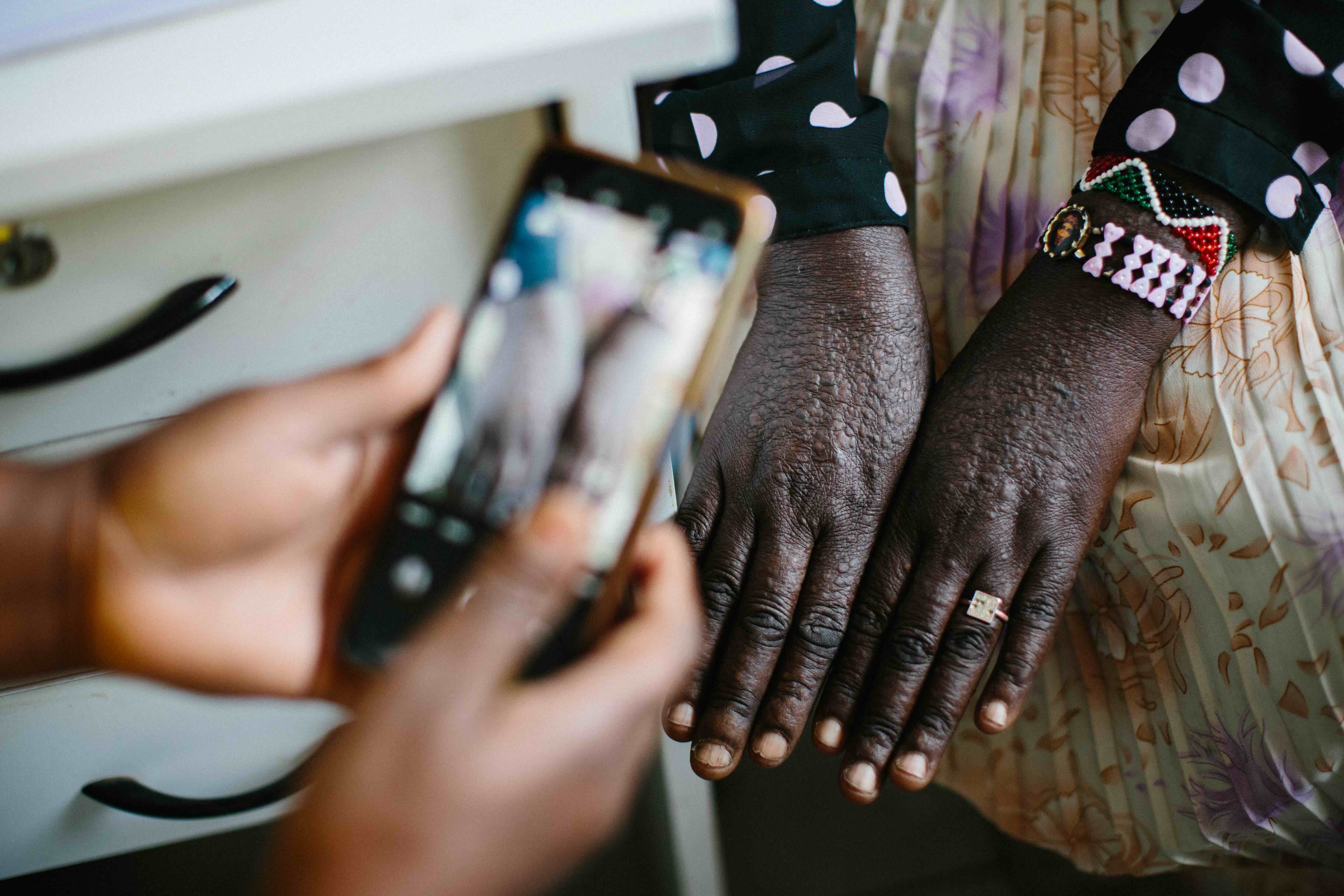
Our partnership with L’Oréal Dermatological Beauty in the “L’Oreal Act for Dermatology” program is an interesting example of this. The core objective is to enhance access to skin health diagnosis and treatment, education and awareness, especially in the light of climate change exacerbating skin conditions globally. This program is about widening people's access to diagnosis and treatment benefiting from the research capacity and expertise of a leader in the dermatological industry with a decades-long record of accomplishment.
What do you consider to be good health in your life?
A healthy way of living comes down to the people you spend time with – the human relationships around you, being close to the people you love and want to be with. If you don’t have basic health care and you are not healthy yourself, you are not going to be able to do this. This is why we need to work even harder to enable health equity for all. Nutrition, sleep, exercising, and being able to get your health checked, should not be a luxury.
In what ways can creative industries such as beauty, art and the media help spearhead systematic change in perceptions about mental health?
I am a true believer that storytelling can shape perspectives, and we have seen this in multiple fields, and global health is no exception. Beyond this, the firepower that a brand like Maybelline New York brings to the table through their marketing expertise and reach should not be underestimated. They have millions of social media followers and are influencers in the beauty space, so imagine the power of combining the impact and the science of WHO with co-creation of storytelling and distribution through those channels.
One of our next milestones is the launch of a portrait series with a focus on people whose lives have been touched by the WHO Special Initiative for Mental Health – whether it is a health worker or end user in around ten countries and showing their stories, and how the access to mental health services has helped them and moved them along their journey to tackle mental health. We are hopeful it can further elevate the work of WHO and bring more funding and resources for advocacy to the table.