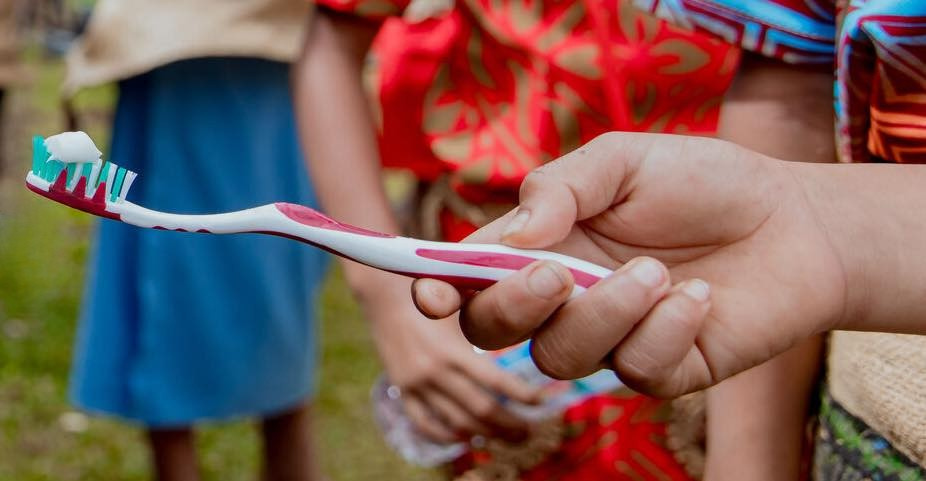
We know it's important to brush our teeth, floss and visit the dentist regularly to prevent dental and gum decay. Less well-known is the connection between oral health and other non-communicable diseases, such as diabetes, heart disease and strokes.
So what are they?
- Shared risk factors, which means the same things that contribute to diabetes, heart disease and strokes (tobacco, alcohol, unhealthy diets) also raise the risk of dental decay and gum disease.
- Gum disease can increase the risk of other diseases and is associated with increased risk of heart disease, atherosclerosis, and stroke. Bacteria from our mouths can contribute to pneumonia if it is breathed into the lungs - older people are particularly susceptible. And if diabetes is not well-controlled, it raises the risk of gum disease and it appears that gum disease can make diabetes harder to manage.
- Oral diseases can cause speech problems, difficulty eating and tooth loss which can make people feel ashamed, attract stigma and affect their quality of life.
What’s the scale of the problem?
More than 3 billion people are affected by oral diseases, and the burden is growing, particularly in low- and middle-income countries. But there aren’t enough dental services for everyone. An estimated 8 out of 10 dentists worldwide work in high and upper-middle income countries, meaning that access to dentists is out of reach for most of the global population. People in these countries will most benefit if oral health is included in overall health planning.
What’s WHO doing about it?
WHO’s vision is universal health coverage for oral health. This means that basic oral care should be available to everyone, everywhere, as part of a country's standard health system, not only available through private dentistry. That’s also why oral health was included in the UN’s political declaration on NCDs.
WHO's Global Oral Health Action Plan 2023–2030 is an ambitious commitment to improve peoples’ oral health. It calls for a move away from a purely treatment-focused model towards prevention. This includes promotion of oral health within families, schools and workplaces, and includes timely, comprehensive and inclusive care (such as reducing sugar, access to fluoride) within the primary health care system, delivered by nurses and other health workers, not only dentists.
How is the WHO Foundation helping?
We support WHO’s Global Oral Health Action Plan through mobilizing resources, including a three-year-collaboration with Colgate-Palmolive, as well as advocating for oral health to be included in standard health systems through events and awareness-raising.